
Why SERP Volatility Is the New Normal
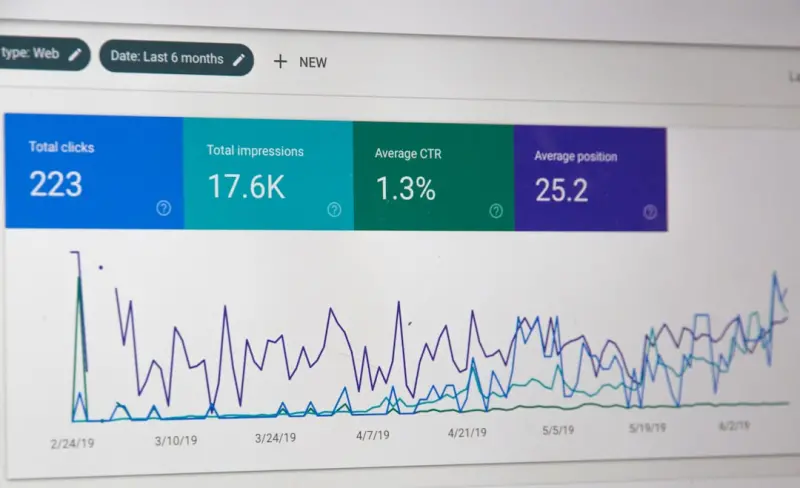
Every time I pull up a query on my desktop, I’m reminded that the search results page is no longer a static billboard—it’s a living, breathing organism that shifts with every algorithm tweak, user‑level personalization, and emerging feature rollout. Rankings can tumble or soar within hours, and the old notion of “set it and forget it” is dead; you now need a continuous monitoring mindset, akin to a trader watching market ticks. The implication for marketers is profound: you must build resilience into your SEO strategy, treating each position as a dynamic asset rather than a permanent foothold.
Mapping the Personalization Landscape
Google’s personalization engine now blends location, browsing history, device type, and even time of day to craft a bespoke SERP for each user, meaning the same keyword can yield wildly different results across the same day. Understanding this mosaic requires a layered approach—start with aggregate data to spot macro‑trends, then drill down into segmented cohorts to see how search intent signals differ by audience. By mapping these slices, you can anticipate where your content will appear, whether in the traditional list, a knowledge panel, or a “People also ask” box, and adjust your messaging accordingly.
Geography Meets Context
Geolocation isn’t just about language; it also influences the types of SERP features that surface. For example, a user searching for “best coffee beans” in a major metropolitan area might see a local pack, while the same query from a rural region could pull up a shopping carousel or a video snippet. Recognizing these nuances lets you tailor schema markup and local landing pages to capture the specific format that your target segment is most likely to encounter.
Strategic Signals Beyond the Rank
When you can’t rely on a single position, the next best thing is to dominate the entire SERP real estate. This means targeting “zero‑click” opportunities such as featured snippets, carousel cards, and even the new interactive answer modules that Google is rolling out. By structuring content to answer concise questions, embedding high‑quality images, and leveraging structured data, you increase the odds of claiming these premium spots, which often command higher click‑through rates than traditional organic listings.
Leveraging Visual SERP Features
Images and videos have moved from the periphery to the forefront of search, and their presence can dramatically boost engagement. A well‑optimized image carousel or a short, captioned video can appear right beneath the title, pulling users deeper into your brand narrative before they even scroll. For a deeper dive on visual tactics, see the guide on visual SERP features, which illustrates how visual assets now compete head‑to‑head with textual snippets.
Testing and Adapting in a Shifting SERP
Because volatility is baked into the modern SERP, a rigorous testing framework becomes non‑negotiable. Set up controlled experiments where you alter title tags, meta descriptions, and schema markup in incremental steps, then monitor not just rankings but also impression share and click‑through metrics across different device types. Over time, you’ll build a data‑driven playbook that tells you which levers move the needle under specific personalization conditions.
Automation Meets Human Insight
Automation tools can flag sudden drops or spikes, but the real insight comes from a human analyst interpreting why those changes occurred—perhaps a new competitor entered the space, or Google introduced a fresh feature like the “shopping carousel” for a niche query. Pairing algorithmic alerts with manual review ensures you respond with the right blend of content tweaks and strategic pivots, keeping your visibility steady even as the SERP landscape evolves.
Future‑Proofing Your SEO Investment
The only constant in search is change, and the smartest marketers treat their SEO portfolio like a diversified fund, spreading risk across multiple SERP formats, content types, and user intent buckets. By continuously auditing performance, embracing emerging features, and aligning content with the personalized signals that drive each user’s experience, you turn volatility from a threat into a competitive advantage. In the end, the goal isn’t just to rank—it’s to stay visible, relevant, and compelling wherever Google decides to surface your brand.

Craig Brett is a freelancer with a passion for the outdoors. His love for nature inspires his work, bringing authentic and engaging perspectives to projects related to outdoor activities, adventure, and environmental topics.
Related Posts

When SERP Clutter Becomes a Trust Issue: A Clean‑Up Playbook
SERP overload is hurting user trust and brand visibility. Learn a clean‑up playbook that uses stru... Read More

Empathy’s Role in Shaping Modern SERPs
Explore why search engines now reward empathetic content, how to integrate compassion into technical... Read More

Why Personalization Is No Longer a Nice‑to‑Have
When you stare at a Google search results page today, you’re not looking at a static list of ten b... Read More
Top Posts

Mastering the Zero‑Click SERP: Turning Visibility into Value
Explore the rise of zero‑click searches, learn strategies to capture featured snippets and AI answers, and measure impact without traditional click‑through ...Read More

The Evolution of Technical SEO: Navigating the Ever-Changing Landscape
The world of technical SEO is constantly evolving. Learn how to navigate the ever-changing landscape and optimize your website for better online visibility with...Read More

Mining the Help Desk: Turning Support Tickets into SEO Gold for SaaS
Support tickets hold authentic user language that, when structured into FAQs, guides, and data‑driven posts, become powerful SEO assets—boosting rankings, t...Read More

Micro‑Communities Are Redefining Social Media Influence
Discover why brands must shift focus from mass reach to micro‑communities, leveraging platform tools, authentic content, and new metrics to drive lasting infl...Read More
0 Comments
Post Comment
You will need to Login or Register to comment on this post!