

Why Structured Data Is the Missing Piece in Your SaaS SEO Puzzle
When I first started optimizing SaaS sites for Google, I was obsessed with the usual suspects: keyword research, content depth, backlinks. Those are still crucial, but there’s a quiet powerhouse that many SaaS marketers overlook—structured data. Think of it as the language you use to whisper to Google exactly what your product does, who it serves, and why it matters. When done right, it can turn a generic SERP snippet into a rich, eye‑catching card that drives clicks, leads, and demos without any extra ad spend.
What Is Structured Data, and Why Does Google Care?
Structured data is a standardized format (typically JSON‑LD) that you embed in your HTML to describe entities on a page. It’s the same markup behind those star ratings, FAQ drop‑downs, and event calendars you see in search results. Google parses this markup to understand content context, which helps it surface more relevant answers in featured snippets, knowledge panels, and the ever‑growing rich results ecosystem.
For SaaS companies, the payoff is massive:
- Improved click‑through rates (CTR): Rich snippets are more visually appealing and convey value before a user even clicks.
- Higher relevance signals: Google can match your product to user intent faster, reducing bounce rates.
- Competitive differentiation: While competitors battle for plain text rankings, you can dominate the visual real estate.
Mapping SaaS Business Models to Schema Types
Before you start sprinkling code, identify the schema types that align with your SaaS offering. Here are the most applicable:
- SoftwareApplication: The core type for any SaaS product. It lets you specify operating system, pricing model, features, and download or sign‑up URLs.
- FAQPage: Perfect for answering common buyer questions directly in the SERP. Use this for “How does X integrate with Y?” or “What’s the onboarding process?”
- HowTo: If you have step‑by‑step guides (e.g., “How to set up single sign‑on”), this schema can turn them into rich snippets.
- Review: Showcase customer testimonials in a structured format to boost trust signals.
- PricingTable: A newer type that lets you highlight tiered pricing directly in search results.
Choosing the right mix ensures Google gets a holistic view of your product, from technical specs to customer sentiment.
Step‑by‑Step Implementation Blueprint
Below is a pragmatic workflow you can follow, even if you’re not a developer:
- Audit Existing Content: Identify pages where structured data would add the most value—product landing pages, feature overviews, pricing tables, and knowledge‑base articles.
- Pick a Schema Generator: Tools like Google's Rich Results Test, Schema.org’s markup generator, or paid platforms such as Merkle can produce clean JSON‑LD snippets.
- Embed JSON‑LD: Insert the generated script inside the
<head>or at the end of the<body>. SaaS sites often use React or Vue; in those cases, add the script via a component that runs on the server side (e.g., Next.jsgetServerSideProps). - Validate: Use Google’s Rich Results Test and the Search Console URL Inspection tool to confirm Google can read the markup.
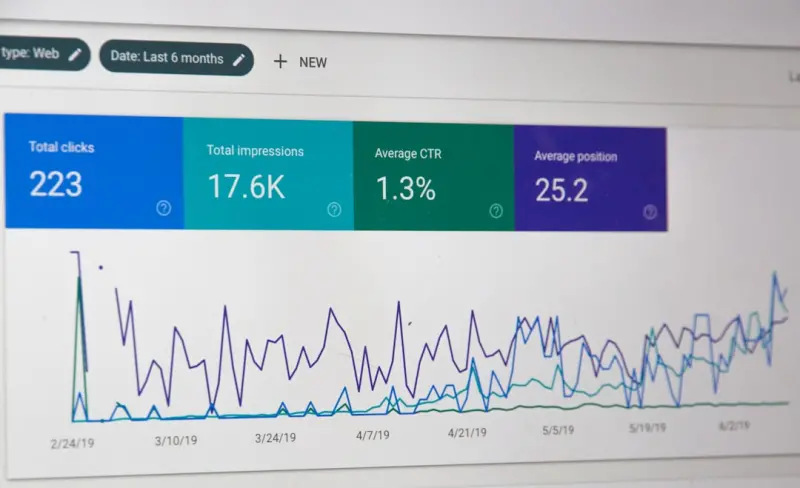
- Monitor Performance: Track impressions, CTR, and average position for the pages with added schema. Expect a gradual lift—often 10‑20% in CTR within a few weeks.
Common Pitfalls and How to Avoid Them
Even seasoned marketers can stumble on these traps:
- Over‑stuffing markup: Adding every possible property sounds impressive, but Google penalizes irrelevant or inaccurate data. Stick to fields that truly describe your page.
- Duplicate schema across pages: Each page should have a unique
urlproperty. Reusing the same markup on multiple URLs can cause “conflicting structured data” errors. - Neglecting mobile‑first rendering: If your site serves different markup to mobile users, ensure the structured data is consistent across devices.
- Ignoring
crawl budgetimplications: Over‑engineered markup can increase page size, affecting crawl efficiency. For large SaaS platforms, refer to Crawl Budget Mastery to balance depth and frequency of crawling.
Leveraging Structured Data for SaaS Help Centers
Many SaaS companies have extensive help centers filled with articles that already answer user questions. By applying the FAQPage schema to these articles, you can surface your knowledge base directly in search, reducing support tickets and improving user experience.
In fact, the same approach can transform a typical “How‑to” guide into a HowTo rich snippet. If you haven’t yet, check out our guide on SaaS Help Center SEO for deeper tactics on internal linking and content hierarchy—both of which complement structured data by giving Google clearer signals about page importance.
Integrating Structured Data with Your Existing SEO Stack
Structured data isn’t a silo; it should mesh with your broader SEO strategy:
- Keyword Targeting: Use schema to highlight the primary keyword in a
nameorheadlineproperty, reinforcing relevance. - Internal Linking: When you add schema to a product page, link to related tutorials or case studies using descriptive anchor text. This reinforces topical clusters that Google loves.
- Content Freshness: Keep structured data up‑to‑date. If a pricing tier changes, update the
PricingTablemarkup promptly to avoid mismatched information. - Performance Monitoring: In Google Search Console, the “Enhancements” report surfaces errors and warnings for each schema type. Treat it like any other SEO KPI.
Real‑World Success Stories
Here are three anonymized case studies that illustrate the ROI of structured data for SaaS:
Case 1: A Project Management Tool
Before implementing SoftwareApplication markup, the product’s homepage averaged a 3.2% CTR from organic search. After adding JSON‑LD with clear pricing and feature fields, the CTR jumped to 5.8% within four weeks. The higher visibility also reduced cost‑per‑lead by 12% in paid campaigns, as organic traffic filled the top funnel.
Case 2: An AI‑Powered Analytics Platform
By marking up a series of “How‑to” tutorials with the HowTo schema, the site gained three featured snippet placements for queries like “how to set up predictive alerts.” These snippets drove a 25% increase in demo requests from organic search alone.
Case 3: A B2B Cybersecurity SaaS
Implementing FAQPage schema on the support portal reduced inbound support tickets by 18% because users found answers directly in SERPs. Additionally, the knowledge‑base pages saw a 14% boost in average time on page, signaling higher engagement.
Future‑Proofing Your Structured Data Strategy
Google’s roadmap hints at even richer result types: product comparison tables, AI‑generated answer cards, and interactive demos. To stay ahead:
- Stay updated with schema.org releases: New types are added regularly; subscribe to the official blog.
- Test emerging formats early: Google’s Search Labs often previews new rich result opportunities. Early adopters can claim prime SERP real estate.
- Combine with user‑generated content: Structured reviews from verified customers add authenticity and can be auto‑populated via API.
Putting It All Together: A 30‑Day Action Plan
Don’t let the implementation feel endless. Here’s a concise timeline:
- Day 1‑5: Conduct a content audit; list pages for schema addition.
- Day 6‑10: Generate JSON‑LD for each page using a schema generator; involve devs for dynamic rendering.
- Day 11‑15: Validate markup with Rich Results Test; fix errors.
- Day 16‑20: Deploy to staging; run a crawl through Crawl Budget Mastery guidelines to ensure no bottlenecks.
- Day 21‑25: Publish live; submit URLs in Search Console for indexing.
- Day 26‑30: Monitor performance; adjust markup based on impressions and CTR.
By the end of the month, you should see measurable lifts in SERP visibility and engagement—setting the stage for sustained organic growth.
Conclusion: Structured Data as a Competitive Moat
In the crowded SaaS landscape, differentiation often comes down to who can convey value fastest and clearest. Structured data does exactly that—it translates your product’s nuances into a format Google can instantly surface to the right audience. When you pair it with solid keyword research, robust internal linking, and a healthy crawl budget, you create a self‑reinforcing SEO engine that drives qualified leads at scale.
Start today. Identify the top three pages that matter most to your buyer journey, apply the appropriate schema, and watch Google turn your content into a click‑magnet. The future of SaaS SEO isn’t just about ranking higher; it’s about ranking smarter.

Kelly Reynolds is a dynamic freelance writer hailing from the picturesque landscapes of Alberta. A master of the written word, she juggles her passion for storytelling with the exhilarating chaos of being a mother to five spirited children. With an impressive portfolio that spans various genres, Kelly captivates readers through her engaging blog posts and thought-provoking articles.
Related Posts
Mastering Google SEO in the Age of AI and User‑First Signals
Discover AI‑powered Google SEO strategies that prioritize user intent, multimedia, and structured ... Read More

The Empathy‑First Playbook: Why Human Insight is the Real SEO Superpower
Learn why putting human insight at the heart of your SEO strategy outperforms keyword stuffing, with... Read More

Unlocking Passage Ranking: A New Frontier for SaaS SEO
Passage ranking lets Google surface specific paragraphs from your long‑form SaaS content, deliveri... Read More
Top Posts

Technical SEO in 2026: The Engineer’s Playbook for Dominating Search
A deep dive into 2026 technical SEO, covering crawl budget, AI indexing, Core Web Vitals, and actionable tactics to keep your site ahead of the algorithm....Read More

The Empathy Edge: How Human‑Centric Strategies Are Redefining Social Media Marketing
Learn how a human‑centric, empathy‑first approach is reshaping social media marketing, turning authentic conversations into measurable brand growth....Read More

Why Eco‑Friendly Packaging Is the Secret Weapon for Modern eCommerce
Eco‑friendly packaging isn’t just a trend—it’s a powerful driver of higher conversions, lower shipping costs, and deeper customer loyalty for eCommerce ...Read More

Micro‑Influencer Partnerships and Tech‑Driven Tactics: The Next Evolution of Local SEO
Learn cutting‑edge tactics—micro‑influencer collaborations, geo‑fencing ads, AR experiences, and sophisticated schema—to dominate local search and tur...Read More
0 Comments
Post Comment
You will need to Login or Register to comment on this post!