

Google SERPs Optimization: A Comprehensive Guide
Google's Search Engine Results Pages (SERPs) are the gateway to online visibility, and optimizing your content for them is crucial for any digital marketing strategy. With millions of searches conducted every day, understanding how to rank higher on Google's SERPs can make all the difference in driving traffic, generating leads, and increasing conversions. In this article, we'll explore the ins and outs of Google SERPs optimization, providing actionable tips and best practices to help you improve your online visibility.
Understanding Google SERPs
Before diving into optimization strategies, it's essential to understand how Google's SERPs work. A SERP is the page that Google displays in response to a user's search query, featuring a list of relevant results, including web pages, images, videos, and more. The goal of Google's algorithm is to provide users with the most relevant and useful results, ranking them based on factors like relevance, authority, and user experience. To optimize your content for Google SERPs, you need to understand how these factors influence your ranking.
Keyword Research and Optimization
Keyword research is a critical component of Google SERPs optimization. By identifying the most relevant and high-traffic keywords related to your business, you can create content that resonates with your target audience and ranks higher on Google. Use tools like Google Keyword Planner, Ahrefs, or SEMrush to find the best keywords for your content. Once you've identified your target keywords, incorporate them naturally into your content, including your page title, meta description, headings, and body copy. However, avoid keyword stuffing, as it can lead to penalties and decreased rankings.
On-Page Optimization Techniques
On-page optimization involves optimizing individual web pages to rank higher on Google's SERPs. This includes:
- Optimizing page titles and meta descriptions to entice users and improve click-through rates
- Using header tags (H1, H2, H3, etc.) to structure and organize content
- Incorporating target keywords naturally into content
- Optimizing images by adding alt tags and descriptive text
- Improving page speed and mobile responsiveness
By implementing these on-page optimization techniques, you can improve your content's relevance and usability, increasing its chances of ranking higher on Google's SERPs. For more information on on-page optimization, check out our guide on Understanding SERPs and How to Optimize Your Content.
Content Quality and Relevance
Content quality and relevance are crucial factors in Google's ranking algorithm. High-quality, engaging, and informative content is more likely to rank higher on Google's SERPs, as it provides users with the information they're looking for. To create high-quality content, focus on:
- Providing unique insights and perspectives
- Using a clear and concise writing style
- Incorporating visual elements like images and videos
- Keeping content up-to-date and fresh
By prioritizing content quality and relevance, you can increase your content's authority and trustworthiness, improving its chances of ranking higher on Google's SERPs.
Technical SEO and Link Building
Technical SEO and link building are critical components of Google SERPs optimization. Technical SEO involves optimizing your website's technical infrastructure to improve crawlability, indexability, and user experience. This includes:
- Optimizing website architecture and internal linking
- Improving page speed and mobile responsiveness
- Implementing schema markup and structured data
Link building involves acquiring high-quality backlinks from authoritative sources to increase your website's authority and trustworthiness. Focus on acquiring links from relevant and trustworthy sources, and avoid link schemes and spammy links that can lead to penalties.
Local SEO and Google My Business
For businesses with a physical presence, local SEO and Google My Business optimization are crucial for improving online visibility. By optimizing your Google My Business listing and incorporating local keywords into your content, you can increase your chances of ranking higher on Google's local SERPs. This includes:
- Claiming and optimizing your Google My Business listing
- Incorporating local keywords into content
- Building high-quality local citations
By prioritizing local SEO and Google My Business optimization, you can improve your online visibility and drive more traffic to your physical location.
Tracking and Measuring Performance
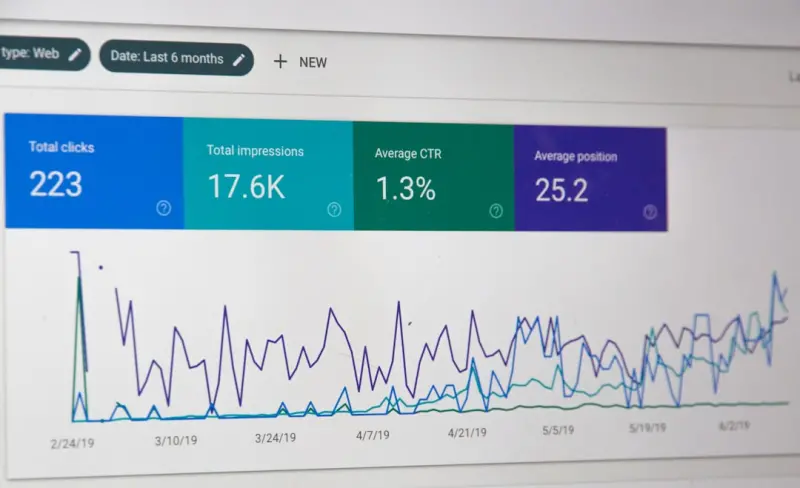
Finally, it's essential to track and measure your performance on Google's SERPs. Use tools like Google Analytics and Google Search Console to monitor your website's traffic, rankings, and conversions. By tracking your performance, you can identify areas for improvement and adjust your optimization strategies accordingly. For more information on tracking and measuring performance, check out our guide on Mastering SERPs for Increased Online Visibility.
In conclusion, Google SERPs optimization is a complex and ongoing process that requires a deep understanding of Google's algorithm and ranking factors. By prioritizing keyword research, on-page optimization, content quality, technical SEO, link building, local SEO, and tracking and measuring performance, you can improve your online visibility and drive more traffic, leads, and conversions. Stay up-to-date with the latest Google SEO trends and best practices by checking out our Google SEO Trends and Best Practices guide.

When it comes to the world of blogging and writing, Rose DesRochers is a name that stands out. Her passion for creating quality content and connecting with her audience has made her a trusted voice in the industry. Aside from her skills as a writer and blogger, Rose is also known for her compassionate nature.
Related Posts
Elevating SaaS Visibility: A Deep Dive into Google’s E‑E‑A‑T Playbook
A comprehensive guide for SaaS marketers on leveraging Google’s E‑E‑A‑T framework, passage r... Read More

Zero‑Click Search Optimization: Turning Google’s Instant Answers into SaaS Wins
Zero‑click search is reshaping how SaaS companies win visibility. This guide walks you through con... Read More

Structured Data Secrets for SaaS SEO Success
Discover how applying schema markup like SoftwareApplication, FAQPage, and HowTo can transform SaaS ... Read More
Top Posts

Why SERPs Are the Real Battleground in 2024 – Kelly Reynolds' Playbook
In 2024, SERPs have become the fiercest arena for brands. Kelly Reynolds shares her insider playbook, highlighting AI‑driven features, mobile nuances, and pro...Read More

How Subscription Boxes Can Turbocharge Your eCommerce Growth
Explore the power of subscription boxes in eCommerce, covering personalization, pricing, fulfillment, gamified engagement, and emerging AI‑driven trends....Read More

The Shifting Landscape of Google SERPs: What You Need to Know
Google's SERPs are evolving rapidly, driven by voice search, AI, and machine learning. Stay competitive with the latest trends and strategies for optimizing you...Read More

Neighborhood‑First SEO: Turning Local Communities into SaaS Growth Engines
A neighborhood‑first SEO strategy goes beyond map pins, using localized content, reviews, and structured data to make SaaS brands trusted members of each comm...Read More
0 Comments
Post Comment
You will need to Login or Register to comment on this post!