

When I first cut my teeth on the search engine landscape, SERPs were simple grids of blue links, but today they’ve morphed into dynamic, AI‑infused experiences that demand a blend of technical savvy and storytelling flair. In 2024 the biggest shift is the rise of generative snippets that answer questions before users even click, forcing us to think beyond keyword matching and into the realm of contextual relevance. As I watch the algorithmic ballet unfold, I’m reminded that the only constant is change, and the most successful marketers are those who treat SERP volatility as a strategic advantage rather than a nuisance.
The AI Overlay: More Than Just a Fancy Box
The introduction of large language models into the core of Google’s ranking engine has turned the SERP into an interactive canvas where text, images, video, and even code are rendered side‑by‑side. This AI overlay means that a single query can generate a multi‑modal answer block, pushing traditional organic listings further down the page and reshuffling the value of featured snippets. For brands, this translates to a need for semantic depth—content that satisfies not only the primary keyword but also the nuanced intent that AI models infer from user behavior.
Featured Snippets: The New Real Estate
Featured snippets have always been prized real estate, but in 2024 they are the most contested parcels on the digital map. Google now favors concise, well‑structured answers that can be harvested by its AI, rewarding content creators who employ schema markup, clear headings, and bullet‑point logic. I’ve seen pages that once dominated the top spot lose visibility overnight because they neglected to update their markup, underscoring the importance of treating snippets as living assets that require regular optimization and A/B testing.
One strategy I’ve championed is the “snippet sandwich,” where the answer is wrapped in an introductory sentence, a concise core response, and a concluding sentence that invites deeper engagement. This format aligns perfectly with the AI’s preference for context‑rich answers while still providing a clear call‑to‑action for the human reader. As the SERP continues to evolve, mastering this sandwich will be as essential as mastering the headline.
Video and Visual Search: The Rise of the Eye
Visual search is no longer a niche feature; it’s a core component of the modern SERP, especially on mobile where screen real estate is premium. Google’s integration of video carousels and image packs directly beneath the traditional text results means that a well‑optimized video can outrank a text‑heavy article in seconds. I always advise clients to produce short, captioned videos that answer the core query within the first five seconds—this is the sweet spot for both user retention and algorithmic favor.
Embedding structured data for video, such as VideoObject schema, signals to Google that the content is both high‑quality and relevant, increasing the odds of appearing in the coveted video carousel. The payoff is immediate: a single video can generate dozens of impressions per day, driving brand awareness and, more importantly, funneling traffic to longer‑form content that ultimately converts.
Local SERP Domination: Hyper‑Targeted Visibility
Local search is undergoing a renaissance as AI tailors results to the user’s precise location, time of day, and even weather conditions. The new “hyper‑local” SERP features maps, reviews, and local packs that are dynamically assembled from a blend of Google Business Profile data and user‑generated content. My experience shows that a well‑maintained GMB profile combined with localized schema can catapult a small business to the top of the local pack, even against national competitors.
To stay ahead, I recommend a triad of tactics: first, ensure NAP consistency across all citations; second, actively solicit and respond to reviews; and third, produce locally‑focused blog posts that answer community‑specific questions. For a deeper dive, check out Why SERPs Are Evolving in 2024 and How to Stay Ahead, which outlines the technical underpinnings of these shifts.
Mobile‑First SERPs: The Engine That Never Sleeps
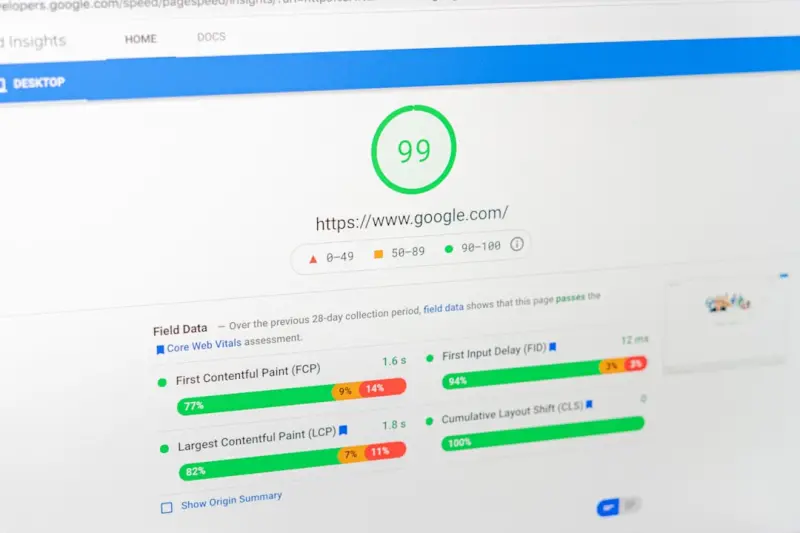
Mobile‑first indexing is no longer a buzzword; it’s the default mode of operation for Google’s crawlers, and the SERP reflects this by prioritizing content that loads instantly and adapts fluidly. My own audits reveal that sites with a Core Web Vitals score under 50 consistently secure higher rankings in mobile SERPs, especially for “near me” queries that demand rapid, location‑aware answers. This makes performance optimization an SEO imperative rather than an afterthought.
In practice, I push for server‑side rendering of critical content, image compression, and lazy loading of non‑essential assets. Pair this with a mobile‑optimized content hierarchy—using H2 and H3 tags strategically—to guide both crawlers and users through the page’s narrative. For a broader perspective on mobile trends, see the Mobile SEO Trends 2024 guide.
Link Building in a SERP‑Centric World
Backlinks remain a cornerstone of authority, but the way they influence SERPs has become more nuanced as Google’s AI evaluates link context, relevance, and anchor diversity with greater precision. I’ve shifted from pure quantity tactics to a “relationship‑first” approach, focusing on earning links from industry thought leaders who can provide both topical relevance and user trust signals. This aligns with the emerging pattern where Google rewards natural, context‑rich link ecosystems over overt, manipulative link farms.
One effective method is to create pillar content that serves as a comprehensive resource, then reach out to niche publications and ask them to reference specific sections—this not only builds links but also drives targeted referral traffic. The impact can be measured by a noticeable lift in the “People Also Ask” box, a clear indicator that Google now sees your content as an authority worth surfacing in multiple SERP features.
The Role of Structured Data in 2024 SERPs
Structured data is the secret sauce that tells Google how to interpret and display your content across the expanding SERP landscape. From FAQ schemas that generate accordion‑style answers to product schemas that populate rich snippets with price, availability, and star ratings, the possibilities are endless. I advise clients to audit their sites quarterly, ensuring every relevant page is annotated with the latest schema types, as Google frequently adds new markup options that can unlock fresh SERP real estate.
Beyond traditional schemas, I’ve begun experimenting with the emerging Event and JobPosting types, which can surface content in specialized SERP verticals—an untapped goldmine for niche markets. When implemented correctly, structured data can increase click‑through rates by up to 30%, a statistic that underscores its strategic value in the modern SERP ecosystem.
Future‑Proofing Your SERP Strategy
Looking ahead, the SERP will continue to blur the lines between search, social, and e‑commerce, creating a unified experience where intent is satisfied in a single scroll. To future‑proof your strategy, I recommend building a flexible content architecture that can be repurposed across formats—text, video, voice, and even augmented reality. This adaptability ensures that as Google introduces new SERP features, your content is ready to slot into them without a complete overhaul.
Finally, stay informed by regularly reviewing industry forecasts and case studies. For a comprehensive roadmap, I often reference The 2024 SEO Playbook, which offers actionable insights that align with the evolving SERP dynamics. Embrace change, experiment boldly, and remember that the SERP is not a static destination but a living, breathing ecosystem that rewards the curious and the diligent.

Tom Ferguson is a Canadian freelance writer with a passion for storytelling, current events, and thoughtful commentary. Drawing on years of writing experience, he shares engaging insights on a wide range of topics, bringing a uniquely Canadian perspective to his work.
Related Posts
Cracking the Zero‑Click SERP: How to Win When Users Don’t Click
Learn how to capture prime SERP real‑estate—position 0, PAA, and rich results—while turning ... Read More
Navigating SERP Volatility: A SaaS Marketer’s Playbook for Ranking Resilience
SERP volatility can quickly derail SaaS growth, but with a proactive playbook—monitoring changes, ... Read More

Turning SERP Volatility into a SaaS Growth Engine
Discover how to turn daily SERP rank swings into actionable intelligence, capture emerging search fe... Read More
Top Posts

From Keywords to Clusters: Crafting an AI‑Powered Semantic SEO Strategy
Learn to replace outdated keyword lists with AI‑driven semantic clusters, pillar pages, and a scalable workflow that powers modern SEO performance....Read More

Crafting an SEO Narrative: From Intent Clusters to Storytelling Success
Discover a fresh SEO strategy that treats keywords as characters, intent clusters as plots, and internal links as narrative threads to boost engagement and rank...Read More

The Evolution of Social Media Marketing: Navigating the Ever-Changing Landscape
Social media marketing has become a complex and challenging task, but with the right strategies and best practices, businesses can drive real results. Learn how...Read More

From Data to Authority: A Fresh SEO Strategy Blueprint
Learn how to harness semantic clustering and topic modeling to build authority, align content with user intent, and stay ahead in the ever‑evolving SEO landsc...Read More
0 Comments
Post Comment
You will need to Login or Register to comment on this post!