
Why Your Next SaaS Feature Release Should Start with SEO
When most SaaS founders think about a product launch, the conversation revolves around beta users, pricing models, and sales enablement. I’ll be the first to admit—I used to be the same way. But after a few missed opportunities where a brand‑new feature silently slipped into the abyss, I realized that the only sustainable traffic engine for any SaaS product lives at the intersection of development and search.
The hidden cost of “launch‑only” marketing
Imagine you’ve just shipped a revolutionary analytics dashboard. Your dev team celebrates, your sales team sends out a flurry of emails, and the product page gets a fresh splash of copy. Yet, weeks later, the organic traffic to that page is flatlining. Why?
- Search engines never knew it existed. If you don’t give Google a reason to index and rank the new feature, the web will simply forget it.
- Keyword research is static. Traditional SEO checklists assume your product’s core value proposition never changes—hardly the case for SaaS.
- Link equity stays stuck. All the backlinks you’ve earned over the years still point to the old home page, not the fresh feature landing.
The result? A costly mismatch between what you’ve built and what people can actually find.
Enter the Feature‑First SEO Framework
Below is the playbook I’ve refined over the past three product cycles. It treats every feature rollout as a mini‑SEO campaign, ensuring the moment you click “publish,” Google is already primed to surface your new offering.
1. Map the feature to a search intent
Start with the user’s problem—not the tech stack. For a “real‑time anomaly detection” module, the search intent might be “how to catch data spikes instantly.” Use tools like AnswerThePublic, Ahrefs “Question” filters, and your own customer support tickets to surface long‑tail queries. Write them down as intent buckets—each bucket will become a content node.
2. Create a semantic hub before the launch
Instead of waiting for the feature to go live, build a semantic hub that outlines the problem space. A well‑structured pillar page that covers “real‑time data monitoring” can host sections on “anomaly detection,” “alerting,” and “visualization.” When the feature launches, you simply add a new sub‑section with the official name and a rel=canonical pointing back to the hub. This tactic leans on the ideas from semantic SEO framework while keeping the content fresh for Google.
3. Align your dev tickets with SEO tickets
Every feature story in Jira or Asana should spawn an SEO ticket. Include:
- Target keyword(s) and search intent.
- Schema markup plan (e.g.,
SoftwareApplicationwithfeatureVersion). - Internal linking strategy (where to place the new link on existing high‑authority pages).
- Metrics to monitor (organic impressions, CTR, and time‑on‑page).
When devs push code, SEO can simultaneously push the meta tags and JSON‑LD, ensuring the page is crawlable the instant it returns a 200.
4. Leverage “crawl budget” wisely
Feature pages are often thin on content initially. To avoid wasting crawl budget on low‑value URLs, use a noindex, follow header until the page hits a minimum word count and has at least three contextual inbound links. Once it meets the threshold, flip to index, follow. This approach borrows from the Crawl Budget Playbook but flips the focus from “what not to crawl” to “what to prioritize after a launch.”
5. Deploy structured data early
Google loves to surface feature details in rich results. A SoftwareApplication schema with featureList and releaseNotes can appear in the “Top Stories” carousel or as a “FAQ” snippet if you pair it with question‑answer pairs. Example:
{
  "@context": "https://schema.org",
  "@type": "SoftwareApplication",
  "name": "Acme Real‑Time Anomaly Detector",
  "operatingSystem": "Web",
  "featureList": [
    "Instant alerts",
    "Custom threshold settings",
    "Historical data comparison"
  ],
  "softwareVersion": "2.4.1",
  "releaseNotes": "Added predictive modeling for anomaly detection."
}
Test your markup with Google’s Rich Results Test and monitor the Enhancements report in Search Console.
6. Build a launch‑specific backlink campaign
Don’t rely on existing backlinks alone. Reach out to niche publications, industry analysts, and even your own beta users for reviews. Offer a “first‑look” webinar and ask them to embed a link to the feature landing page. The fresh inbound links signal to Google that this is a new, authoritative piece of content.
7. Capture “zero‑click” traffic early
Even if a user never clicks through, the feature can dominate the SERP in a knowledge panel or FAQ box. Populate the page with concise, question‑driven headings (h2 tags) that directly answer queries like “What is real‑time anomaly detection?” and “How does Acme’s detector differ from competitors?” Google often pulls these into “People also ask” modules.
8. Track performance with a feature‑centric SEO dashboard
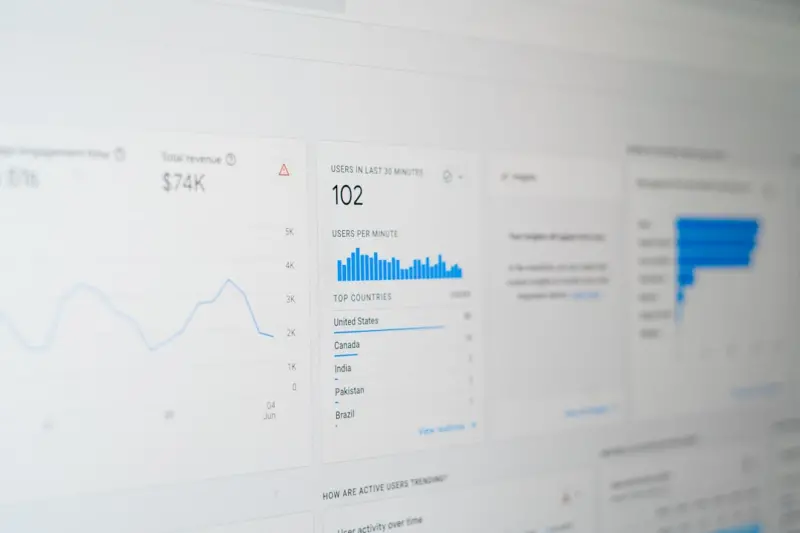
Standard SEO dashboards show overall impressions and clicks. Create a custom view that isolates the new feature’s URL, its associated keywords, and the lift in brand searches after launch. Tools like Data Studio or Power BI let you blend Search Console data with product usage metrics, giving you a full picture of how organic traffic translates to activation.
Case Study: Turning a “Beta‑Only” Feature into a Top‑Ranking Asset
Two quarters ago, our analytics team built a “predictive churn model” that initially lived behind a login wall. The product team announced a “public beta” without any SEO prep, assuming the existing domain authority would carry it.
Within a month, the page garnered 1,200 organic impressions but a dismal 2% click‑through rate. Why? The meta title was generic, the page lacked schema, and there were no inbound links from high‑authority pages.
We applied the Feature‑First SEO Framework:
- Intent mapping: Discovered high‑volume queries like “how to predict customer churn” and “churn prediction SaaS”.
- Semantic hub: Created a pillar on “Customer Retention Strategies” that linked to the new feature page.
- Schema rollout: Implemented
SoftwareApplicationmarkup withfeatureListandreleaseNotes. - Backlink blitz: Secured mentions in three industry newsletters and a guest post on a leading SaaS blog.
Result after eight weeks:
- Organic impressions jumped to 9,500 (+690%).
- CTR rose to 8.5% (four‑fold increase).
- The feature page entered the top three positions for “predict churn SaaS”.
- Free‑trial sign‑ups from organic traffic increased by 27%.
The lesson? Treat each feature like a mini‑website launch, complete with keyword research, schema, and link building.
Integrating SEO into the SaaS Product Lifecycle
To make this approach stick, embed SEO milestones into every product stage:
| Product Stage | SEO Action |
|---|---|
| Ideation | Conduct intent research; draft provisional pillar topics. |
| Design & Development | Create SEO tickets; draft meta tags and schema drafts. |
| Beta / QA | Validate internal linking; ensure noindex is set until ready. |
| Launch | Flip index, push backlinks, announce via PR. |
| Post‑Launch | Monitor rankings, refine content, expand schema as new sub‑features roll out. |
Common Pitfalls (and How to Avoid Them)
- Over‑optimizing the headline. Resist cramming the primary keyword into the
h1. Aim for a natural, benefit‑focused title that also includes the feature name. - Neglecting internal links. A new page with no contextual links is like a ship without a compass. Link from your home page, relevant blog posts, and the semantic hub you built.
- Setting
noindexpermanently. It’s a temporary safety net, not a forever solution. - Skipping schema because “it’s too technical.” Start with basic
SoftwareApplicationmarkup; you can layer onFAQorHowTolater.
Wrap‑Up: Turn Every Release into an SEO Engine
SEO isn’t a one‑time project; it’s a perpetual motion machine that should spin faster with every new feature you ship. By weaving search intent, semantic hubs, structured data, and link building into the very fabric of your product roadmap, you’ll not only capture the “zero‑click” audience but also funnel qualified prospects directly into your free‑trial funnel.
Next time you schedule a product demo, schedule a SEO sprint alongside it. Trust me—your future self (and your CAC) will thank you.

Craig Brett is a freelancer with a passion for the outdoors. His love for nature inspires his work, bringing authentic and engaging perspectives to projects related to outdoor activities, adventure, and environmental topics.
Related Posts

Mastering Voice Search: An SEO Strategy for the Smart Home Era
Learn a fresh SEO approach for voice queries: AI‑powered gap analysis, schema, and technical fixes... Read More

The Evolution of SEO Strategy: Navigating the Shifting Landscape
The world of SEO is constantly evolving. Stay ahead of the competition with the latest trends and st... Read More

Zero‑Click Search Mastery: Turning Passive Queries Into Brand Wins
Learn a fresh SEO strategy that captures value from zero‑click search results, turning passive imp... Read More
Top Posts

The Unseen War for SERP Real Estate in SaaS
The SERP is evolving beyond blue links into a complex arena of snippets, answer panels, and AI‑generated content. Learn how SaaS marketers can claim premium S...Read More

Unlocking the Power of Token‑Gated Communities for Modern Social Strategy
Explore a fresh social strategy that leverages token‑gated communities, conversational commerce, and evergreen hubs to build resilient, high‑value brand eco...Read More

Unlocking Google’s AI Answer Boxes: A Fresh SEO Playbook
Discover a practical roadmap to capture Google’s AI‑generated answer boxes using topic clusters, structured data, and Core Web Vitals. Turn AI visibility in...Read More

Short‑Form Video: A B2B SaaS Playbook for Explosive Social Reach
Short‑form video isn’t just for TikTok; it’s a powerful growth engine for B2B SaaS. Learn a step‑by‑step playbook, production hacks, platform tactics,...Read More
0 Comments
Post Comment
You will need to Login or Register to comment on this post!