
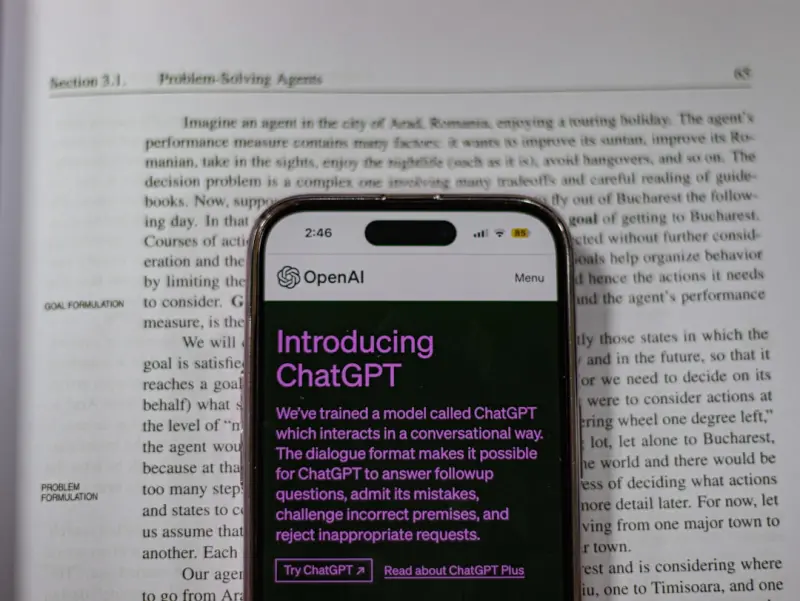
When I first piloted a chatbot for a modest SaaS startup, I expected it to be a polite gatekeeper—answering FAQs, routing tickets, and maybe nudging a trial user toward a demo. What I didn’t anticipate was the sheer revenue lift that a well‑orchestrated conversational experience could deliver. In today’s hyper‑personalized digital landscape, chatbots have graduated from “nice‑to‑have” to “must‑have” growth engines, and they’re doing it in ways that feel surprisingly human.
Why Conversational Marketing Is No Longer a Novelty
Think about the last time you visited a website and were bombarded with static banners and generic copy. Now compare that to the experience of landing on a site where a friendly, context‑aware assistant greets you by name, asks what you’re looking for, and offers a tailored demo in real time. The difference is stark, and the numbers back it up: conversion rates for conversational interfaces can be up to 3‑5 times higher than traditional landing pages.
There are three core shifts driving this surge:
- Expectation of immediacy. Modern buyers demand answers in seconds, not minutes.
- Data‑driven personalization. AI can digest a visitor’s behavior, company size, and even recent news to craft a relevant pitch on the fly.
- Seamless handoff. When a bot hits its limits, a live rep can jump in without the user ever having to repeat themselves.
Combine these elements, and you have a conversation that feels less like a sales pitch and more like a helpful dialogue—exactly the tone I aim for in all my digital marketing efforts.
Designing a Bot That Actually Converts
Most marketers start with the technology and forget the conversation. Here’s my three‑step framework for building a bot that moves the needle:
1. Map the Buyer Journey, Not the Site Architecture
Instead of mirroring your site’s navigation, outline the logical steps a prospect takes from problem awareness to decision. Identify the pivotal moments where a bot can add value: clarifying a feature, comparing plans, or even offering a limited‑time discount.
2. Infuse Real‑World Context
Static scripts die quickly. Leverage AI to pull in contextual signals—company size, industry, recent product releases—so the bot can say things like, “I see you’re a growing fintech firm; our compliance module might be a perfect fit.” This is where AI prompt engineering meets conversational flow, turning raw data into natural language.
3. Define Clear Success Metrics
Every conversation should have an objective: schedule a demo, capture an email, or push a free‑trial activation. Tie these goals to measurable KPIs—conversion rate, average handle time, and revenue per conversation—to ensure you’re optimizing for business impact, not just engagement.
Integrating the Bot With Your Funnel
A chatbot isn’t an isolated island; it’s a bridge that connects the top of the funnel with downstream nurture tactics. Here’s how I weave it into a holistic digital strategy:
- Lead Enrichment. When a visitor shares their email, the bot can instantly enrich the profile with firmographic data from your CRM, setting the stage for hyper‑targeted email sequences.
- Dynamic Retargeting. Use conversation outcomes to trigger personalized retargeting ads. If a prospect asked about a specific feature, serve them a case study highlighting that capability.
- Feedback Loop. Capture objections or pain points voiced during chats and feed them back into your content team. This creates a pipeline of fresh blog topics and on‑page copy that resonates.
In fact, I recently leveraged insights from chatbot conversations to revamp a SaaS pricing page, turning it into an SEO powerhouse that speaks directly to the objections we’d heard most often.
The Human‑in‑the‑Loop Model
Automation is powerful, but it shouldn’t replace human expertise. The “human‑in‑the‑loop” model ensures that when a bot flags a high‑value prospect—say, a company with over 500 employees and a churn risk score above 70%—a senior sales rep receives a real‑time alert and can intervene with a personalized outreach.
This hybrid approach does three things:
- Maintains quality. Complex queries get human nuance.
- Boosts efficiency. Reps focus on high‑impact conversations instead of repetitive FAQs.
- Improves data accuracy. Human agents can correct bot misinterpretations, feeding better training data back into the AI model.
Measuring ROI: From Conversation to Cash
It’s easy to get dazzled by chatbot adoption stats—messages per month, bounce reduction, or time‑on‑site gains. But the ultimate yardstick is revenue. Here’s my go‑to calculation:
Revenue per Conversation (RPC) = (Total Revenue Attributed to Bot ÷ Number of Qualified Conversations)
To attribute revenue, I track the first‑touch bot interaction and follow the prospect through the funnel, assigning a weighted credit based on the touchpoint’s influence. In one recent rollout, the RPC jumped from $0 to $1,200 within three months, delivering a 4.2x ROI when factoring in bot development and platform costs.
Common Pitfalls and How to Avoid Them
Even with a solid framework, many teams stumble. Below are the traps I’ve seen and quick fixes:
- Over‑Automation. If the bot tries to handle every query, it frustrates users. Set clear handoff thresholds—e.g., after two “I don’t understand” signals, trigger a live chat.
- Poor Language Tone. A robotic tone kills trust. Use a conversational voice guide and test with real users before launch.
- Neglecting Mobile Experience. With the majority of B2B research happening on phones, ensure the bot UI is touch‑friendly and loads quickly.
- Ignoring Data Privacy. Be transparent about data collection and comply with regulations like GDPR; otherwise, you risk eroding brand credibility.
Future‑Proofing Your Conversational Strategy
The landscape is evolving fast. Here’s where I see the next wave of growth:
Multimodal Interactions
Combining text, voice, and even video snippets within a single conversation can cater to different buyer preferences. Imagine a bot that, after a brief chat, drops a short product demo video right in the chat window.
Predictive Intent Detection
Advanced models can anticipate a prospect’s next question before they ask it, based on their navigation path and previous interactions. This proactive approach shortens the sales cycle dramatically.
Cross‑Channel Continuity
Whether a prospect starts on your website, continues on LinkedIn, or moves to an email thread, the conversational context should travel with them. Integrating your bot platform with a co‑authored research database can provide consistent, data‑rich responses across channels.
Getting Started: A Quick Action Plan
If you’re ready to turn your chatbot into a revenue driver, follow these five steps:
- Audit Your Current Funnel. Identify drop‑off points where a bot could intervene.
- Choose the Right Platform. Look for AI capabilities, easy CRM integration, and robust analytics.
- Draft Conversational Scripts. Map each script to a specific funnel stage and success metric.
- Pilot with a Segment. Test on a small, high‑value audience and iterate based on feedback.
- Scale and Optimize. Roll out across the site, monitor RPC, and continuously refine AI prompts and handoff rules.
Remember, the goal isn’t just to automate—it's to create meaningful, revenue‑generating conversations that feel as natural as a coffee‑shop chat with a trusted advisor.
When you treat your chatbot as an integral part of your digital marketing orchestra, you’ll hear the sweet sound of higher conversions, deeper engagement, and a sales pipeline that hums with efficiency. So, next time you think about “adding a chatbot,” think bigger: think about building a conversational growth engine that works 24/7, learns from every interaction, and ultimately, drives the bottom line.

Kelly Reynolds is a dynamic freelance writer hailing from the picturesque landscapes of Alberta. A master of the written word, she juggles her passion for storytelling with the exhilarating chaos of being a mother to five spirited children. With an impressive portfolio that spans various genres, Kelly captivates readers through her engaging blog posts and thought-provoking articles.
Related Posts
Interactive Content Engines: The New Conversion Engine for SaaS
Interactive content is reshaping SaaS digital marketing by turning passive visitors into active part... Read More

How to Turn Customer Reviews into an SEO Powerhouse
Learn to transform raw customer reviews into SEO‑rich content hubs, earn rich snippets, and boost ... Read More

Why Authenticity and AI Are Redefining Digital Marketing in 2026
In 2026, marketers blend AI scalability with genuine human storytelling to master SEO, link building... Read More
Top Posts

Empathy‑First Strategies to Supercharge eCommerce Growth
Explore why empathy is the missing ingredient in modern eCommerce, how human‑centric data turns shoppers into fans, and the tactics you can apply today to sup...Read More
The Hidden Battle for Visibility in Personalized SERPs
Personalized SERPs are changing the SEO game. Discover why relevance, privacy, and visual features matter, and get actionable tactics to win visibility across e...Read More

Log File Analysis for SaaS Technical SEO
Server logs hold the key to technical SEO for SaaS. This post shows how to parse crawl data, fix inefficiencies, validate rendering, and turn hidden URLs into r...Read More

Privacy‑First Targeting: Thriving in the Cookieless Era
As third‑party cookies disappear, SaaS marketers must pivot to privacy‑centric strategies. This post outlines a practical playbook—first‑party data engi...Read More
0 Comments
Post Comment
You will need to Login or Register to comment on this post!