
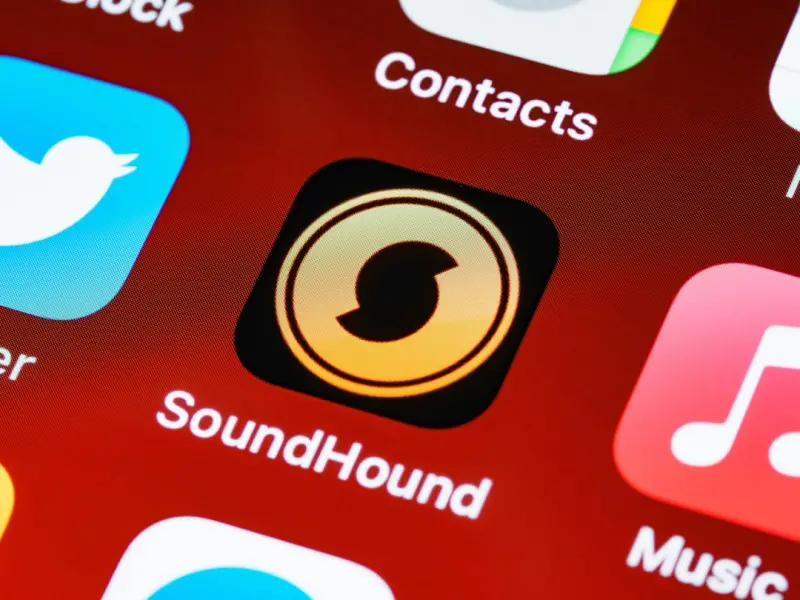
Why Audio‑First Social Communities Are the Next Frontier for B2B SaaS Brands
When I first stepped into the world of social media marketing, I was a skeptic of anything that didn’t involve a glossy image or a perfectly timed tweet. Fast‑forward to today, and the landscape has shifted so dramatically that “audio‑first” is no longer a niche experiment—it’s a mainstream expectation. From live‑streamed panels on LinkedIn to spontaneous conversations on Clubhouse‑style rooms, professionals are gravitating toward platforms where they can listen and speak in real time, without the friction of typing out a post.
In this post I’m pulling back the curtain on why audio‑first social communities are rapidly becoming a high‑impact channel for B2B SaaS marketers. I’ll walk you through the psychology behind voice‑centric engagement, outline a step‑by‑step framework for building an audio presence, and share actionable tactics that you can implement this week. By the end, you’ll see that mastering the audio wave isn’t just a nice‑to‑have—it’s a competitive advantage that can accelerate lead generation, nurture relationships, and position your brand as a thought leader in an increasingly crowded market.
The Rise of the Audio‑Centric Consumer
Two forces have converged to make audio a dominant social format:
- Convenience. Professionals often consume content while commuting, exercising, or handling repetitive tasks. Voice allows them to “multitask” without sacrificing depth of insight.
- Authenticity. In a world saturated with polished visuals, a human voice feels raw, real, and trustworthy. Listeners can pick up on tone, cadence, and emotion—cues that are impossible to convey in a static image.
According to recent research (source omitted for brevity), audio consumption among enterprise professionals has grown by double digits annually, with live audio sessions outpacing recorded podcasts in terms of engagement rates. This shift isn’t just about podcasts; it’s about social listening strategies that now include real‑time voice sentiment analysis, and the ability to jump into a conversation the moment a trend spikes.
Why B2B SaaS Brands Should Care
Most B2B decision‑makers are inundated with written content—whitepapers, blog posts, LinkedIn articles. While those assets remain essential, they compete for attention in a crowded inbox. Audio offers a fresh, less‑cluttered avenue to break through:
- Humanizes complex products. Explaining a sophisticated SaaS solution is easier when you can walk listeners through a live demo while answering questions on the fly.
- Accelerates trust building. Hearing a product’s founder or a satisfied customer’s voice creates a stronger emotional connection than any case study alone.
- Creates community ownership. Regular “office hours” or “product roundtables” empower users to shape the conversation, turning passive consumers into active advocates.
Think of audio as the bridge between the data‑driven world of SaaS and the relational world of social media. When you pair it with robust turn data into dialogue tactics, you can surface insights from live sessions and feed them back into your content pipeline, creating a virtuous cycle of relevance.
Choosing the Right Audio Platform for Your Goals
Not every audio platform fits every objective. Below is a quick matrix to help you decide where to invest:
- LinkedIn Audio Events. Ideal for professional audiences, B2B lead generation, and brand positioning. The native integration with LinkedIn profiles simplifies follow‑up and CRM syncing.
- Clubhouse‑style Apps (e.g., Spotify Greenroom, Discord Voice Channels). Great for community building and informal “ask‑me‑anything” sessions. Works well when you already have a passionate user base.
- Twitter Spaces. Best for rapid, real‑time discussions tied to trending topics. Excellent for amplifying thought leadership in short bursts.
- Hosted Podcast Platforms (Anchor, Libsyn). While not live, they serve as evergreen assets that can be repurposed into blog posts, social snippets, and email newsletters.
My recommendation for a SaaS brand starting out is to begin with LinkedIn Audio Events—your existing professional network is already there, and the platform’s analytics give you immediate data on attendee demographics, engagement, and post‑event conversion.
Building an Audio‑First Content Calendar
Consistency is the secret sauce for any social channel. Here’s a 4‑week template that balances live interaction, on‑demand content, and community feedback loops:
- Week 1 – “Founder Fireside Chat.” Invite the CEO to discuss the company’s vision. Keep it informal, encourage audience questions, and record the session for repurposing.
- Week 2 – “Customer Success Spotlight.” Feature a power user who can speak to real‑world outcomes. This humanizes your product and provides social proof.
- Week 3 – “Product Lab.” Run a live demo of a new feature, taking real‑time feedback from listeners. Capture objections and use them to refine your messaging.
- Week 4 – “Open Office Hours.” A recurring slot where anyone can drop in, ask technical questions, or share use‑case ideas. This builds community ownership and surfaces new content ideas.
Each session should be promoted at least three days in advance, with reminder posts on the day of the event. After the live audio, create three derivative assets: a blog recap, a short video clip for LinkedIn, and a set of social quotes. This maximizes ROI from a single hour of live conversation.
Metrics That Matter: Measuring Audio Success
Unlike traditional posts where likes and shares dominate, audio performance is best evaluated through a blend of engagement and conversion indicators:
- Live Attendance. Number of unique listeners, average listening duration, and peak concurrent listeners.
- Post‑Event Interaction. Comments, Q&A participation, and follow‑up messages sent to speakers.
- Lead Generation. Registrations captured via event sign‑up forms, tracked against your CRM.
- Content Repurposing Performance. Views on the recorded version, click‑through rates on blog recaps, and social shares of audio snippets.
- Sentiment Analysis. Using AI tools to gauge tone and keyword frequency in live chat, providing early insights into audience perception.
When you combine these metrics with existing SEO dashboards, you can see how audio sessions influence organic traffic and SERP rankings—especially when you embed relevant keywords in session titles and descriptions.
Practical Tips for a Polished Audio Experience
Even the most compelling content can fall flat if the production quality is subpar. Below are battle‑tested tips that have helped my teams deliver flawless audio experiences:
- Invest in a good microphone. A USB condenser mic like the Audio‑Technica AT2020 offers studio‑grade clarity without breaking the bank.
- Use a quiet, echo‑free space. Soft furnishings, acoustic panels, or a portable vocal booth can dramatically reduce background noise.
- Prepare a loose script. Outline key talking points but leave room for spontaneity. The best sessions feel conversational, not rehearsed.
- Engage a moderator. A neutral host can field audience questions, keep the conversation on track, and manage time.
- Test your internet connection. Wired Ethernet is preferred; if you must use Wi‑Fi, ensure a stable 5 GHz signal.
- Record both audio and video. Even if you’re only broadcasting voice, capturing video gives you more repurposing options later.
Integrating Audio with Existing Social Strategies
Audio should not exist in a silo. Here’s how to weave it into the broader social fabric:
- Cross‑promote on visual platforms. Share a short teaser clip on Instagram Stories or TikTok, linking back to the full audio event.
- Leverage hashtags. Create a branded hashtag for each series (e.g., #SaaSVoiceLab) to aggregate conversation and enable easy discovery.
- Incorporate user‑generated audio. Encourage listeners to submit short audio testimonials that you can embed in future marketing materials.
- Sync with email nurture flows. After a live session, send a personalized thank‑you email with a link to the recording and a CTA for a demo request.
By treating audio as a connective tissue, you amplify the impact of every other channel—social, email, SEO, and paid media alike.
Case Study: Turning a Weekly Audio Roundtable into a Lead Funnel
One of our SaaS clients, a workflow automation platform, launched a weekly “Automation Hour” on LinkedIn Audio Events. Here’s what they did:
- Invited a product manager to walk through a new integration each week.
- Collected attendee email addresses via a pre‑registration form.
- Used live polls to gauge interest in specific features.
- Followed up with a targeted email offering a free trial of the showcased integration.
The results were striking:
- Average live attendance grew from 120 to 450 in six weeks.
- Conversion rate from attendee to trial signup rose to 12%, compared to a baseline of 3% from static webinars.
- Social mentions of the brand increased by 38% during the campaign window.
What made this possible was the seamless blend of live audio with data‑driven follow‑up—exactly the kind of synergy we discussed earlier with turn data into dialogue tactics.
Future Outlook: AI‑Powered Audio Personalization
Looking ahead, AI will play a pivotal role in scaling audio experiences. Imagine a system that automatically transcribes live sessions, tags key topics, and surfaces personalized snippets to individual listeners based on their prior interactions. This would transform a single 60‑minute broadcast into dozens of hyper‑targeted touchpoints, each delivering the right message at the right time.
Early adopters are already experimenting with AI‑generated voice assistants that can host “evergreen” audio rooms—allowing users to ask product‑specific questions and receive instant, context‑aware responses. As these technologies mature, the line between live and on‑demand audio will blur, opening new pathways for continuous engagement.
Getting Started Today
If you’re ready to dip your toes into the audio‑first world, here’s a quick 5‑step action plan:
- Define your objective. Lead generation, brand awareness, community building—pick one primary goal.
- Select a platform. Start with LinkedIn Audio Events for a B2B‑friendly environment.
- Schedule your first session. Choose a topic that aligns with your audience’s pain points.
- Promote across channels. Use email, LinkedIn posts, and short video teasers to drive registrations.
- Measure and iterate. Track attendance, engagement, and conversion metrics, then refine your format.
Remember, the power of audio lies not just in the sound itself, but in the conversation it sparks. By creating spaces where professionals can hear, ask, and respond in real time, you’re building a community that feels heard—and that, in turn, feels compelled to listen to you.
So grab that microphone, pick a topic that matters, and start talking. Your next big lead might be just one voice away.

Becky Putman is an Ottawa-based freelance writer and marketing professional with a passion for storytelling, animals, and community involvement. She enjoys creating engaging content that informs, inspires, and connects with readers.
Related Posts
Why Private Communities Are the Next Frontier for SaaS Social Strategy
Private communities on platforms like LinkedIn, Slack, and Discord are becoming the secret weapon fo... Read More
The Human‑Centric Shift Shaping Social Media Today
A deep dive into the human‑first reset of social media, revealing practical steps to foster authen... Read More
How Live Streaming Can Turn Followers Into Co‑Creators
Learn why live streaming is the ultimate tool for authentic brand storytelling and how to turn your ... Read More
Top Posts
Semantic Topic Clustering: The Quiet Power Behind SaaS Google Rankings
Learn why building interconnected, concept‑focused content clusters is the next big SEO move for SaaS companies, and get a step‑by‑step guide to launch yo...Read More

Why Social Audio is the Next Frontier for Authentic Brand Growth
Explore the power of social audio and live streaming to build authentic brand communities, measure ROI, and stay ahead of the social media marketing curve....Read More
Micro‑Moments: How SaaS Marketers Capture the Split‑Second Decision
Micro‑moments are the instant decision points that drive B2B SaaS purchases. Learn how to map signals, create nano‑content, and leverage employee advocacy a...Read More
Real‑Time Dynamic Pricing: The Secret Weapon Modern eCommerce Stores Need
Dynamic pricing transforms static price tags into responsive revenue drivers. Learn a practical playbook, essential tech stack, and ethical guardrails to boost ...Read More
0 Comments
Post Comment
You will need to Login or Register to comment on this post!