

Visual Search Is Redefining How People Discover Content
Imagine a shopper snapping a photo of a sneaker on the street and instantly seeing a list of retailers that carry the exact model, price comparisons, and even style recommendations—all without typing a single keyword. That scenario is no longer a futuristic vignette; it’s happening today, driven by Google Lens, Bing Visual Search, and a growing suite of AI‑powered image recognizers that interpret visual cues the way humans do. Visual search is compelling users to shift from text‑centric queries to image‑first interactions, forcing marketers to rethink keyword research, content planning, and authority building from a fundamentally visual perspective.
Architecting Image Data for Search Engines
Search engines need structured signals to understand what an image represents, and the most reliable way to provide those signals is through schema.org markup, particularly the ImageObject type, which lets you annotate dimensions, caption, licensing, and even the creator’s identity in a machine‑readable format. By embedding JSON‑LD directly into your HTML, you give crawlers a clear, unambiguous map of each visual asset, dramatically increasing the chance that your images appear in the coveted “Images” carousel, Google Discover, or the emerging visual SERP panels that dominate mobile home screens. Moreover, pairing ImageObject with Product schema or Article schema creates a layered context that signals not just what the picture depicts, but how it relates to the surrounding content, boosting relevance scores in ways that traditional alt‑text alone cannot achieve.
From Community Photos to Authority Signals
User‑generated content (UGC) is a goldmine for visual SEO because it provides authentic, diverse imagery that search engines love for its freshness and real‑world relevance. Encouraging customers to upload photos of your product in use, then tagging those images with consistent, descriptive filenames and alt attributes, creates a sprawling, organically expanding image library that continually feeds the search algorithm with new ranking opportunities. When these community photos are aggregated into a dedicated gallery page, you can further amplify their impact by linking each image back to a high‑authority product or category page, effectively turning every user‑submitted picture into a micro‑backlink that reinforces topical authority across your site.
Measuring the ROI of Visual Search Optimization
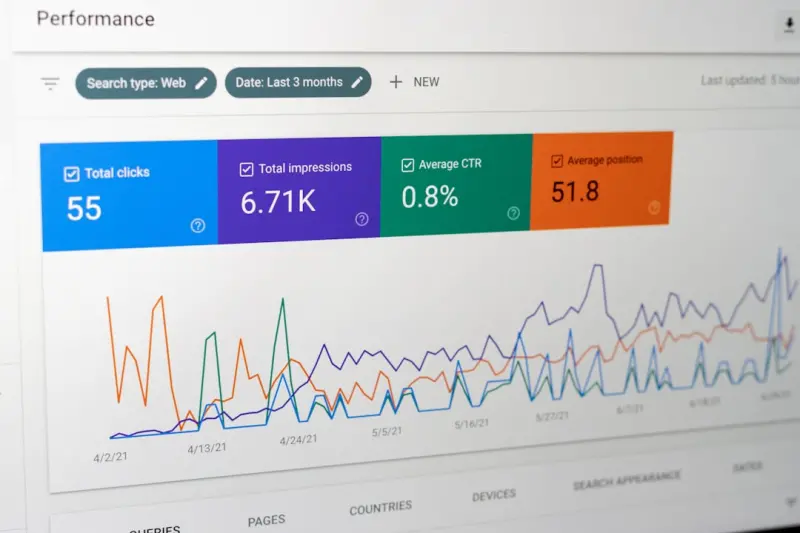
Unlike traditional organic traffic, visual search performance is captured through a blend of impression data from image carousels, click‑through rates on image results, and downstream conversions that can be attributed to image‑driven sessions in your analytics platform. Implementing event tracking on image clicks, coupled with Google Search Console’s “Discover” and “Image” reports, gives you a granular view of how each visual asset contributes to the funnel, allowing you to prioritize high‑performing images for further optimization or to replicate their success across similar product lines. The key is to treat visual assets as first‑class SEO properties, allocating budget for professional photography, image compression tools, and A/B testing of schema variations, just as you would for text content.
Strategic Link Building Through Visual Collaboration
Links remain the backbone of authority, but the way you earn them is evolving. By partnering with complementary brands to co‑create infographics, interactive product comparison charts, or visual case studies, you generate link‑worthy assets that naturally attract backlinks from industry blogs, news sites, and even niche forums that value high‑quality visual explanations. For instance, a well‑designed visual guide on “How to Choose Sustainable Fabrics” can be hosted on your site while partners embed it on theirs, each linking back to the original source and passing link equity. This approach aligns perfectly with the principles outlined in Unlocking Link Value Through Collaborative Content Partnerships, but adds a visual twist that resonates with today’s image‑first audience.
Integrating Visual Intent with Traditional Keyword Strategy
While visual search is its own ecosystem, it does not exist in a vacuum; it intersects with classic keyword intent, and the most successful campaigns weave the two together. Start by mapping out the visual queries that correspond to your primary keyword clusters—think “blue denim jacket” as both a text search and a visual search phrase—and then create image‑rich landing pages that satisfy both intents simultaneously. By aligning the semantic themes of your text content with the descriptive metadata of your images, you reinforce topical relevance, a synergy that search engines reward with higher rankings across both traditional and visual SERPs. For a deeper dive into aligning intent across formats, check out Mapping Search Intent: The Blueprint to Dominate Google Rankings, which provides a solid framework you can extend into the visual realm.
Future‑Proofing Your Site for AI‑Powered Discovery
The next wave of search will be dominated by multimodal AI models that ingest text, images, and even video to deliver hyper‑personalized results, meaning today’s visual SEO tactics are the foundation for tomorrow’s AI‑driven visibility. Investing in high‑resolution, context‑rich imagery, maintaining clean and comprehensive schema, and fostering a community of contributors who continuously feed fresh visual data will position your brand as a trusted visual authority when AI agents start pulling from the open web to answer user questions. In practice, this means setting up automated pipelines that resize, tag, and schema‑mark new images as they’re uploaded, ensuring that no visual asset ever falls through the cracks of the indexing process.
Actionable Checklist for Dominating Visual Search
To translate strategy into results, start with a quick audit: (1) Verify that every image uses a descriptive filename and alt text; (2) Add JSON‑LD ImageObject markup to high‑value pages; (3) Consolidate user‑generated photos into dedicated, schema‑enhanced galleries; (4) Set up analytics events for image clicks and track them in Search Console; (5) Identify partnership opportunities for co‑created visual assets and embed reciprocal links; (6) Schedule regular reviews of image performance to prune low‑ROI assets and double down on winners. By treating each step as an integral part of your overall SEO roadmap, you’ll unlock a new dimension of traffic that not only boosts rankings but also enhances brand perception through stunning, discoverable visuals.

Jessica Hall is a dynamic freelance writer based in the vibrant city of London, Ontario. As a dedicated single mom, she expertly juggles the demands of parenthood with her passion for storytelling, crafting compelling narratives that resonate with readers. With a background in retail, Jessica brings a unique perspective to her writing, infusing her work with insights drawn from her experiences.
Related Posts

How to Future‑Proof Your SaaS SEO for AI‑Driven Search
AI‑driven search is reshaping how SaaS companies get discovered. Learn how to map user intent, lev... Read More
Zero‑Click Search Domination: Capture Rankings When Users Never Click
Discover a step‑by‑step framework to capture traffic from featured snippets, FAQs, and “People... Read More

Semantic Clustering: How AI‑Driven Topic Maps Future‑Proof Your SEO
Learn to build AI‑driven semantic clusters, measure their impact, and stay ahead of search engine ... Read More
Top Posts

Micro‑Local Content Hubs: Turning Your Neighborhood Into a Ranking Engine
Learn how to map, create, and promote micro‑local content hubs that turn neighborhood stories into powerful SEO assets, driving organic traffic and real‑wor...Read More

The Social Media Renaissance: Authentic Growth Strategies for 2026
Explore how authenticity, AI, and community-building reshape social media marketing in 2026, delivering real growth and deeper connections....Read More

Voice Search Optimization: A SaaS Playbook for Conversational Rankings
Discover a step‑by‑step guide to optimize your SaaS site for voice search, from crafting conversational FAQs and implementing schema to boosting crawl budge...Read More

Zero‑Click Search: How to Capture the Featured Snippet and Answer Box
Zero‑click search is reshaping how we win clicks. This guide reveals proven tactics to earn featured snippets and answer boxes, turning invisible queries into...Read More
0 Comments
Post Comment
You will need to Login or Register to comment on this post!