

Why Predictive SEO Is the Next Frontier for SaaS Growth
When I first started optimizing for search, the mantra was simple: track, tweak, rank. Over the years, that formula has morphed into a complex dance of data, user intent, and algorithmic nuance. Yet one truth remains—search never stands still. For SaaS companies, where product roadmaps move at lightning speed, the ability to anticipate where the search landscape is headed can be the difference between leading the conversation and chasing it.
From Reactive to Proactive: The Mindset Shift
Most SEO strategies are built on a reactive foundation. You publish a blog, monitor rankings, and adjust when you see a dip. Predictive SEO flips that script. Instead of waiting for Google to signal a change, you forecast search trends, user queries, and SERP features before they become mainstream. This proactive stance aligns perfectly with the SaaS ethos of iteration and rapid release cycles.
In practice, predictive SEO means:
- Mining historical search data to spot emerging patterns.
- Applying machine‑learning models to estimate future keyword volume.
- Aligning product roadmap milestones with anticipated search demand.
- Testing content concepts in a sandbox environment before full rollout.
Building the Data Engine: Sources You Can’t Afford to Ignore
The backbone of any predictive effort is high‑quality data. Below are the pillars you should be stacking:
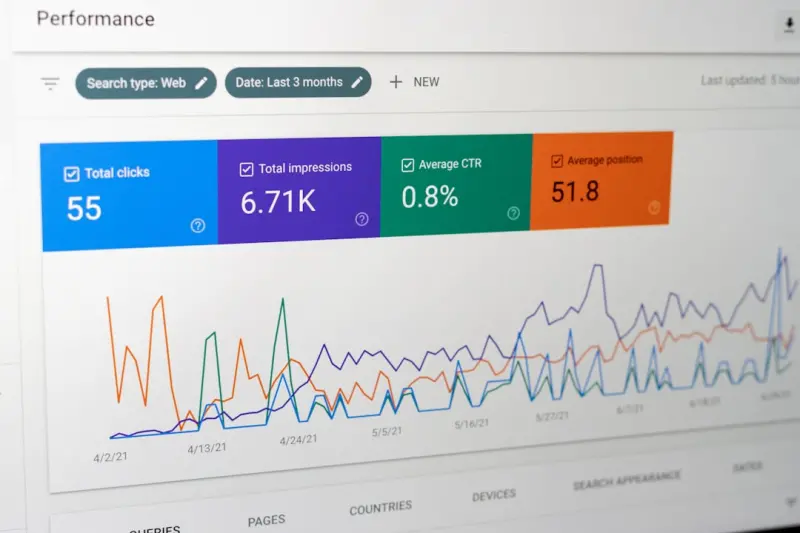
- Search Console & Keyword Tools: Export historic impressions, clicks, and average positions. Look for seasonal spikes that repeat year after year.
- Log File Analysis: Your server logs reveal what Googlebot actually crawls. By understanding crawl patterns, you can infer which parts of your site Google deems most important. For a deep dive, see our crawl budget analysis guide.
- Third‑Party Trend Platforms: Tools like Google Trends, AnswerThePublic, and emerging AI‑driven insight engines surface query surges in near real‑time.
- Product Usage Metrics: SaaS telemetry (feature adoption, onboarding funnels) often mirrors the language your customers use when searching for solutions.
- Competitive SERP Snapshots: Regularly capture competitor rankings for emerging topics. A sudden appearance of a new SERP feature can signal a shift worth betting on.
Machine Learning Made Manageable: Starting Small
You don’t need a PhD in data science to get predictive insights. Begin with these approachable techniques:
- Time‑Series Forecasting: Use simple models like Facebook’s Prophet or even Excel’s built‑in forecasting to predict next‑quarter search volume for core keywords.
- Keyword Clustering with Embeddings: Leverage free embeddings (e.g., GloVe) to group semantically similar queries, revealing latent topic clusters before they trend.
- Anomaly Detection: Set alerts for sudden spikes in impressions or crawl frequency—these often precede algorithm updates or new SERP features.
As you become comfortable, layer in more sophisticated models—random forests for feature importance, or deep learning for query‑to‑intent mapping. The goal is to create a feedback loop where predictions inform content, and performance data refines the model.
Aligning Predictive SEO With Product Roadmaps
SaaS companies live and die by the timing of product releases. Predictive SEO lets you time‑lock content to those releases. Imagine you’re about to launch a new AI‑driven analytics module. By analyzing search intent trends, you discover a surge in “automated data insights” queries six months before your release. You can:
- Seed early‑stage blog posts that introduce the problem space.
- Develop landing page copy that pre‑answers common questions.
- Create video tutorials optimized for emerging long‑tail queries.
When the product finally goes live, you already own a slice of the SERP, shortening the time it takes to capture qualified traffic.
Content Experimentation: The Predictive Lab
Traditional SEO content creation follows a linear workflow: keyword research → outline → write → publish. Predictive SEO adds a lab phase:
- Hypothesis Generation: Based on forecasted trends, hypothesize which topics will gain traction.
- Rapid Prototyping: Publish “micro‑content” (short guides, FAQs, interactive widgets) to test engagement.
- Data Capture: Track metrics like dwell time, scroll depth, and micro‑conversions.
- Iterate or Scale: If the prototype outperforms benchmarks, expand into a full‑fledged pillar page.
This agile approach mirrors SaaS product development—ship fast, learn fast, and double‑down on what works.
Technical Foundations: Edge‑First SEO and Crawl Efficiency
Predictive SEO isn’t just about content; it also hinges on a technically sound site that can absorb sudden traffic spikes. Leveraging a content delivery network (CDN) to serve assets from the edge reduces latency and signals to Google that your site offers a fast user experience. For a deeper dive, check out our edge‑first SEO tactics article.
Couple that with disciplined crawl budget management. When a new trend drives a surge in impressions, you want Google to crawl your fresh assets promptly. Regularly audit log files, prioritize high‑value URLs in your XML sitemap, and use noindex wisely to preserve crawl equity for the pages that matter most.
Measuring Success: KPIs That Matter for Predictive SEO
Traditional SEO dashboards focus on rankings and organic traffic. Predictive SEO adds a layer of forward‑looking metrics:
- Trend Capture Rate: Percentage of forecasted queries that you rank on the first page within a set timeframe.
- Content Lead Time: Days between trend detection and published content.
- Predictive Accuracy: Difference between forecasted search volume and actual volume after launch.
- Conversion Velocity: Speed at which new organic leads move through the SaaS funnel compared to baseline.
These KPIs close the loop between search intent, content delivery, and revenue impact, giving leadership concrete proof of the ROI of predictive SEO.
Risk Management: Avoiding the “Future Shock”
Predictive models are only as good as the data feeding them. Over‑reliance on a single signal—like a temporary surge on Google Trends—can lead to wasted resources. Mitigate risk by:
- Cross‑validating trends across multiple tools.
- Setting confidence thresholds (e.g., only act on forecasts with >80% confidence).
- Maintaining a “fail‑fast” mindset: allocate a small budget for experimental content, evaluate results within weeks, and pivot if needed.
Team Collaboration: Bridging SEO, Product, and Marketing
Predictive SEO works best when silos dissolve. Here’s a simple workflow to embed SEO insights into product planning:
- Monthly Trend Workshop: SEO leads present top 5 emerging queries to product managers.
- Feature‑Fit Mapping: Product teams assess whether upcoming features address identified search intent gaps.
- Content Calendar Sync: Marketing aligns blog, video, and case‑study production with the forecasted timeline.
- Launch Playbook Integration: SEO checklists become a mandatory step before any public product release.
When each department speaks the same predictive language, you turn search from a downstream afterthought into a strategic growth engine.
Looking Ahead: The Future Shape of Predictive SEO
As generative AI becomes more embedded in search (think AI‑generated snippets and conversational SERPs), the predictive horizon will expand. Soon, we’ll be forecasting not just keywords but AI intent pathways—the sequences of AI‑driven queries that lead users from problem recognition to solution purchase.
Preparing for that future means investing in:
- Semantic knowledge graphs that map product capabilities to evolving user intents.
- Real‑time data pipelines that ingest search, usage, and support tickets simultaneously.
- Cross‑functional AI ethics guidelines to ensure predictive models respect privacy and bias standards.
In short, predictive SEO is the bridge between today’s data and tomorrow’s search reality. For SaaS companies that thrive on staying ahead of the curve, mastering this bridge is no longer optional—it’s essential.
Take Action Today
Ready to turn foresight into traffic? Start with these three quick wins:
- Export the last 12 months of Search Console data and identify any quarterly spikes. Note the queries that rose sharply.
- Run a simple Prophet forecast on the top 10 high‑volume keywords to see where they’ll be in six months.
- Schedule a cross‑departmental workshop next week to align on the top forecasted trends and assign ownership.
When you couple these steps with a solid technical foundation—edge‑first delivery, efficient crawl budgeting, and a culture of rapid experimentation—you’ll not only capture emerging search demand but also position your SaaS brand as the authoritative answer before the competition even knows the question.

Kelly Reynolds is a dynamic freelance writer hailing from the picturesque landscapes of Alberta. A master of the written word, she juggles her passion for storytelling with the exhilarating chaos of being a mother to five spirited children. With an impressive portfolio that spans various genres, Kelly captivates readers through her engaging blog posts and thought-provoking articles.
Related Posts

The Human‑Centric SEO Playbook: Why Empathy Beats Algorithms
Learn why empathy-driven SEO outperforms traditional tactics, from mobile‑first design to crawl bu... Read More

SEO Strategy: Using Product‑Led Growth Metrics to Supercharge Your Rankings
Discover a fresh SEO strategy that leverages product‑led growth data—activation rates, retention... Read More

The Changing Landscape of SEO: What You Need to Know
The world of SEO is constantly evolving. Stay ahead of the curve with our expert insights on the cha... Read More
Top Posts

Predictive Partnerships: A Data‑Driven Blueprint for Modern Link Building
Traditional link building is stale—learn how predictive scoring, product-led collaborations, and customer success stories can generate high‑quality backlink...Read More
Navigating SERP Volatility: A Resilience Blueprint for Modern Marketers
Discover a proactive approach to SERP volatility, using AI forecasts, smart monitoring, and resilient content tactics to keep your rankings steady amid algorith...Read More
Human‑Centric Social Strategy: From Conversation to Conversion
Learn how to shift from broadcasting to listening, align social dialogue with revenue, and use mobile‑first tactics to turn authentic conversations into lasti...Read More

Micro‑Influencer Networks: A Secret Weapon for SaaS Demand Generation
Micro‑influencer networks, when chosen for relevance, reciprocity, and measurable impact, can become a powerful, low‑cost engine for SaaS demand generation,...Read More
0 Comments
Post Comment
You will need to Login or Register to comment on this post!