
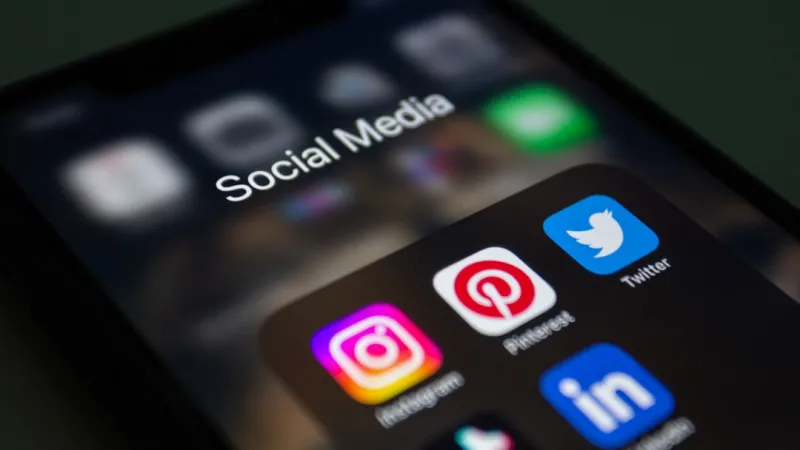
The Social Media Landscape in 2026
When I look back at the whirlwind of 2024 and 2025, I can’t help but feel that 2026 is the year the hype finally meets reality. Platforms have stopped treating users like data points and started listening—well, at least pretending to. From my front‑line experience, the biggest shift is the move toward authentic, community‑driven content that feels less like a broadcast and more like a conversation. Brands that try to force‑feed polished ads into feeds are being ghosted faster than a bad DM. The takeaway? Your social strategy must be as fluid as the algorithms that power it, and you need a voice that resonates with real human moments, not just trending hashtags. For a deeper dive into how we rode the social strategy wave last year, check out my 2024 playbook—the lessons are still relevant, only the platforms have evolved.
Algorithm volatility has become the new normal, and it’s no longer a surprise when a platform rolls out a change that upends your engagement metrics overnight. In 2026, the most successful marketers are those who treat every algorithm update as an opportunity rather than a threat. I’ve learned to read between the lines of each update, identifying the underlying intent: is the platform pushing more video, rewarding longer watch times, or favoring community interaction? By aligning your content pillars with these signals—whether it’s short‑form reels, live Q&A sessions, or community polls—you can stay ahead of the curve. Remember, the algorithm is not your enemy; it’s a gatekeeper that rewards relevance. If you can keep your audience genuinely interested, the algorithm will reward you in kind.
Short‑form video continues its meteoric rise, but the game has changed from “who can get the most views” to “who can create shareable moments that spark conversation.” The average user now spends less than 30 seconds on a video before deciding whether to scroll on or engage. That means the first three seconds are no longer a teaser—they’re the hook that must deliver value instantly. In my experience, videos that pose a genuine question, showcase a behind‑the‑scenes glimpse, or highlight a user‑generated story outperform polished brand ads by a wide margin. Pair that with strategic captions that encourage comments, and you have a recipe for virality that also builds community trust.
Community‑first strategies are the secret sauce behind sustainable growth. Micro‑influencers, once considered a niche tactic, have become the backbone of authentic outreach. Their audiences are smaller but fiercely loyal, and their recommendation power often eclipses that of macro‑influencers. When I partner with creators who genuinely love the product, the content feels organic, and the conversion rates reflect that authenticity. Moreover, building a brand‑owned community—be it a Discord server, a private Facebook group, or an Instagram Close Friends list—offers a direct line to your most passionate fans. These spaces become testing grounds for new ideas, product feedback loops, and even early‑access sales, turning casual followers into brand advocates.
Social commerce is finally maturing into an immersive experience, blurring the line between discovery and purchase. The integration of AR try‑ons, shoppable livestreams, and instant checkout buttons means users can move from inspiration to transaction without ever leaving the platform. This convergence aligns perfectly with the insights from Why 2026 Is the Year eCommerce Transforms Into an Immersive Experience, where the focus is on seamless, frictionless pathways. Brands that embed product tags directly into stories, reels, and even TikTok dances see higher conversion rates because the purchase decision happens in the moment of excitement. The key is to keep the checkout process as lightweight as possible—one tap, one swipe, and the order is placed.
Data privacy is no longer a checkbox; it’s a cornerstone of trust. With Apple’s ATT and Google’s privacy sandboxes reshaping the data landscape, marketers must pivot to first‑party data strategies. Collecting email sign‑ups, leveraging loyalty program insights, and encouraging users to opt‑in for personalized content are now essential tactics. This shift also impacts how we appear in search results, as highlighted in 2026 SERP Trends: What Marketers Must Know. By aligning your social signals—such as consistent branding, accurate NAP (Name, Address, Phone) data, and enriched schema—with your owned data, you improve both discoverability and credibility. The result is a virtuous cycle where privacy‑first practices boost user confidence, leading to higher engagement and better SERP performance.
Artificial intelligence is no longer a novelty; it’s a core component of content creation and distribution. AI‑generated captions, auto‑translated subtitles, and predictive posting times free up creative bandwidth, allowing teams to focus on storytelling rather than logistics. Yet, the human touch remains irreplaceable. I use AI to draft multiple caption variations, then select the one that feels most authentic to my brand voice. Personalization engines, powered by machine learning, now deliver hyper‑targeted content feeds—showing the right product to the right user at the right moment. When done responsibly, AI amplifies relevance without sacrificing the genuine connection that audiences crave.
Measuring ROI in a multi‑platform world demands new KPIs that go beyond vanity metrics. Traditional likes and follower counts tell a story, but they’re no longer sufficient to justify budget allocations. I focus on engagement depth (comments, shares, saves), conversion velocity (time from first touch to purchase), and lifetime value (LTV) of social‑acquired customers. Tools that integrate social analytics with CRM data provide a holistic view of how social interactions translate into revenue. By setting clear, outcome‑oriented goals—such as “increase shoppable video conversion by 15% Q3”—you can align teams, iterate quickly, and demonstrate tangible impact to stakeholders.
Looking ahead, the next frontier is immersive social experiences powered by AR and VR. Brands are experimenting with virtual showrooms, interactive filters, and 3D product placements that let users engage in a more tactile way. While still early, these technologies promise to deepen emotional connections and reduce the friction between curiosity and purchase. Early adopters who experiment now will gain a competitive edge as platforms roll out native AR shopping tools. Keep an eye on emerging standards, partner with developers who understand your brand aesthetic, and start small—perhaps a branded filter that drives user‑generated content before scaling to full‑blown virtual experiences.
In closing, the social media terrain of 2026 rewards those who blend authenticity, technology, and community insight. The landscape is fast, but it’s also fertile for brands willing to listen, adapt, and innovate. Embrace short‑form video with purpose, nurture micro‑influencer partnerships, invest in privacy‑first data, and explore immersive experiences before they become mainstream. Your audience is already waiting—give them the real, engaging moments they crave, and watch your brand flourish in the ever‑evolving social sphere.

William Roy is a freelance writer originally from Montreal who moved to Ottawa with his wife of 50 years to be closer to their grandkids. Alongside his writing, William has a passion for fishing.
Related Posts
Predictive Social Funnels: Using Real‑Time Data to Outsmart the Algorithm
Discover a data‑driven framework that transforms social media from a noisy channel into a predicti... Read More

Turning Social Listening into a Content Engine that Dominates Feeds
Learn the art of turning real‑time social listening into a relentless content engine—boosting en... Read More
Why Empathy is the Superpower Behind Modern Social Media Marketing
Explore the rise of empathy in social media marketing, learn actionable tactics for authentic storyt... Read More
Top Posts

How Social Listening Fuels SaaS Innovation and Growth
Social listening isn’t just about tracking mentions; it’s a strategic engine that uncovers real‑time customer pain points, informs product roadmaps, and d...Read More

Hyperlocal SERP Mastery: Winning the 5‑Mile Radius Game
A fresh playbook reveals how hyperlocal SERP features, real‑time inventory feeds, and community‑driven content can turn the 5‑mile radius into a gold mine...Read More
Why SERPs Are the New Battlefield: Tom Ferguson’s 2024 Playbook
Tom Ferguson breaks down the 2024 SERP evolution, from AI-powered snippets to mobile‑first dominance, offering actionable strategies to win the new search bat...Read More

Technical SEO in 2024: An Empathy‑Driven Blueprint for Ranking Success
Learn why a human‑centric approach to technical SEO, covering crawl budget, schema, and mobile‑first strategies, is the key to modern ranking success....Read More
0 Comments
Post Comment
You will need to Login or Register to comment on this post!