

When I first walked into a downtown coworking space with a coffee‑stained notebook and a head full of SaaS growth ideas, I realized I was missing a crucial piece of the puzzle: my own office’s digital curb‑appeal. Most SaaS founders obsess over product‑market fit, funnel metrics, and viral loops, but they often overlook the fact that a thriving local presence can be a secret catalyst for inbound leads—especially when you have a physical office, a support hub, or a community event space.
Why Google Business Profiles (GBP) Are No Longer Optional for SaaS
Google Business Profiles—formerly Google My Business—have evolved from a simple “address + phone” listing into a dynamic, data‑rich platform that feeds directly into Google Maps, the local pack, and even the Knowledge Panel. For SaaS companies, a well‑optimized GBP can:
- Boost credibility. Prospects see a verified address, operating hours, and authentic reviews, which reduces friction before they even click a link.
- Drive hyper‑local traffic. When a potential client searches “CRM software near me,” a strong GBP can appear above generic SERPs.
- Feed the zero‑click ecosystem. Even if the user doesn’t click, the instant answer boxes and map snippets increase brand exposure.
In short, a polished GBP is the digital front door that invites local prospects to step inside your virtual office.
Beyond the Basics: Advanced GBP Tactics That Matter
Most teams nail the fundamentals: correct NAP (Name, Address, Phone), business category, and a handful of photos. But the real ROI hides in the details most marketers ignore.
1. Leverage Multiple Categories Strategically
Google allows up to 10 categories. Instead of picking just “Software Company,” layer in niche descriptors like “Customer Relationship Management (CRM) software,” “Project Management SaaS,” and “Enterprise Resource Planning (ERP) solution.” This signals relevance across a broader set of search intents.
2. Publish Frequent, Structured Posts
GBP posts act like micro‑blog entries that appear in local packs. Use them to announce webinars, product releases, or office events. Each post can contain a call‑to‑action, a link, and a custom image—all indexed by Google. Consistency matters: aim for at least two posts per week.
3. Optimize the “From the Business” Section
Think of this as your elevator pitch for local search. Include target keywords naturally (e.g., “AI‑driven analytics platform for mid‑market firms”) and a compelling value proposition that differentiates you from generic “software solutions.”
4. Harness the Power of Q&A
Google’s Q&A feature can become a curated FAQ. Seed the section with high‑impact questions—like “Does this SaaS integrate with Slack?”—and answer them with concise, keyword‑rich replies. Not only does this pre‑empt user queries, it also adds fresh content for Google to index.
5. Add Rich Media: 360° Tours and Video
Even if you’re a purely digital product, showing your office culture through a 360° tour or a short “Meet the Team” video can humanize your brand. These assets appear in the Knowledge Panel and can increase dwell time on your profile.
Turning Reviews into a Local Authority Engine
Reviews are the lifeblood of local SEO, and SaaS companies often underestimate their impact. While B2B buyers may not leave a five‑star rating for a cloud platform, they do for the experience of working with your support team, attending your workshops, or using your API.
- Prompt Review Requests. After a successful onboarding call or a resolved ticket, automatically email a short request linking directly to your GBP review form.
- Showcase Testimonials. Highlight glowing client quotes in your GBP “Highlights” section. This not only builds trust but also seeds keyword variations.
- Respond to Every Review. Whether the feedback is positive or negative, a thoughtful response signals engagement and can improve rankings.
Pro tip: Use a support ticket mining strategy to surface recurring praise and turn it into review prompts.
Geo‑Targeted Content & Landing Pages: The Missing Link
Local SEO isn’t just about a profile; it’s about delivering location‑specific value. Here’s how to align your website with your GBP:
1. Create City‑Specific Landing Pages
Each office location deserves a dedicated page that includes:
- Unique header tags with city and service keywords.
- Embedded Google Maps widget pointing to your office.
- Local testimonials and case studies.
These pages should be interlinked from your main “Locations” hub and from relevant blog posts.
2. Use Structured Data for Local Business
While we’ve covered Structured Data elsewhere, applying the LocalBusiness schema to each city page sends a clear signal to Google about your physical presence. Include opening hours, address, and a “sameAs” link back to your GBP.
3. Align Content Topics with Local Search Intent
Think beyond generic “SaaS solutions.” What does a marketer in Austin ask? “Best CRM for music festivals?” Use tools like Google Trends and local keyword planners to discover hyper‑local queries, then craft blog posts or guides that answer them. This strategy dovetails nicely with the Micro‑Local Content Hubs approach but focuses specifically on linking those hubs back to your GBP and city pages.
Integrating Voice Search and Mobile‑First Indexing
Local searches are increasingly voice‑driven: “Find a project management tool near me.” Voice assistants pull data from GBP and the “People Also Ask” box. To capture this traffic:
- Write conversational FAQs on your city pages.
- Include natural language variations of your target keywords.
- Ensure your site loads in under three seconds—mobile‑first users won’t wait.
By aligning your content with the way users speak, you improve both voice and traditional SERP visibility.
Measuring Success: KPIs That Matter for Local SaaS SEO
Tracking progress is essential. Here are the top metrics you should monitor:
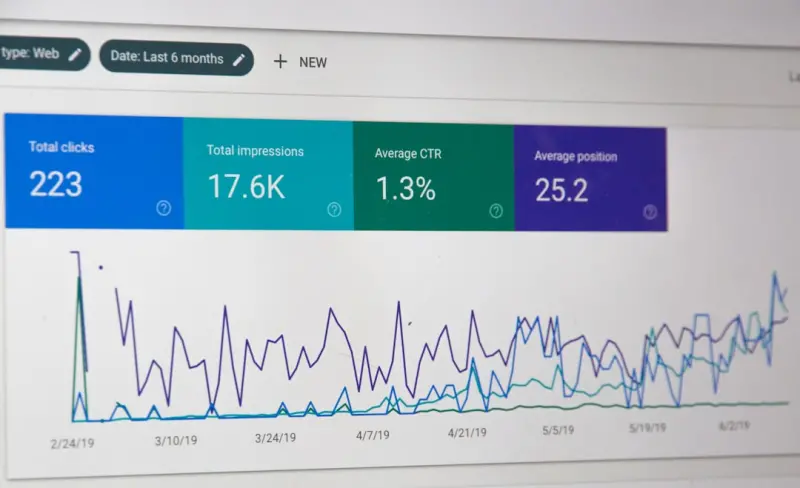
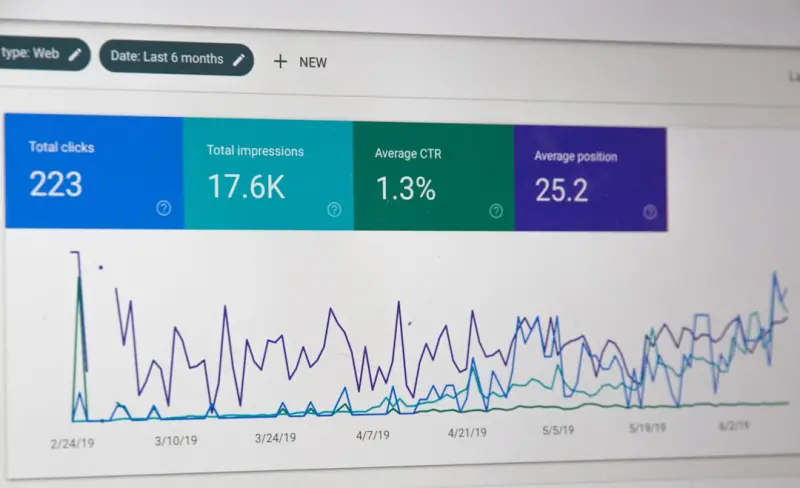
- Local Pack Impressions. Use Google Search Console’s “Performance > Search Appearance > Local Pack” report.
- GBP Click‑Through Rate (CTR). Available in the Google Business Profile dashboard.
- Review Volume & Sentiment. Track the number of new reviews per month and average star rating.
- Organic Traffic from City Pages. Segment in Google Analytics by landing page URL.
- Leads Generated. Tie UTM parameters to GBP posts and city page forms to attribute conversions.
Set quarterly goals for each KPI and adjust your tactics based on real‑world performance.
Case Study: From Invisible to Top‑3 in the Local Pack
One of our SaaS clients, a niche HR platform, had a single office in Denver. Their GBP was barely populated, and they weren’t showing up for local searches. Over a 12‑week sprint we:
- Optimized categories and added 5 new niche categories.
- Published bi‑weekly GBP posts highlighting local webinars.
- Launched a dedicated Denver landing page with client case studies.
- Implemented a post‑support review request workflow.
- Added a 360° office tour video.
The results? Within two months they jumped to the #2 spot for “HR software Denver,” saw a 38% lift in local organic traffic, and generated 12 qualified leads directly attributed to the GBP.
Putting It All Together: Your Local SEO Playbook
Here’s a concise checklist to keep you on track:
- Verify and claim all business locations in Google Business Profile.
- Choose a primary category and supplement with up to 9 niche categories.
- Upload high‑quality photos weekly; add a 360° tour.
- Publish at least two GBP posts per week with clear CTAs.
- Seed and answer at least five Q&A entries per month.
- Request reviews after key touchpoints; respond to every review.
- Build city‑specific landing pages with LocalBusiness schema.
- Create hyper‑local content that mirrors voice‑search queries.
- Monitor local pack impressions, GBP CTR, review metrics, and city page traffic.
- Iterate monthly based on KPI trends.
When you treat your Google Business Profile as an active marketing channel—not a static directory listing—you unlock a pipeline of local prospects, brand trust, and SEO authority that traditional inbound tactics simply can’t match.
Ready to turn your office into a magnet for nearby leads? Start with the basics, then layer on these advanced tactics, and watch your local visibility—and your pipeline—grow exponentially.

Paula Wright writes from her home in Toronto Ontario, where she lives with her husband, Steve, and their two children. Driven by curiosity and a passion for storytelling, Paula loves to uncover the "why" and "how" behind every topic she covers. Her writing is fueled by her adventures; when she’s not at her desk, you’ll find her out on the road, camping under the stars, or wandering a new trail. Paula brings a sense of discovery and a fresh, real-world perspective to everything she writes for us.
Related Posts
Micro‑Targeted Local SEO: Winning SaaS Customers One Zip Code at a Time
Discover a fresh approach to local SEO that focuses on zip‑code level targeting, creating hyper‑... Read More
Why Local SEO is More Important Than Ever for Small Businesses
Local SEO is more important than ever for small businesses. Learn how to optimize your online presen... Read More
Turning Local Partnerships into SEO Powerhouses for SaaS
Explore a fresh, actionable approach to local SEO for SaaS companies by building and leveraging comm... Read More
Top Posts

The Local SEO Lab: Experimenting with Data‑Driven Neighborhood Dominance
A step‑by‑step guide to turning a small business into a neighborhood authority using a data‑driven “Local SEO Lab” framework, from mapping search inte...Read More

Gamified Social Loyalty: Turning Interaction into Earned Trust
Learn to design game‑based social rewards that resonate, drive authentic advocacy, and turn casual engagement into lasting brand trust....Read More

Visual Storytelling Secrets: Boosting Local SEO with Community‑Generated Content
Learn to turn customer photos and videos into powerful SEO assets, optimize your Google profile with structured image data, and future‑proof your local presen...Read More

Mastering Crawl Budget: The Unsung Hero of SaaS SEO
A deep dive into crawl budget reveals why many SaaS sites struggle with indexing fresh content and how strategic sitemap design, server speed improvements, and ...Read More
0 Comments
Post Comment
You will need to Login or Register to comment on this post!