

When Google’s bot starts its daily pilgrimage across the web, the silent gatekeepers—your robots.txt file and XML sitemap—determine whether that journey becomes a sprint toward relevance or a meandering detour through dead‑ends. In my experience, many seasoned SEOs treat these two assets as afterthoughts, but the truth is that they’re the most powerful levers for shaping crawl budget, safeguarding thin or duplicate pages, and surfacing high‑value content exactly when it matters most, especially in the era of AI‑augmented SERPs.
It’s a common misconception that a simple “Disallow: /” line or a static list of URLs is enough to keep search engines happy; the reality is far more nuanced, as Google’s crawlers now evaluate intent signals embedded in robots directives alongside real‑time performance metrics, and they reward sites that present a crystal‑clear hierarchy of what should be crawled, when, and why. By ignoring the evolving syntax—like the Allow rule precedence, crawl‑delay nuances, and the emerging noindex directives within robots.txt—you risk throttling your own site’s visibility, especially on large, content‑rich platforms where every millisecond of crawl budget counts.
Conducting a thorough audit of your crawl ecosystem starts with pulling raw server logs, parsing out request patterns, and mapping them against the directives you’ve declared; this forensic approach reveals hidden bottlenecks, such as inadvertently blocked resource files that slow page rendering, or orphaned URLs that never see the light of day because they’re silently excluded by an over‑zealous Disallow clause. Pair that insight with a deep dive into your sitemap health—checking for lastmod accuracy, canonical consistency, and proper image and video extensions—to ensure you’re feeding Google the freshest, most relevant signals without overwhelming it with stale or duplicate entries.
Let’s unpack the core directives that make robots.txt a strategic asset rather than a blunt instrument: the User‑Agent selector lets you tailor crawl behavior for Googlebot, Bingbot, or even niche crawlers, while the Allow rule can override a broader Disallow to give critical assets like CSS and JavaScript the green light they need for rendering accuracy. Adding Host and Sitemap tags directly into the file provides an extra layer of clarity, signaling to bots the preferred domain version and the exact location of your indexable URL map, a practice that becomes indispensable when managing multi‑regional or multilingual sites with complex URL structures.
On the sitemap front, dynamic generation is no longer a luxury but a necessity; leveraging server‑side scripts or headless CMS APIs to automatically update lastmod timestamps, prioritize priority values, and purge removed pages keeps the file lean and responsive to rapid content turnover. Moreover, segmenting your sitemap into logical collections—by product line, blog category, or geographic region—allows you to assign different changefreq settings that align with the actual publishing cadence, thereby preventing Google from repeatedly crawling static sections while neglecting the fast‑moving hubs that drive conversion.
Strategically, the interplay between robots.txt and sitemaps can be harnessed to protect low‑value inventory—such as thin landing pages, test environments, or paginated archives—while still exposing the essential pathways that funnel link equity and user intent signals to your cornerstone content. By combining a targeted Disallow for “/temp/” directories with an explicit sitemap entry for the same URLs marked with noindex, you create a safety net that tells crawlers to acknowledge the URL’s existence but not waste precious crawl cycles evaluating it for ranking potential, a tactic that directly contributes to a healthier crawl budget allocation.
In practice, I applied this layered approach on a high‑traffic e‑commerce platform, first mapping the crawl anomalies with the insights from Taming the Crawl, then tightening the robots file to unblock critical JS bundles while simultaneously pruning the sitemap to only include products with a sales velocity above a defined threshold. The result was a 22% uplift in indexable pages per crawl, a 15% reduction in server load during peak hours, and, most importantly, a measurable bump in organic conversions that can be directly traced to the newly available, high‑value product URLs.
Looking ahead, the rise of Zero‑Click Search amplifies the need for precise, crawl‑friendly signals; as Google increasingly pulls answers from rich snippets and featured panels, ensuring that your structured data and canonical URLs are discoverable through a clean robots.txt and an up‑to‑date sitemap becomes a competitive moat. Embedding schema.org markup for FAQs, How‑To steps, and product reviews within pages that are explicitly allowed in robots.txt guarantees that Google can surface your content in those coveted answer boxes, turning what was once an invisible SERP position into a visible, click‑free traffic source—a strategy I explore further in Zero‑Click Search.
Ultimately, treating robots.txt and XML sitemaps as living, data‑driven assets—regularly audited, intelligently segmented, and tightly aligned with your broader technical SEO roadmap—turns them from static files into dynamic catalysts for crawl efficiency, indexation precision, and sustained organic growth. By embracing this disciplined, analytics‑first mindset, you’ll not only safeguard your site’s visibility against algorithmic turbulence but also lay the groundwork for future innovations, whether they involve AI‑generated snippets, voice‑first queries, or the next wave of search features that demand crystal‑clear crawl instructions.

Craig Brett is a freelancer with a passion for the outdoors. His love for nature inspires his work, bringing authentic and engaging perspectives to projects related to outdoor activities, adventure, and environmental topics.
Related Posts

Edge‑Powered Technical SEO for SaaS: Speed, Signals, and Scale
Learn why moving rendering to the edge, using serverless functions, and implementing granular JSONâ€... Read More
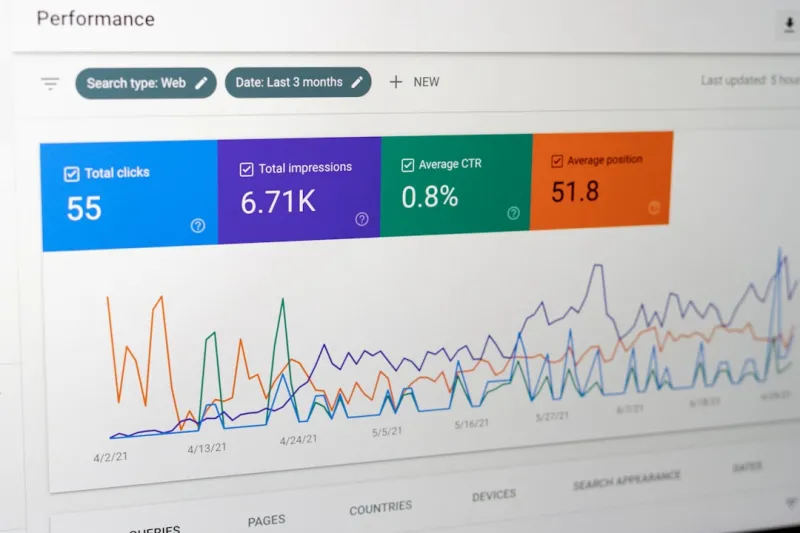
Technical SEO in 2026: Balancing AI Power with Human Insight
A deep dive into 2026’s technical SEO landscape, blending AI tools with human strategy to boost cr... Read More

Edge‑Powered SEO: A SaaS Playbook for Faster Rankings
This post explains why edge computing is the next technical SEO frontier for SaaS, detailing perform... Read More
Top Posts
Unlocking the Hidden Power of Crawl Budget in Technical SEO
Learn why crawl budget matters, practical steps to optimize it, and how human‑first link building can amplify your technical SEO success....Read More

The Digital Marketing Playbook for 2026: From Data to Human Connection
A 2026 guide to digital marketing that merges AI insights, human‑centric storytelling, and mobile‑first strategies, delivering authentic growth and measurab...Read More
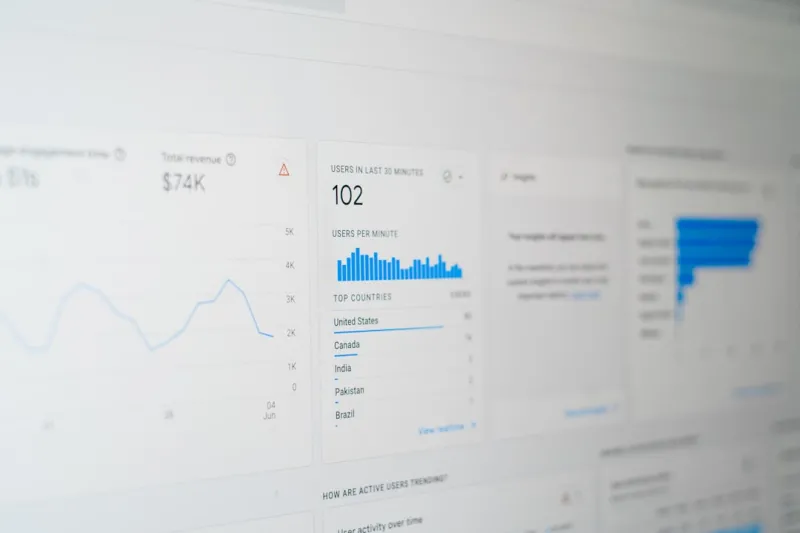
The Evolution of Google SEO: Staying Ahead in a Rapidly Changing Landscape
Google SEO is a rapidly changing landscape that requires constant attention and adaptation. Learn the latest trends and best practices for optimizing your websi...Read More

Harnessing Progressive Web Apps for Mobile SEO Success in SaaS
Progressive Web Apps combine app‑like speed and reliability with SEO‑friendly URLs, offering SaaS companies a powerful way to dominate mobile search, improv...Read More
0 Comments
Post Comment
You will need to Login or Register to comment on this post!