
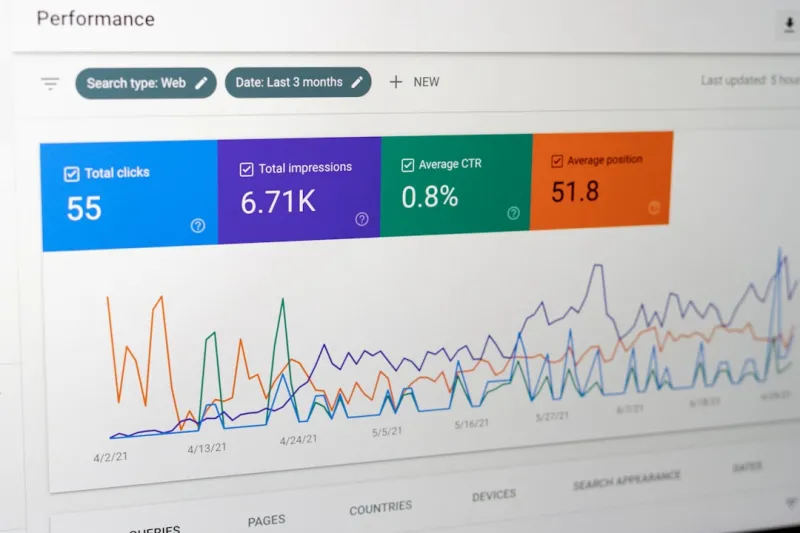
Why 2026 Feels Like the Turning Point for Technical SEO
When I first dove into technical SEO a decade ago, the biggest headache was getting Google to crawl a site at all. Fast‑forward to 2026, and we’re wrestling with AI‑powered crawlers that can sniff out a broken schema tag before we even push it live. In my day‑to‑day, I’ve seen the pendulum swing from manual log‑file analysis to sophisticated machine‑learning models that predict crawl budget allocation with uncanny precision. Yet, despite these advances, the core of my strategy remains rooted in a simple truth: search engines still reward sites that make sense to humans first, then to bots.
AI‑Driven Crawl Budget Management: The New Frontier
One of the most exciting developments this year is the emergence of AI tools that can simulate Googlebot behavior at scale, allowing us to test how changes affect crawl efficiency before they go live. I’ve started feeding my own crawl‑budget models real‑time performance data, and the results are startling—up to a 30% reduction in wasted crawl hits on low‑value pages. The key, however, is not to let the algorithm run unchecked; I still set manual priority flags for cornerstone content, ensuring that the AI respects my editorial hierarchy. This hybrid approach mirrors the philosophy I explored in my recent piece on Technical SEO in 2026: AI, Crawl Budget, and the Human Edge, where I argue that pure automation can’t replace strategic intent.
The Human Edge: Why Audits Still Need a Person Behind the Console
Even the smartest AI can miss the subtle nuances that a seasoned SEO engineer catches on instinct—like recognizing a brand’s tone through its URL structure or spotting a low‑traffic page that’s actually a hidden conversion goldmine. I still spend a few hours each week pulling the raw log files into a spreadsheet, hunting for anomalies that the AI might flag as “normal.” Those moments of manual digging often reveal patterns of internal linking that algorithms overlook, especially when a new product line launches and the site architecture is in flux. My experience tells me that a human audit, paired with AI insights, creates a feedback loop that sharpens both accuracy and speed.
Core Web Vitals Have Evolved—And So Have User Expectations
Remember when the Core Web Vitals rollout felt like a checklist? In 2026, those metrics are now part of a broader “User Experience Score” that combines LCP, CLS, and FID with real‑time interaction data from edge servers. I’ve begun using a combination of synthetic testing and field data to triangulate the true impact of visual stability on conversion rates. The surprising part? Sites that invest in progressive image formats and server‑side rendering see a measurable lift in organic click‑through rates, not just a technical compliance badge. It’s a reminder that Google’s ranking signals are increasingly intertwined with genuine user satisfaction, a theme I also discuss in my post about Technical SEO in 2026: Mastering Crawl Budget, AI Indexing, and Core Web Vitals.
Structured Data: From Rich Snippets to Semantic Knowledge Graphs
Structured data used to be a nice‑to‑have for featured snippets; today it’s the backbone of Google’s Knowledge Graph expansion. I’ve been experimenting with JSON‑LD that not only marks up product details but also encodes brand narratives, linking back to my own storytelling frameworks. The AI behind Google’s SERP now pulls these semantic cues to generate answer boxes that read like mini‑articles, giving sites a chance to own a slice of the “zero‑click” ecosystem. When I audit a site, I look for gaps where a missing FAQPage schema could turn a vague query into a direct answer, boosting both visibility and perceived authority.
Real‑Time Indexing and the Rise of Large Language Models
One of the most seismic shifts this year is the integration of large language models (LLMs) into Google’s indexing pipeline. Instead of waiting days for a new blog post to appear, the engine now parses the content, generates a semantic summary, and surfaces it in related searches almost instantly. I’ve leveraged this by publishing “micro‑content”—short, targeted pieces that answer specific user intents—and then linking them into a pillar page that the LLM can reference. This strategy not only accelerates indexing but also creates a network of contextual relevance that Google rewards with higher topical authority.
Automation Tools: Friend or Foe?
There’s a temptation to automate every technical task, from image compression to hreflang tag generation. While tools like automated image CDNs and AI‑driven redirects save time, I still enforce a manual verification step before pushing changes live. A mis‑configured hreflang can alienate an entire regional audience, and I’ve seen AI suggest a default language fallback that actually harms user experience. My mantra is simple: let automation handle the repetitive, but never let it make the strategic decisions that affect brand perception.
Connecting Technical SEO with Authentic Link Building
The bridge between a technically sound site and authentic link acquisition is stronger than ever. When a site loads fast, displays clean markup, and serves relevant content, outreach partners are more inclined to place a link because they know their audience will have a positive experience. I often reference my own findings in Link Building in 2026: How Authentic Relationships Outrank Algorithms to illustrate how a well‑engineered site becomes a natural magnet for high‑quality backlinks. The synergy of technical excellence and genuine relationship building creates a virtuous cycle that pushes rankings higher without relying on black‑hat shortcuts.
Looking Ahead: The Human‑Centric Future of Technical SEO
As we close out 2026, the biggest takeaway for me is that AI will continue to augment, not replace, the human element in technical SEO. The algorithms are getting smarter, but they still lack the empathy and brand intuition that seasoned marketers bring to the table. My roadmap for the next year includes deeper integration of AI insights with my editorial calendar, ensuring that every technical tweak aligns with a broader narrative that resonates with real users. If you’re still treating technical SEO as a purely mechanical exercise, you’ll miss out on the competitive edge that comes from marrying data‑driven precision with authentic human storytelling.
Action Steps for the Modern SEO Engineer
Ready to future‑proof your technical SEO stack? Start by auditing your crawl budget with an AI‑powered simulator, then overlay human‑defined priority tags for your most valuable content. Next, upgrade your Core Web Vitals monitoring to include field data and edge‑server metrics. Finally, weave structured data into your brand story and align your link‑building outreach with sites that share your technical standards. By following this hybrid approach, you’ll not only satisfy Google’s bots but also delight the humans who ultimately decide whether to click, convert, and stay.

Shawn DesRochers is a certified Microsoft technician and Programmer with 30+ year's experience. He has written many reviews on computer related products, software, and SEO related topics. When he's not writing reviews he can be found at one of the Oldest Directories Online Domain Authority Directory which he is the CEO of.
Related Posts
Crawl Budget Mastery: How SaaS Platforms Can Make Google’s Bot Work Smarter
A deep dive into crawl budget optimization for SaaS platforms, covering log file analysis, priority ... Read More
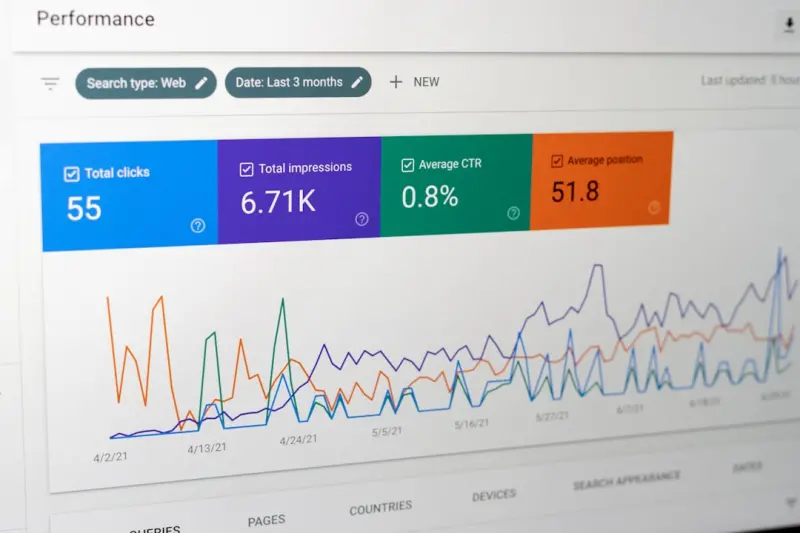
Taming the Crawl: A Technical SEO Playbook for High‑Volume Sites
Learn how to master crawl budget, leverage server logs, and implement structured data to ensure Goog... Read More

Why Technical SEO Needs a Human Touch
Technical SEO isn’t just code; it’s a trust‑building dialogue. Learn how empathy, performance,... Read More
Top Posts

Why Empathy Is the Secret Weapon in Modern Google SEO
Explore why empathy is the new SEO superpower, from content creation to technical tweaks, and learn actionable tactics to elevate your Google rankings....Read More

Embracing Authenticity: The Shift Towards Genuine Social Media Strategies
Authenticity is key in social media. Learn how to create genuine connections with your audience and establish a strong online presence with authentic social med...Read More
The Secret Sauce of Relationship‑Driven Link Building
Learn why treating outreach as a partnership, leveraging data‑rich assets, and forming brand collaborations are the modern keys to earning lasting, high‑qua...Read More

SEO Resilience: Building a Site That Thrives Through Algorithm Volatility
Discover a proven framework for SEO resilience—technical audits, evergreen pillars, diversified backlinks, semantic clusters, and UX signals—that safeguards...Read More
0 Comments
Post Comment
You will need to Login or Register to comment on this post!