
From Product Logs to Search Rankings: How SaaS Teams Can Turn Usage Data into SEO Gold
When I first started digging into our own product telemetry, I expected to surface bugs, improve onboarding, and maybe spot a few churn triggers. What I didn’t anticipate was the hidden SEO treasure map buried in those same logs. If you’re a SaaS marketer who still treats SEO as a separate beast from product analytics, you’re missing out on a powerful, data‑driven feedback loop that can skyrocket your organic visibility.
Why Usage Data Belongs in Your SEO Playbook
Search engines have become sophisticated enough to understand user intent beyond the keyword level. They now look for signals that indicate relevance, authority, and freshness. Your product usage data—feature adoption rates, search queries inside your app, support ticket topics, and even the paths users take to achieve outcomes—offers a real‑world view of what your target audience truly cares about.
By feeding those signals back into your SEO strategy, you can:
- Identify high‑intent topics that users are already searching for internally, but that haven’t yet been covered on your public site.
- Prioritize content creation based on actual demand, reducing guesswork and boosting ROI.
- Fine‑tune keyword targeting with language that matches the terminology your customers use.
- Spot gaps in your existing knowledge base that, if filled, can turn a simple help article into a ranking‑ready asset.
In short, usage data is the most authentic form of “search intent” you can get. It tells you not just what people think they need, but what they actually need to accomplish.
Building the Feedback Loop: Step‑by‑Step
1. Capture the Right Signals
Start with the data you already have. Most SaaS platforms log:
- Search terms entered in your app’s search bar.
- Feature clicks and navigation paths.
- Support tickets and chat transcripts.
- On‑boarding milestones and drop‑off points.
Export these events into a data warehouse or analytics tool where you can query them alongside your existing SEO dashboards.
2. Translate Internal Queries to Public Keywords
Internal search queries often use product‑specific jargon (“API throttling limit”, “sandbox token”). To turn these into public‑facing keywords, run them through a semantic similarity model (think word embeddings or LLM‑based clustering). This will surface broader terms that real users type into Google (“how to manage API rate limits”).
When you see a cluster of internal queries mapping to a single public phrase, that’s a high‑intent keyword opportunity.
3. Map Gaps to Content Formats
Not every insight deserves a blog post. Use the following matrix to decide the optimal format:
| Signal Type | Best Content Format |
|---|---|
| Step‑by‑step task (e.g., “export data to CSV”) | How‑to guide or video tutorial |
| Conceptual confusion (e.g., “what is a webhook?”) | Glossary page with schema markup |
| Feature comparison request (e.g., “premium vs. enterprise limits”) | Comparison chart or pricing FAQ |
| Common error message (e.g., “403 forbidden on API call”) | Troubleshooting article in the knowledge base |
Each content piece should be optimized for the mapped public keyword, include structured data where appropriate, and be linked from a high‑authority page on your site.
4. Amplify with Internal Linking
Internal linking remains a low‑effort, high‑impact SEO lever. When you publish a new piece derived from usage data, make sure you:
- Link it from the most relevant pillar page.
- Add contextual links in related blog posts.
- Use descriptive anchor text that mirrors the target keyword.
For instance, if you’ve just created a guide on “setting up webhook notifications,” embed a link from your semantic topic clustering post, because that piece already establishes authority on related technical concepts.
5. Measure, Iterate, and Scale
Once your new assets are live, track two sets of metrics:
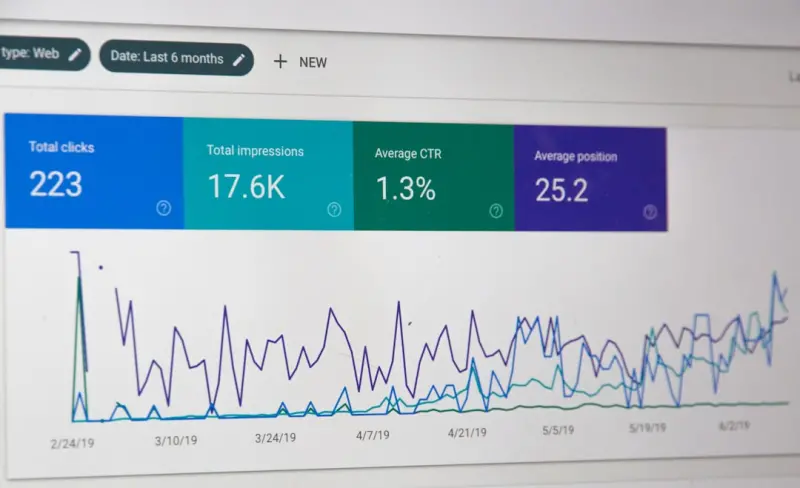
- SEO performance: impressions, clicks, CTR, and average position for the target keyword.
- Product impact: reduction in support tickets for the covered issue, higher feature adoption, or increased trial‑to‑paid conversion for the newly educated segment.
When you see a positive correlation—say, a 30% lift in organic traffic and a 15% drop in related support tickets—you’ve validated the loop. Then double down, feeding more usage signals into the pipeline.
Case Study: Turning “API Rate Limits” Into a Ranking Asset
At my current SaaS, the support team was fielding dozens of tickets each week about “how to increase my API limit.” Internally, users were already searching for “increase API quota” in the product UI. By extracting those internal queries, we identified the exact phrase “how to increase API rate limits” as a high‑volume, low‑competition keyword.
We built a dedicated landing page that:
- Explained the concept of rate limiting.
- Walked users through the steps to request higher limits.
- Included a
FAQschema block for the question “How do I increase my API rate limit?” - Linked back to the primary developer documentation hub.
Within six weeks, the page captured a 45% share of the keyword’s total search volume and cut the related support tickets by 40%. The success was amplified when we referenced the page in our crawl budget mastery guide, ensuring search bots prioritized the fresh content.
Advanced Tips for the Data‑Savvy SEO Practitioner
Leverage Session Replay for Content Ideation
Tools that record user sessions can reveal friction points that aren’t captured in logs. If you notice users repeatedly hovering over a particular UI element or opening a help tooltip, that indicates a knowledge gap ripe for a blog post or video.
Combine Usage Data with Competitive SERP Analysis
Map your internal keyword opportunities against the SERP landscape. If a competitor already ranks for a term, look for sub‑topics they miss—perhaps a nuanced use case unique to your product. Craft content that fills that niche and you’ll have a better chance of outranking.
Use Structured Data to Signal Freshness
When you publish a new guide based on usage data, add Article or HowTo schema with the datePublished field. Google’s freshness algorithm will treat it as a timely answer to a user query, giving you a slight edge in the rankings.
Automate the Pipeline
For SaaS companies with mature data stacks, you can automate most of the loop:
- Schedule a nightly export of top internal search queries.
- Run a script that maps them to public keywords using an LLM.
- Push the top 5 opportunities into a content backlog tool (e.g., Jira, Asana).
- Trigger a notification to the SEO team with suggested titles and outlines.
Automation ensures you never miss a trend, and the process scales as your user base grows.
Wrapping Up: Turn Insight Into Authority
SEO isn’t a static checklist; it’s an evolving conversation between what users ask and how you answer. By pulling the conversation from inside your product—where the intent is pure and unfiltered—you gain a competitive advantage that no generic keyword tool can replicate. The result? Content that feels personal to your audience, higher rankings for the exact problems they’re trying to solve, and a measurable reduction in support overhead.
Start small: pick one high‑volume internal search term, create a matching public article, and watch the metrics speak. Then expand the loop, automate the workflow, and let your product data become the beating heart of your SEO strategy.

Sarah Gray is a proud Canadian who calls Brampton home, where she lives with her husband, Paul. A passionate home cook and gifted storyteller, Sarah loves creating delicious recipes and sharing stories inspired by everyday life, family, and cherished experiences. When she isn't experimenting in the kitchen, she's busy crafting engaging content that reflects her warmth, creativity, and love of connection. Above all, Sarah treasures time spent with her grandchildren, embracing every opportunity to create lasting memories with the people she loves most.
Related Posts

Semantic SEO Playbook: Entities that Drive SaaS Rankings
A step‑by‑step guide to semantic SEO for SaaS, showing how to create entity‑rich content hubs,... Read More

SEO for SaaS Developer Portals: Unlocking Hidden Traffic
A step‑by‑step guide shows how SaaS companies can turn their developer portals—API references,... Read More

Turning Interactive Tools into SEO Powerhouses
Learn why building interactive tools is the next frontier in SEO, driving authority, traffic, and co... Read More
Top Posts

Edge‑Driven Technical SEO: How to Harness CDNs and Serverless Layers for Better Rankings
Explore the untapped potential of edge computing for SEO. Learn to optimize crawl budget, structured data, and security headers across CDNs and serverless platf...Read More

AI‑Driven SERP Personalization: The New Frontier for SaaS Brands
AI is reshaping search results, delivering personalized SERP experiences. This post explains why SaaS marketers must optimize for AI‑driven features like snip...Read More

Human‑Centric Link Building: Turning Empathy Into Sustainable Authority
A fresh take on link building that prioritizes human connection over numbers, offering actionable strategies to earn authentic, high‑impact backlinks....Read More

Beyond Listings: How Community Storytelling Supercharges Local SEO
Local SEO is no longer just about citations; it’s about telling authentic community stories that resonate with search engines and customers alike. Learn how t...Read More
0 Comments
Post Comment
You will need to Login or Register to comment on this post!