

Why Link Building Is No Longer About Numbers Alone
When I first dove into link building, I treated every outreach email like a transaction—count the links, tally the domain authority, and move on. Over time I realized that the most durable backlinks don’t come from cold spreadsheets but from genuine conversations that respect the human behind the website. This shift from a purely metric‑driven mindset to a human‑centric approach has transformed my results, turning fleeting mentions into lasting partnerships. In today’s crowded digital landscape, search engines reward authenticity, and users reward relevance, so the old “spammy” tactics are not only ineffective but risky. By re‑imagining link building as relationship building, we align with the core of what Google ultimately seeks: content that serves real people.
Empathy‑Driven Outreach: The New Outreach Playbook
The first step in a modern outreach strategy is to replace the generic pitch with a tailored story that reflects the target’s audience, tone, and goals. I start by immersing myself in the prospect’s recent content, social cues, and community feedback, then I craft a narrative that shows how my piece can amplify their message rather than just boost my own SEO. This method is the heart of The Human‑Centric Link Building Playbook, which walks you through turning empathy into authority. By speaking directly to the human motivations of editors, bloggers, and brand managers, you create a sense of reciprocity that feels natural, not manipulative. The result is a higher acceptance rate, deeper engagement, and backlinks that truly resonate with readers.
Balancing Data With Human Insight
While empathy fuels the conversation, data still lights the path forward. I track not just the number of links but the engagement metrics of each referring page—time on site, bounce rate, and social shares—to gauge whether the partnership delivers real value. This hybrid model respects the algorithmic signals that search engines cherish while honoring the human intent behind each link. When a piece of content drives meaningful traffic and sparks discussion, it signals to Google that the backlink is earned, not bought. By aligning these quantitative insights with qualitative feedback from outreach partners, you build a feedback loop that continuously refines your strategy, ensuring that every link serves a purpose beyond the SERP.
Storytelling as the Backbone of Link Worthiness
Content that tells a story is inherently link‑magnetic because it invites readers to share experiences, not just facts. I focus on weaving narratives that illustrate real‑world applications, case studies, or personal anecdotes that mirror the audience’s challenges. When a piece resonates emotionally, it becomes a reference point that others naturally cite. This approach dovetails with the principle that “people link to content that helps them solve problems or feel understood.” By embedding authentic voices and relatable scenarios, you elevate the perceived authority of the piece, making it a prime candidate for organic backlinks. Moreover, stories are easier to repurpose across platforms—blog posts become podcasts, infographics, or social threads—expanding the link‑building ecosystem without additional effort.
Leveraging Social Conversations for Sustainable Links
Social media isn’t just a distribution channel; it’s a listening post that reveals what topics ignite genuine conversation. By monitoring trending hashtags, community questions, and emerging pain points, you can craft content that meets the moment’s demand. I often reference insights from Human‑Centric Social Strategy: Turning Conversation Into Sustainable Growth to align my outreach with the pulse of the community. When you demonstrate that your content is a direct response to a live dialogue, influencers and industry leaders are far more inclined to link back as a way of amplifying a shared narrative. This synergy transforms a simple backlink into a collaborative endorsement rooted in mutual relevance.
Local Authority Through Community‑First Links
For businesses targeting specific regions, the most powerful backlinks often stem from local partnerships—chambers of commerce, community blogs, and neighborhood events. By sponsoring a local charity or contributing a guest post that highlights regional success stories, you earn links that carry both geographic relevance and authentic endorsement. The human‑centric mindset ensures you’re not merely chasing domain metrics but building trust within the community you serve. This local credibility not only boosts rankings in location‑based searches but also drives foot traffic and brand loyalty, creating a virtuous cycle of visibility and real‑world impact.
Why Empathy Outperforms Algorithms in the Long Run
Google’s algorithms have grown sophisticated, yet they still reward signals that originate from human behavior—shares, comments, dwell time, and repeat visits. By embedding empathy into every step of your link‑building workflow, you naturally generate those signals because users find genuine value in the content you promote. The article Human‑Centric Google SEO: Why Empathy Beats Algorithms illustrates how search engines increasingly prioritize user intent over raw link counts. When your outreach reflects a true understanding of the audience’s needs, the resulting links attract organic engagement, reinforcing the algorithmic trust loop and safeguarding your rankings against future updates.
Actionable Checklist for a Human‑Centric Link Campaign
To put theory into practice, I rely on a concise checklist: 1) Identify target sites and immerse in their content ecosystem; 2) Craft a personalized narrative that aligns with their audience’s pain points; 3) Validate the relevance with data—traffic, engagement, and topical authority; 4) Reach out using a tone that acknowledges the human behind the brand; 5) Offer reciprocal value—guest posts, co‑created assets, or exclusive data; 6) Track not just the link but the post‑link performance; 7) Iterate based on both quantitative metrics and qualitative feedback. This systematic yet compassionate approach ensures each outreach effort feels purposeful, fostering relationships that endure beyond the initial link acquisition.
Looking Ahead: The Future Is Conversational
As voice search, AI assistants, and conversational AI become mainstream, the web will increasingly favor content that can be spoken and understood by humans, not just crawlers. This evolution amplifies the importance of links that arise from authentic dialogue, because conversational contexts demand credibility and relevance. By embedding empathy, storytelling, and community focus into every link‑building initiative today, you future‑proof your SEO strategy for a world where every search begins with a human question. The next wave of link building will be less about “getting a link” and more about “joining a conversation,” and those who master this shift will dominate the SERPs while genuinely enriching the digital ecosystem.

Sarah Gray is a proud Canadian who calls Brampton home, where she lives with her husband, Paul. A passionate home cook and gifted storyteller, Sarah loves creating delicious recipes and sharing stories inspired by everyday life, family, and cherished experiences. When she isn't experimenting in the kitchen, she's busy crafting engaging content that reflects her warmth, creativity, and love of connection. Above all, Sarah treasures time spent with her grandchildren, embracing every opportunity to create lasting memories with the people she loves most.
Related Posts

Link Building 2.0: Harnessing Community‑First Content for Sustainable Authority
A modern take on link building for SaaS: shift from vanity metrics to community‑driven, data‑ric... Read More
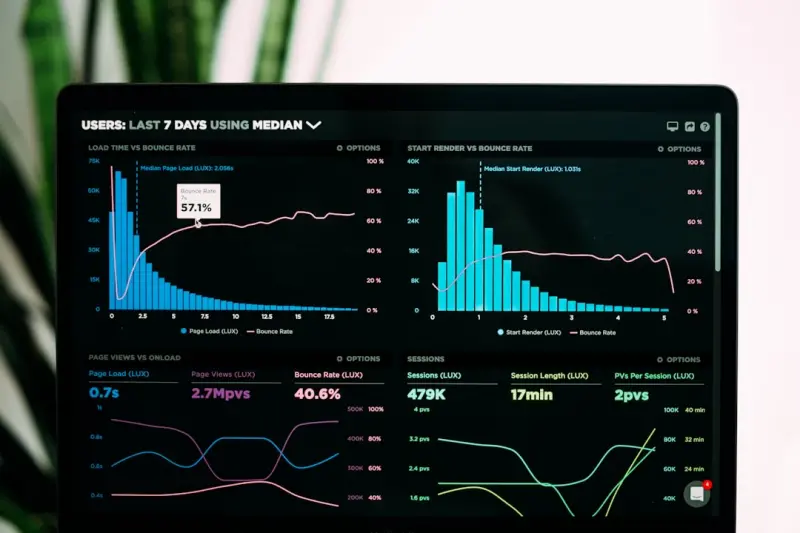
Personalized Link Building: Turning Data Into High‑Authority Backlinks for SaaS
Discover a data‑centric approach to link building that replaces generic outreach with personalized... Read More

Link Building in 2024: Deb Roberts’ Blueprint for Sustainable Authority
Deb Roberts shares a 2024 link‑building playbook focused on quality, relationships, and emerging t... Read More
Top Posts

Uncovering Google’s Hidden Ranking Signals: A Fresh Playbook
Learn how to leverage Google’s newer ranking factors like passage indexing, structured data, and user interaction signals to stay ahead of algorithm changes a...Read More
SEO Alchemy: Transforming SaaS Customer Forums into Ranking Power
Learn how to harvest, optimize, and amplify user‑generated forum content into structured, search‑friendly pages that drive organic traffic, strengthen autho...Read More

Decoding the New SERP Ecosystem: AI Summaries, Widgets, and the Future of Search
A fresh look at the evolving SERP: AI summaries, interactive widgets, and strategic content clusters that turn search pages into powerful brand touchpoints....Read More
Riding the 2026 Social Media Wave: Strategies That Actually Work
A deep dive into 2026’s social media landscape, blending AI, short‑form video, micro‑influencers, and privacy‑first data to create authentic, high‑ROI...Read More
0 Comments
Post Comment
You will need to Login or Register to comment on this post!