

Why Local SEO Isn’t Just for Brick‑and‑Mortar Anymore
When most people think about local SEO they picture a coffee shop optimizing its Google Business Profile or a dentist polishing reviews. For SaaS companies the image is less obvious, yet the reality is that any brand with regional offices, data‑centers, live‑events, or even a localized support team has a physical footprint that can be leveraged for search advantage. The kicker? Most of those businesses are leaving a goldmine of local relevance on the table because they focus on broad, national keywords and ignore the neighborhood‑level signals that Google loves.
In this post I’ll walk you through a fresh, community‑centric playbook that flips the script: instead of chasing generic local citations, you’ll turn your happiest customers, employee advocates, and real‑world events into a powerful, self‑reinforcing local SEO engine. It’s a strategy that feels natural, scales with your growth, and—most importantly—delivers qualified leads right where you operate.
The Real Hidden Asset: User‑Generated Local Content
Search engines have gotten smarter about evaluating authenticity. While a perfectly‑crafted landing page still matters, Google now places a premium on real voices from real people. For a SaaS business, that means:
- Customer success stories that mention specific cities or regions. “Our team in Austin reduced churn by 30% using X platform.”
- Localized reviews on third‑party sites. A client in Denver leaves a 5‑star rating on G2, mentioning the local support rep they worked with.
- Employee‑generated content that highlights local expertise. A support engineer in Manchester writes a blog post about compliance nuances for UK customers.
These nuggets of user‑generated content (UGC) act like micro‑testimonials for each locale you serve. When Google sees that multiple, independent sources are talking about your SaaS in a specific city, it treats you as an authority for that market—often boosting you into the coveted “local pack” or “near me” results.
Step 1: Harvest Real‑World Success Stories
Start by building a simple intake form for your Customer Success team. Every time a client mentions a location‑specific win, capture it. Ask for:
- The city, state, or region.
- Quantifiable results (e.g., % increase in productivity, cost savings).
- A quote that mentions the local context.
Once you have a steady stream, turn each entry into a localized case study. Publish these on a dedicated sub‑directory, such as /case-studies/texas/, and sprinkle location keywords naturally throughout the copy. Don’t forget to add Micro‑SERP Optimization tactics—like FAQ schema that answers region‑specific questions—to increase visibility in “People also ask” boxes.
Step 2: Leverage Structured Data for Reviews
Google loves structured data because it helps the engine understand the context of your content. For local SaaS businesses, the Review and AggregateRating schemas are game‑changers. Here’s a quick checklist:
- Wrap each localized testimonial in
ReviewJSON‑LD markup. - Include the reviewer’s name, organization, city, and rating.
- Make sure the
authorfield references a real person (avoid generic “Customer” placeholders).
When done correctly, your case study pages can appear as rich snippets in search results, complete with star ratings and city names—an instant trust signal for prospects scanning a list of options.
Step 3: Turn Employees into Local Advocates (Without Over‑Selling)
Employee advocacy isn’t new, but most companies treat it as a brand‑wide effort. The secret to local SEO is to make it hyper‑local. Encourage team members in each office to share region‑specific content on LinkedIn, industry forums, and even local community boards.
Give them a simple template:
“Proud to help {Client Name} in {City} achieve {Result} using {Product}. #LocalSuccess #SaaS”
When an employee posts this, the signal travels back to your domain via the author’s LinkedIn profile, reinforcing the geographic relevance of your brand. For a deeper dive on turning staff into a growth engine, see the Employee Advocacy guide.
Step 4: Capture the SEO Value of Local Events
Webinars, workshops, and meet‑ups are gold mines for local signals. Every event you host generates:
- A Google Business Profile post (if you have a physical location).
- A dedicated event page with location‑specific schema (
EventandPlace). - Potential backlinks from local media, community calendars, and partner sites.
After the event, publish a recap blog that includes photos, speaker quotes, and a list of attendees (with permission). Optimize the page for long‑tail keywords like “B2B SaaS analytics workshop Chicago 2024”. Even if the event was virtual, the geographic focus still helps you rank for those location‑based queries.
Step 5: Technical Foundations—Crawl Budget, Citations, and Speed
All the content in the world won’t help if Google can’t crawl it efficiently. For SaaS sites with dozens of localized pages, Crawl Budget Mastery becomes essential. Here’s a quick audit list:
- Consolidate duplicate URLs. Use canonical tags to point search engines to the primary version of each case study.
- Implement a logical URL hierarchy. Example:
/case-studies/texas/austin/rather than a flat/case-study-123/. - Maintain NAP consistency. Your Name, Address, Phone number should be identical across your website, Google Business Profile, and any local citation sites.
- Leverage edge‑delivery. If you’re serving static assets (images, PDFs) from a CDN, you’ll improve Edge‑Powered SEO performance, which in turn boosts Core Web Vitals—a ranking factor for local queries.
Step 6: Build Local Citation Partnerships (Beyond Traditional Directories)
Traditional citation sites (YellowPages, Yelp) still matter, but for SaaS you can think bigger:
- Industry‑specific directories. List your product on SaaS marketplaces that have regional filters.
- University and research portals. If your platform is used in a local university lab, ask them to include a link with a location note.
- Chamber of Commerce pages. Many chambers publish member directories that rank well for city‑specific searches.
When you secure a citation, embed the same localized anchor text you use on your own site—this reinforces the geographic relevance for search engines.
Step 7: Measure, Iterate, and Scale
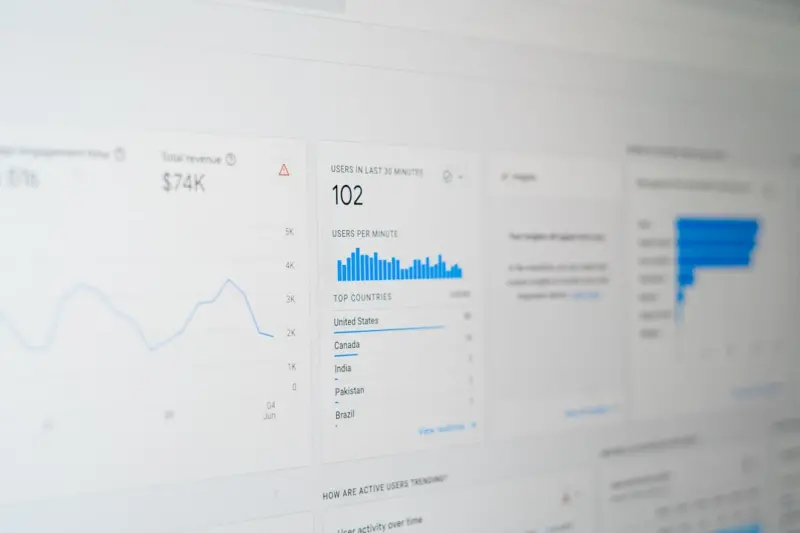
Local SEO is not a set‑and‑forget tactic. Set up a dashboard that tracks:
- Impressions and clicks for “near me” queries related to your product.
- Organic traffic from city‑specific landing pages.
- Review volume and rating trends across locations.
- Event page performance (bounce rate, time on page, conversion).
Use the data to identify which locales are delivering the highest ROI and double down on those markets—whether that means producing more case studies, hosting additional events, or deepening citation outreach.
Putting It All Together: A Sample Local SEO Workflow
Below is a practical, repeatable workflow you can roll out across all your regional teams:
- Capture the story. Customer success manager logs a location‑specific win in the shared spreadsheet.
- Write & publish. Content team turns the win into a case study with structured data.
- Amplify. Employee in that region shares the case study on LinkedIn, adds a review on G2, and posts an event recap if applicable.
- Optimize. SEO specialist adds local citations, updates the Google Business Profile, and ensures crawl budget is efficient.
- Analyze. Monthly report measures traffic, rankings, and leads per locale; insights feed back into step 1.
This loop creates a self‑reinforcing ecosystem where every new customer becomes a new SEO asset, and every piece of local content feeds the next wave of qualified prospects.
Final Thoughts: Local SEO as a Community‑Building Tool
At its core, the strategy I’ve outlined is less about tricking search engines and more about building genuine, location‑focused relationships. When prospects see real stories from peers in their city, they feel a sense of trust that generic brand messaging can’t provide. Meanwhile, Google rewards that authenticity with higher visibility. It’s a win‑win that aligns perfectly with the collaborative culture of SaaS—where community, data, and growth are intertwined.
Start small. Pick one city where you have a strong client base, harvest a few stories, and watch the rankings climb. Then replicate the formula, refine the process, and soon you’ll have a sprawling network of locally‑optimized pages that feed a steady stream of high‑intent leads into your sales funnel.

Nikki McDonald is a freelancer based in Waterloo. She brings her skills and expertise to various projects, balancing her professional work with a personal life that includes her husband, Stewart.
Related Posts

Local SEO Hacks Every SaaS Team Should Be Using
A practical guide for SaaS marketers showing how to turn local search into a powerful lead source th... Read More

Local SEO in 2024: Shawn DesRochers’ Playbook for Dominating Your Neighborhood
Shawn DesRochers reveals the 2024 local SEO playbook, from Google Business Profile hacks to hyper‑... Read More
Structured Data: The Unsung Hero of Local SEO for SaaS Companies
Discover why JSON‑LD schema is the secret weapon for SaaS companies aiming to dominate local searc... Read More
Top Posts

How Community Sponsorships Supercharge Local SEO for SaaS Brands
Learn why partnering with local organizations and events can skyrocket your SaaS brand’s local search visibility, earn authoritative backlinks, and drive qual...Read More

How Podcasts Can Supercharge Your SaaS Link Building Strategy
This post reveals why podcasts are an untapped gold mine for SaaS link building, offering a practical framework to identify, pitch, and maximize podcast backlin...Read More

Empathy‑Driven SEO: How Human Insight Elevates Rankings
Learn why empathy is the new power move in SEO, how to craft human‑focused content, and turn relationships into authoritative backlinks for lasting search suc...Read More

AI‑Generated Micro‑Copy: Scaling Brand Voice Without Losing Authenticity
Learn why AI‑generated micro‑copy is the silent game‑changer for marketers, delivering authentic brand voice at scale while driving higher CTRs and SEO pe...Read More
0 Comments
Post Comment
You will need to Login or Register to comment on this post!