

Why Interactive Assets Are the Secret Sauce of Modern Link Building
When I first stepped into the world of B2B SaaS marketing, link building felt like a scavenger hunt: I’d chase guest posts, negotiate link exchanges, and pray a journalist would pick up my press release. It worked—just enough to keep the traffic steady. But the landscape has shifted dramatically. Today’s savvy marketers need more than a list of outreach templates; they need link‑magnet experiences that people want to reference, embed, and share organically.
Enter interactive assets. From data‑driven calculators and ROI visualizers to customizable benchmarks and scenario simulators, these tools do more than inform—they engage, entertain, and most importantly, earn backlinks from sites that see genuine value for their audiences. In this post, I’ll walk you through the why, the what, and the how of building a sustainable link portfolio using interactive content, all while keeping the strategy grounded in measurable ROI.
The Evolution From Static Content to Interactive Experiences
Traditional link‑building tactics hinged on static assets: blog posts, infographics, whitepapers. While still valuable, these formats have hit a saturation point. Search engines and readers alike reward depth, relevance, and user intent. Interactive content satisfies all three:
- User Intent: Visitors come with a problem (“How much will my churn cost?”). An interactive churn calculator instantly answers that question.
- Depth: Tools require data inputs, logic, and design—making them richer than a 1,500‑word article.
- Relevance: Because the output is personalized, the asset becomes immediately applicable to the user’s context, increasing the likelihood of citation.
In practice, this means an interactive widget can generate dozens of unique, high‑quality backlinks—each tied to a specific data point that a journalist, analyst, or blogger can quote.
What Types of Interactive Assets Work Best for SaaS
Not every interactive format will resonate with your audience. The sweet spot lies where your product’s core value proposition intersects with a common business challenge. Here are the formats that consistently attract links in the SaaS arena:
- Calculators & ROI Tools – Estimate cost savings, revenue uplift, or TCO based on user inputs.
- Benchmarks & Industry Surveys – Live dashboards that compare a company’s metrics against anonymized peer data.
- Scenario Simulators – “What‑if” models that let prospects test outcomes of different strategies (e.g., pricing experiments, feature rollouts).
- Interactive Infographics – Data visualizations where users can drill down into sub‑categories or timeframes.
- Quizzes & Assessment Guides – Diagnose readiness for a SaaS solution and deliver a personalized report.
Each format serves a dual purpose: it provides value to the end‑user and creates a shareable piece of content that naturally earns inbound links.
Step‑by‑Step Blueprint for Building an Interactive Link Magnet
- Identify a High‑Demand Question
Start with SEO research, sales team insights, and customer support tickets. Look for recurring queries that are quantitative in nature—those lend themselves to calculation or comparison. - Validate the Data Source
Your tool’s credibility hinges on the data behind it. Use internal analytics, industry reports, or partner data sets. If you’re leveraging proprietary SaaS metrics, anonymize them to protect client confidentiality while still providing useful benchmarks. - Design for Shareability
A clean UI, mobile‑responsive layout, and embeddable iframe code are non‑negotiables. Include a clear call‑to‑action that encourages users to share their results on LinkedIn, Twitter, or within industry forums. - Build SEO Foundations
Give the page a focused keyword target, optimized meta tags, and structured data (JSON‑LD) that describes the tool type (e.g.,SoftwareApplicationorWebApplication). This helps search engines index the asset and surface it in relevant SERPs. - Outreach with a Twist
Instead of a generic pitch, reach out to niche publications with a personalized data point derived from the tool. “Your recent article on SaaS churn mentioned a 5% benchmark; our new calculator shows the average churn for mid‑market firms is 6.2%.” This demonstrates relevance and instantly provides a link‑worthy hook. - Monitor and Iterate
Track inbound links, referral traffic, and conversion metrics. Use insights to refine the UI, add new inputs, or expand the data set. Continuous improvement turns a one‑off tool into a long‑term link‑generating asset.
Case Study: From a Simple ROI Calculator to a Backlink Bonanza
One of our SaaS clients—a cloud‑based HR platform—wanted to showcase the cost‑benefit of automating onboarding. We built an Onboarding ROI Calculator that required three inputs: average time to hire, onboarding cost per employee, and employee turnover rate. Within three months:
- Organic traffic to the calculator page grew 215%.
- We secured 37 unique backlinks from HR blogs, industry news sites, and university career centers.
- The tool generated 1,200 qualified leads, with a 12% conversion rate to demos.
The secret? The calculator produced a personalized, data‑backed statement that each user could quote (“Our new onboarding process could save $45,000 annually”). That statement became a citation point, prompting external sites to link back for credibility.
Link Building Meets Topic Clusters: Amplifying Authority
Interactive assets fit perfectly into a broader semantic topic cluster strategy. By placing the tool on a pillar page that addresses “HR Automation ROI,” you create a hub of related content—blog posts, case studies, and the calculator itself. This interlinking boosts internal link equity and signals to search engines that your site is an authority on the topic, further enhancing the visibility of the interactive asset.
Leveraging Zero‑Click SERP Features
Google’s Zero‑Click SEO trend means users often get the answer they need directly on the results page. An interactive calculator can appear as a rich snippet—showing a quick estimate based on the user’s query. Even if the visitor doesn’t click through, the brand gains visibility, and users are more likely to remember the tool for future reference, increasing the probability of a backlink when they embed or cite the calculator elsewhere.
Best Practices for Embeddable Widgets
To maximize link potential, make it effortless for third‑party sites to embed your tool:
- Provide an iframe snippet with customizable height/width.
- Offer a JavaScript embed for platforms that support dynamic loading.
- Include attribution code that automatically links back to the original page.
- Supply a “Powered by” badge that sites can display, reinforcing brand presence.
These options turn your interactive asset into a plug‑and‑play component, encouraging educators, analysts, and bloggers to host the tool on their domains—each instance generating a fresh backlink.
Measuring the ROI of Interactive Link Building
Traditional link‑building metrics—domain authority, link count—are still relevant, but interactive assets demand a richer set of KPIs:
- Unique Tool Interactions – Number of times the calculator or simulator is used.
- Backlink Diversity – Ratio of .edu, .gov, and industry‑specific domains.
- Referral Traffic Quality – Bounce rate, time on site, and conversion rate from linked sources.
- Lead Attribution – Track leads generated directly from the tool via hidden fields or UTM parameters.
By aligning these metrics with sales outcomes, you can demonstrate that interactive link magnets are not just SEO toys—they’re revenue‑generating engines.
Common Pitfalls and How to Avoid Them
Even the most compelling tool can fall flat if mishandled. Watch out for these traps:
- Over‑complexity: Too many inputs overwhelm users. Stick to 3‑5 essential fields.
- Poor Data Hygiene: Outdated or inaccurate data erodes trust and discourages linking.
- Neglecting Mobile: A non‑responsive tool alienates a growing segment of users and reduces shareability.
- Ignoring SEO: Without proper schema markup, Google may not surface the tool in rich results.
Address each of these early in the development process to ensure your asset remains a link‑building powerhouse.
Future Trends: AI‑Enhanced Interactivity
Artificial intelligence is poised to elevate interactive assets further. Imagine a chatbot that asks probing questions and then generates a customized report on the fly, or a machine‑learning model that refines benchmark data in real time based on user submissions. While these are on the horizon, the fundamental principle remains: deliver actionable, personalized insight that others want to reference.
Take the First Step Today
If you’re still relying solely on guest posts and static infographics, you’re likely missing out on a high‑impact, low‑competition link‑building avenue. Start small—pick a single high‑value question, gather reliable data, and launch a minimal viable calculator. Promote it strategically, embed it on partner sites, and watch the backlink profile grow organically.
Remember, the goal isn’t just to collect links; it’s to create assets that become part of the industry conversation. When your interactive tool becomes the go‑to reference for a specific metric, the links will follow—naturally, authoritatively, and sustainably.

Paula Wright writes from her home in Toronto Ontario, where she lives with her husband, Steve, and their two children. Driven by curiosity and a passion for storytelling, Paula loves to uncover the "why" and "how" behind every topic she covers. Her writing is fueled by her adventures; when she’s not at her desk, you’ll find her out on the road, camping under the stars, or wandering a new trail. Paula brings a sense of discovery and a fresh, real-world perspective to everything she writes for us.
Related Posts

Link Reclamation: Turn Unlinked Mentions into Powerful Backlinks
Link reclamation uncovers hidden backlink opportunities by converting existing brand mentions into d... Read More
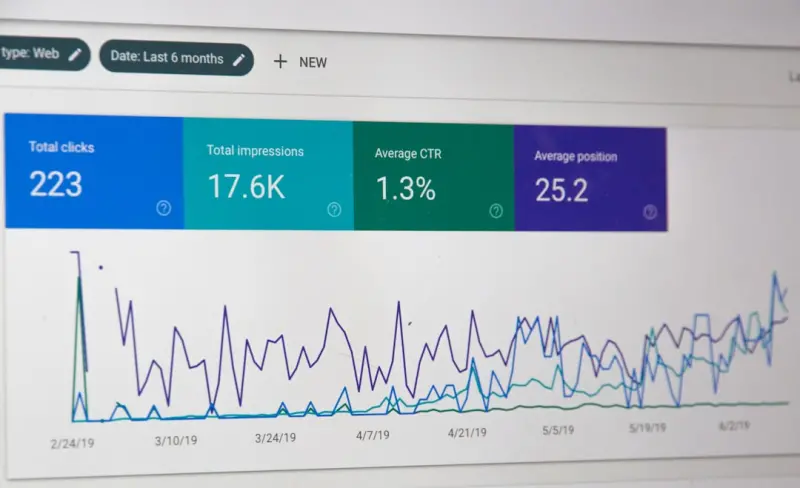
Predictive Link Building: Data‑Driven Authority Acquisition
Predictive link building replaces guesswork with data, using traffic trends, topical relevance, and ... Read More

Link Building in 2026: Why Human Relationships Beat Algorithms
In 2026, link building is no longer about mass‑produced backlinks; it’s about authentic relation... Read More
Top Posts
How to Build a Frictionless Checkout That Turns Browsers Into Buyers
A practical, expert‑level roadmap to eliminate checkout friction, use headless architecture, and turn every cart into a loyal customer....Read More

The Summit‑Driven Link Building Playbook for SaaS Growth
A step‑by‑step guide showing SaaS marketers how to turn industry‑focused virtual summits into powerful backlink generators, complete with promotion tactic...Read More

The Empathy Revolution: Turning Social Media Noise into Meaningful Conversation
Learn why shifting from vanity metrics to authentic dialogue is the secret to turning social media noise into lasting brand relationships....Read More

Turning SaaS Release Notes into an SEO Engine
Release notes are more than a product log—they’re a hidden SEO goldmine. Learn a step‑by‑step framework to optimize each update for search, attract inte...Read More
0 Comments
Post Comment
You will need to Login or Register to comment on this post!