

Why E‑E‑A‑T Is the New North Star for Google SEO
When Google announced the addition of Experience to the classic trio of Expertise, Authority, and Trust, the SEO community felt a seismic shift in how rankings would be earned. This isn’t a fleeting gimmick; it reflects Google’s ambition to surface content that not only knows its stuff but also lives it, delivering real‑world value to users. Understanding this evolution is the first step toward crafting a strategy that aligns with the search engine’s deeper intent and future‑proofs your organic visibility.
Deconstructing “Experience”: What Google Really Looks For
The term “Experience” can feel abstract, but Google evaluates it through a combination of author bios, first‑hand accounts, and signals that demonstrate hands‑on involvement in a subject. Look for patterns such as detailed case studies, behind‑the‑scenes videos, and citations of personal trials that differentiate a seasoned practitioner from a theoretical commentator. By weaving authentic anecdotes into your content, you give Google a clear breadcrumb trail that leads directly to the lived expertise you claim.
Quantifying Experience with Data‑Driven Proof
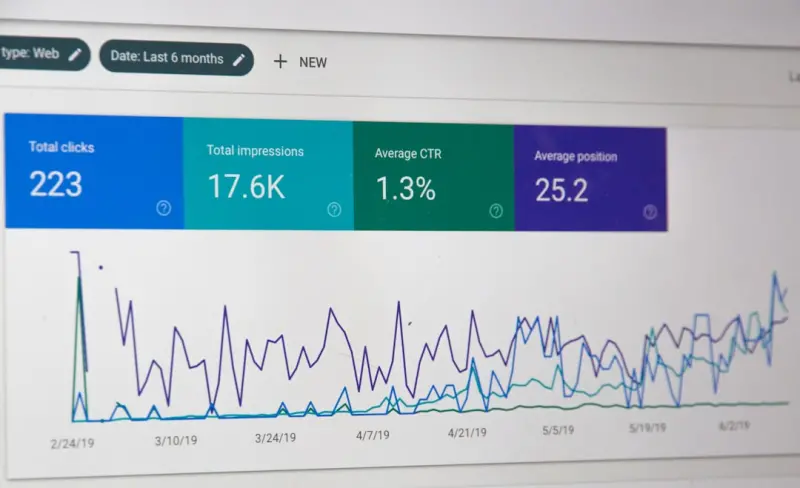
Experience isn’t just a narrative; it’s measurable through engagement metrics that reveal how users interact with your content. Low bounce rates, high dwell time, and repeat visits signal that readers trust the practical insights you provide. Pair these metrics with concrete data—such as conversion numbers, survey results, or performance dashboards—to transform subjective experience into objective proof that Google’s algorithms can readily ingest.
Elevating Expertise Through Structured Knowledge
Even with strong experience, expertise must be evident in the depth and precision of your information. Use well‑researched statistics, peer‑reviewed studies, and industry‑standard terminology to demonstrate mastery. Incorporating evergreen content hubs that interlink related topics further showcases your comprehensive grasp, allowing Google to see the breadth of your domain authority across a network of supporting pages.
Building Authority: The Role of External Validation
Authority is the social proof of your expertise, and it materializes through backlinks, mentions, and collaborations with recognized institutions. Seek out opportunities for guest posts, joint webinars, or research partnerships that place your name alongside established thought leaders. Each external endorsement acts as a vote of confidence, amplifying the trust signal that Google associates with your site.
Trust Signals That Go Beyond the Obvious
Traditional trust factors—HTTPS, clear privacy policies, and transparent contact information—remain essential, but the modern trust landscape includes user‑generated reviews, verified badges, and consistent brand voice across platforms. Highlight real customer stories, display certifications, and maintain a cohesive visual identity to reinforce the perception of reliability. When users feel safe interacting with your brand, Google interprets that safety as a strong trust indicator.
Leveraging Structured Data to Communicate E‑E‑A‑T
Schema markup offers a direct line to Google’s crawlers, allowing you to label author credentials, publication dates, and experience credentials in a machine‑readable format. Implementing the “Person” and “Organization” schemas with detailed fields—such as job titles, years of experience, and credential IDs—helps Google verify the human element behind the content. This technical layer complements the narrative, ensuring that the search engine sees both the story and the data supporting it.
Personalization Meets E‑E‑A‑T: Tailoring Content for Individual Users
Google’s personalized SERP algorithms reward sites that can adapt to the unique context of each searcher, and E‑E‑A‑T is a key lever in that personalization. By segmenting your audience—novices, intermediate practitioners, and experts—you can serve customized versions of the same core content that speak directly to each group’s level of experience. A well‑executed personalization strategy not only boosts engagement but also reinforces the relevance of your expertise in the eyes of Google’s AI.
Case Study: Turning a Technical Guide Into an Experience‑Rich Asset
Consider a guide on implementing schema markup that originally read like a checklist; after injecting personal anecdotes about trial‑and‑error, adding screenshots of real‑world implementations, and linking to a case study where the author’s client saw a 30% traffic lift, the piece climbed from page 12 to the top three results. This transformation illustrates how weaving experience into technical content can dramatically shift rankings, proving the power of the E‑E‑A‑T framework in action.
Monitoring E‑E‑A‑T Health with Ongoing Audits
Just as you would audit backlinks, conduct regular E‑E‑A‑T health checks to ensure your experience signals stay fresh and relevant. Use tools that flag outdated author bios, broken testimonial links, or missing schema fields, and schedule quarterly reviews to update case studies with new data. Maintaining a living document of expertise prevents decay and keeps Google’s trust meter continuously high.
Future‑Proofing Your SEO Strategy
Google’s algorithms are evolving toward deeper semantic understanding, and the emphasis on experience will only intensify. Anticipate this shift by investing in continuous learning—attend industry conferences, publish whitepapers, and document your journey as you adopt emerging technologies. When you align your content creation process with the ethos of genuine, demonstrable experience, you position your brand not just to survive algorithm updates but to thrive as a trusted authority in the eyes of both users and Google.
Actionable Checklist: Boosting Your Site’s E‑E‑A‑T Today
- Audit author bios: add years of experience, credentials, and personal anecdotes.
- Integrate personalization tactics that serve experience‑level specific content.
- Implement “Person” and “Organization” schema with detailed fields for each contributor.
- Collect and display genuine user reviews and case studies that illustrate real‑world outcomes.
- Refresh evergreen hub pages regularly with new data, insights, and experience‑rich examples.
- Schedule quarterly E‑E‑A‑T audits to keep trust signals current and accurate.

Brandy Miller is a dynamic freelance writer based in the vibrant city of Cambridge, Ontario. With a passion for storytelling that knows no bounds, she crafts compelling narratives that captivate and inspire. Brandy’s love for writing shines through in her versatile work, whether she’s penning thought-provoking articles or engaging content that resonates with readers. Her unique perspective and friendly tone make her a sought-after voice in the writing community. When she’s not weaving words together, you can find her exploring the beautiful landscapes of Ontario, always seeking new adventures and inspiration for her next piece. Brandy is not just a writer; she’s a creative force, making her mark one word at a time.
Related Posts

Unlocking Google MUM: A Multimodal SEO Playbook for Modern Marketers
Learn to harness Google’s Multitask Unified Model (MUM) with a step‑by‑step SEO playbook that ... Read More

The Evolution of Google SEO: How to Stay Ahead in the Game
Google SEO is constantly evolving. Stay ahead in the game with the latest trends and strategies for ... Read More

Why Google’s AI‑Driven Search Is the New Frontier for SaaS SEO
Google’s AI features are reshaping organic discovery. This guide shows SaaS marketers how to craft... Read More
Top Posts

Semantic Topic Clusters: A Fresh Playbook for SaaS SEO
This post explains why traditional keyword tactics are outdated for SaaS and introduces semantic topic clusters—a structured, intent‑first approach that imp...Read More

Peeking Behind the Curtain: How Algorithmic Transparency Shapes B2B SaaS Social Strategies
This post reveals how B2B SaaS marketers can turn emerging algorithmic transparency on platforms like LinkedIn, Twitter, and Mastodon into a data‑driven advan...Read More

Hyperlocal Content Hubs: A SaaS Playbook for Dominating Neighborhood Search
A deep dive into building hyperlocal content hubs that boost SaaS visibility in neighborhood searches, covering strategy, execution, and measurement....Read More
Beyond Rankings: How Personalization is Redefining the SERP Landscape
The SERP has evolved from a static list of links into a personalized, privacy‑aware, multimodal experience. This post breaks down the new dynamics—intent‑...Read More
0 Comments
Post Comment
You will need to Login or Register to comment on this post!