
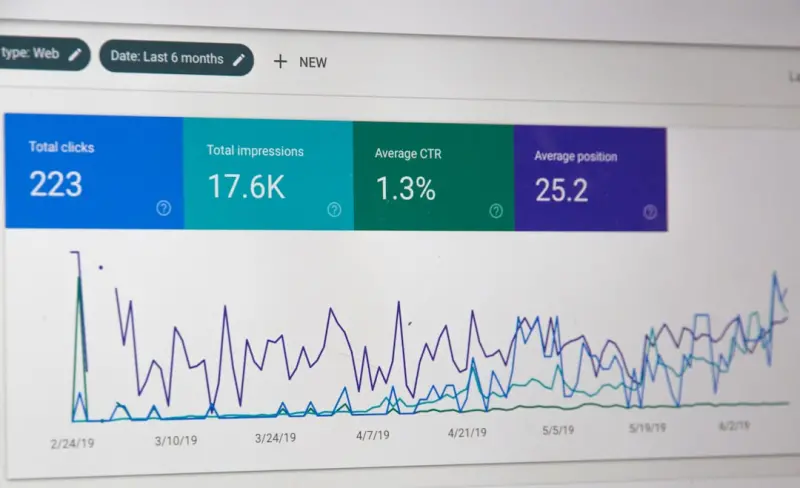
Why SERP Personalization Is No Longer a Nice‑to‑Have Feature
Search engines have moved beyond a one‑size‑fits‑all results page and now deliver a feed that feels hand‑crafted for each visitor, thanks to layers of AI that read location, device, search history, and even moment‑to‑moment curiosity. This shift means that the traditional “rank‑the‑page” mindset is being replaced by a strategy that anticipates intent before the user finishes typing, turning the SERP itself into a dynamic conversation starter. Brands that cling to static keyword lists are watching their visibility evaporate as Google‑driven personalization pushes fresh, context‑aware results to the top.
The Zero‑Click Surge and What It Means for Visibility
Recent data shows that more than half of all searches now end without a click, a phenomenon driven by featured snippets, knowledge panels, and instant answers that satisfy the query on the spot. While this “zero‑click” reality can feel like a threat, it actually creates a new kind of real‑estate on the SERP where brand authority can be displayed without a traditional backlink. Understanding which query types trigger these quick answers lets marketers redesign their content to claim those premium slots, turning a perceived loss into a high‑impact branding opportunity.
AI‑Powered Intent Modeling: From Keywords to Intent Clusters
Instead of grouping terms by sheer similarity, modern AI platforms analyze user journeys, click patterns, and semantic relationships to build intent clusters that mirror how people think, not just what they type. These clusters reveal hidden pathways—such as “budget‑friendly home office setup” versus “luxury ergonomic furniture”—that guide you to tailor content for each micro‑audience. For a deeper dive into turning raw data into actionable clusters, see AI‑powered semantic clusters, which illustrates how machine learning can surface the nuanced intents that power today’s personalized SERPs.
Crafting Content That Owns the Answer Box
To dominate the coveted answer box, content must be concise, structured, and directly aligned with the question phrasing that triggers the feature. Start with a clear, bold statement that answers the query in under 40 words, then support it with a bullet list or short table that Google can parse easily. Supplement the text with relevant schema markup—such as FAQPage or HowTo—to give the engine a roadmap for extracting the exact snippet it needs to display.
Schema, Structured Data, and the New SERP Real Estate
Structured data acts as the passport that lets your content travel from the page to the SERP’s premium slots, turning ordinary listings into rich results that attract eye‑tracking and higher click‑through rates. Implementing schema.org types like Product, Event, or Review signals relevance to Google’s answer engine, especially when the markup is kept up‑to‑date with the latest specifications. Regular audits ensure that deprecated fields are replaced, preventing missed opportunities as Google continuously refines its parsing logic.
Internal Linking Strategies That Feed Personalization Engines
Personalized SERPs rely heavily on the internal link graph to understand the thematic breadth of a site, so a well‑planned linking architecture can amplify the relevance signals that AI models pick up. Group related articles under pillar pages, then use contextual anchor text that mirrors user intent rather than generic “click here” phrases. This approach not only improves crawl efficiency but also reinforces the intent clusters that power personalized rankings.
Why Crawl Efficiency Matters for a Personalized SERP
When Google’s crawlers encounter a clean, well‑structured site, they can index more pages faster, feeding the personalization engine the freshest signals to serve users. Analyzing server logs reveals which URLs are being crawled most often and where bottlenecks occur, allowing you to prioritize high‑value content for quicker inclusion in SERP features. For practical techniques on extracting those insights, check out crawl efficiency insights, a guide that demonstrates how log file analysis can keep your site in sync with AI‑driven SERP updates.
Community Signals: Reinventing Link Building for Personalization
Traditional backlinks still matter, but the signals that matter most for SERP personalization now include community endorsements, social mentions, and niche forum participation. By fostering genuine relationships with micro‑influencers and niche forums, you generate organic mentions that act as trust signals for the personalization algorithm. Learn how to pivot your outreach strategy in Link Building Reinvented, where community‑first tactics are shown to boost relevance in the AI‑driven SERP landscape.
Measuring Success Beyond Rankings: New KPIs for a Personalized World
As clicks become less frequent, marketers must shift focus to metrics like SERP share of voice, impression lift from featured snippets, and brand recall measured through surveys tied to search exposure. Tools that track real‑time SERP appearance, such as rank trackers with SERP feature monitoring, provide a clearer picture of how often your content is surfacing in personalized feeds. Pair these data points with engagement metrics—time on page, scroll depth, and conversion pathways—to evaluate whether your personalized SERP presence is driving meaningful business outcomes.
Future‑Proofing Your Strategy: A Checklist for the Next Wave of SERP Personalization
- Audit existing content for concise, answer‑first formats that align with common question phrasing.
- Implement and regularly update schema markup for all high‑value pages.
- Map internal link structures to reinforce intent clusters and improve crawl pathways.
- Leverage log file analysis to prioritize fast‑crawling of fresh, personalized content.
- Build community relationships that generate authentic signals for AI personalization models.
- Adopt new KPIs—SERP share of voice, featured snippet impressions, and brand recall—to track impact.
By treating the SERP as a dynamic, personalized canvas rather than a static list, you position your brand to thrive in the era where AI decides what each user sees, when they see it, and how they act on it.

Miranda Murphy is a Staff Writer at Domain Authority and an experienced freelance writer with a decade of storytelling expertise helping brands convert complex ideas into high-impact content.
Related Posts

Mastering the SERP Real Estate Jungle: A SaaS Playbook
The SERP has evolved into a multi‑feature marketplace. This post outlines a data‑driven playbook... Read More
Why SERP Volatility Is the Silent Killer of SaaS Traffic
SERP volatility can cause sudden drops in visibility for SaaS sites. This post explains the causes, ... Read More

When SERP Real Estate Gets Crowded, Choose Your Spot Wisely
The SERP has transformed from a simple list of links into a multi‑layered arena of AI answers, vid... Read More
Top Posts

When Shoppers Try Before They Buy: The Rise of Augmented Reality in eCommerce
Augmented reality is reshaping online shopping by letting customers visualize products in real life before purchasing, leading to higher conversion rates, fewer...Read More

Hyperlocal Storytelling: Turning Community Narratives into SEO Power
Learn to harness neighborhood narratives, event-driven content, and street‑level landing pages to dominate local search and drive foot traffic....Read More

From Data Silos to Unified Journeys: A Privacy‑First Digital Marketing Playbook
Discover a three‑step framework that transforms privacy‑first regulations into a competitive advantage, using zero‑party data, unified customer platforms,...Read More

Conversational SEO: Turning Real‑World Questions into Voice Search Wins
Discover a step‑by‑step strategy to build conversational SEO with community‑driven FAQs, schema markup, and voice‑first optimization for lasting search ...Read More
0 Comments
Post Comment
You will need to Login or Register to comment on this post!