

Why Conversational SEO Is the Next Frontier
In the age where AI‑driven assistants answer questions before users even finish typing, the old model of stuffing exact‑match keywords into page copy feels as outdated as dial‑up internet; search engines now reward content that mirrors natural dialogue, and this shift demands a strategic overhaul that embraces the rhythm of real‑world conversation. Marketers who cling to static meta‑descriptions risk being eclipsed by dynamic snippets that pull directly from well‑structured, question‑answer pairs, and the gap between intent and result widens for anyone not speaking the same language as a voice‑first device. The good news is that the same conversational cues that power chatbots can be harnessed to amplify organic visibility, turning everyday queries into high‑value entry points for your brand.
Building a Foundation with Community‑Driven FAQs
Start by mining the actual questions your audience voices on forums, social channels, and product support tickets; these organically generated queries represent the purest form of intent, unfiltered by marketing jargon, and when you map them into a structured FAQ section, you give search engines a ready‑made source for featured snippets and voice answers. By categorizing inquiries into thematic clusters—such as pricing, implementation, or troubleshooting—you create a hierarchical knowledge base that both users and algorithms can navigate effortlessly, and this approach also surfaces long‑tail opportunities that traditional keyword research often overlooks. The result is a living document that evolves with your market, delivering fresh relevance while signaling authority to Google’s Knowledge Graph.
Step‑by‑Step: Auditing Existing Content for Conversational Gaps
First, conduct a gap analysis using tools that surface question‑based queries related to your niche, then cross‑reference these with your current page titles and headings to spot mismatches where a user’s spoken query isn’t directly addressed; this audit reveals high‑potential spots where a simple rewrite can transform a generic paragraph into a crisp, answer‑ready snippet. Next, prioritize the gaps based on search volume and business relevance, focusing on those that align with your conversion funnel and can be answered succinctly in 40‑50 words, the sweet spot for voice assistants; remember that brevity combined with clarity is the hallmark of conversational content. Finally, tag each newly crafted answer with the appropriate FAQ schema markup to ensure search engines recognize and surface your content in the coveted “People also ask” panel.
Structuring FAQ Schema for Maximum Impact
Implementing structured data isn’t just a technical checkbox; it’s the bridge that translates your conversational text into machine‑readable signals that Google uses to generate rich results, and by wrapping each Q&A pair in FAQPage schema, you grant search engines a clear map of the relationship between query and answer, dramatically increasing the odds of appearing in position zero. When you embed schema, also consider enriching each answer with concise bullet points or short lists—search engines love scannable formats, and users appreciate quick takeaways, so a
- clear heading
- concise explanation
- relevant internal link
can boost both click‑through and dwell time. Moreover, keep the JSON‑LD payload clean and up‑to‑date; stale or duplicate markup can lead to manual actions, and regular validation through Google’s Rich Results Test safeguards your SEO health.
Leveraging Community Q&A Platforms
Beyond your own site, tap into external Q&A ecosystems like Reddit, Quora, and niche forums where users freely discuss problems; by answering with authority and linking back to your optimized FAQ, you earn backlinks, drive referral traffic, and seed additional conversational signals that reinforce your topic expertise across the web. When you craft these external answers, mirror the tone of the platform while subtly incorporating the exact phrasing of the original question, because search engines treat the quoted query as a strong relevance cue, and a well‑placed privacy‑first link can further demonstrate trustworthiness. Consistency is key: maintain a spreadsheet of answered questions, track their SERP performance, and iterate based on which ones surface as featured snippets or voice answers, turning community engagement into a scalable SEO engine.
Measuring Success and Iterating Over Time
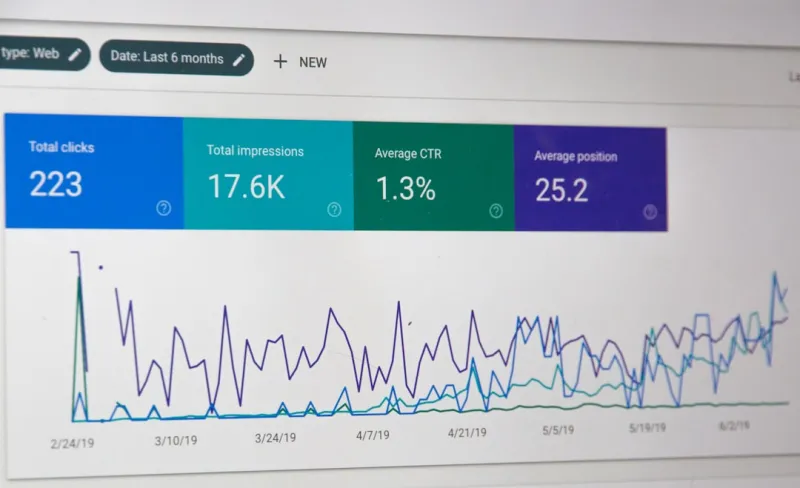
To prove the value of conversational SEO, set up a dashboard that monitors metrics like “Featured Snippet Impressions,” “Voice Search Click‑Through Rate,” and “FAQ Page Bounce Rate,” because raw traffic alone no longer tells the whole story; these specific signals reveal how well your content satisfies spoken queries and whether users are finding the precise answer they need. Use Google Search Console’s “Performance” report to filter by “question” queries and watch the upward trend in position as you refine your markup and content, and supplement this data with heat‑map tools that show how users interact with the FAQ on mobile versus desktop, informing further optimization for the devices that dominate voice search. Finally, schedule quarterly reviews to prune outdated questions, add emerging topics, and re‑test schema implementations, ensuring that your conversational assets stay fresh, accurate, and aligned with evolving search algorithms.
Future‑Proofing with Voice‑First Devices and IoT
As smart speakers and connected appliances become household staples, the context in which users ask questions expands from “What’s the best…?” to “How do I set…” while on the move or multitasking, and this shift means your SEO strategy must anticipate not just the words spoken but the surrounding environment, device capabilities, and user intent; for example, a concise, step‑by‑step answer that fits within a 30‑second audio playback window is more likely to be read aloud by a voice assistant. To accommodate this, prioritize answers that begin with a direct response, followed by optional details, and keep the language natural—avoid jargon that a casual homeowner wouldn’t use. Additionally, consider integrating schema for “How‑to” and “Speakable” content, which signals to Google that your page is optimized for audible delivery, turning your brand into the go‑to voice source for relevant tasks.
Putting It All Together: A Conversational SEO Playbook
Start by listening to your audience’s actual language, translate those insights into a well‑structured FAQ backed by schema, amplify your answers on community platforms, and continuously track conversational performance metrics to refine and expand your repository; this loop creates a self‑reinforcing system where each answered question not only improves rankings but also fuels new content ideas, establishing a virtuous cycle of relevance and authority. Remember that conversational SEO is not a one‑off project but an ongoing dialogue between your brand, your users, and the search engines that mediate their interaction; by treating every question as an opportunity to showcase expertise, you position your site at the forefront of the voice‑first revolution and future‑proof your visibility for the next wave of digital discovery.

Tammy French is a Montessori Teaching Assistant and freelance writer passionate about education, creativity, and inspiring lifelong learning through engaging content.
Related Posts
The Evolution of SEO: Strategies to Stay Ahead in a Rapidly Changing Landscape
SEO has come a long way since its inception. Learn how to stay ahead of the curve and adapt your SEO... Read More

The Evolution of Google SERPs: A Game-Changer for Online Visibility
The evolution of Google SERPs has revolutionized online visibility. Learn how to optimize your conte... Read More
Future‑Proofing SaaS SEO for Voice and AI‑Driven Search
Voice assistants are reshaping SaaS discovery. This guide shows how to optimize for spoken queries, ... Read More
Top Posts

AI‑Powered Product Bundles: The Secret Sauce for Higher eCommerce AOV
Learn why AI‑powered bundles are reshaping eCommerce, how to implement them, and the psychology that turns shoppers into loyal buyers....Read More

The Evolution of eCommerce: How to Stay Ahead in a Rapidly Changing Landscape
The eCommerce landscape is rapidly evolving. Stay ahead of the curve with the latest trends and strategies. Learn how to adapt and innovate to drive growth and ...Read More

How Private Social Communities Unlock Sustainable Brand Growth
Learn why private social communities are the new growth engine, how to design a membership funnel, and turn user‑generated content into powerful brand advocac...Read More

Social ABM: Turning Individual Profiles into SaaS Gold
Learn how to integrate real‑time social signals into your ABM strategy, score accounts based on intent, and use personalized outreach to turn individual socia...Read More
0 Comments
Post Comment
You will need to Login or Register to comment on this post!