
Understanding SERP Volatility and Its Impact on SaaS Growth
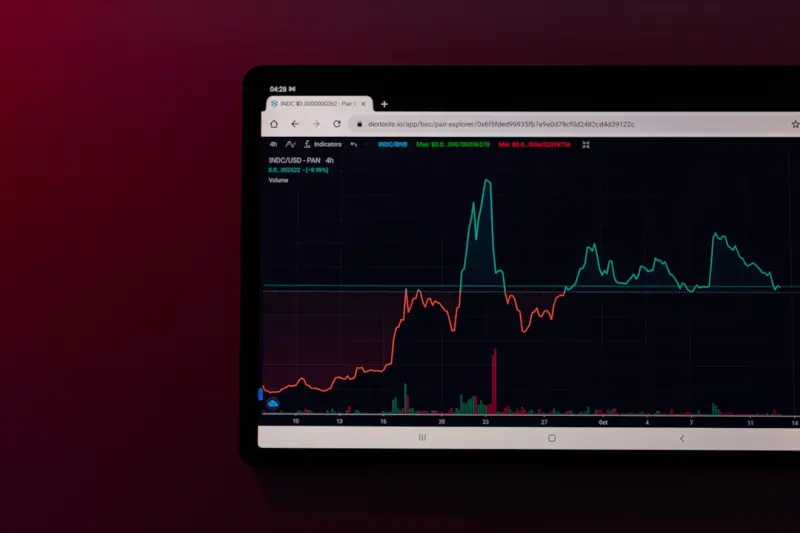
When I first started tracking my SaaS product’s organic performance, I was dazzled by the occasional spikes and sudden drops in visibility. One day the homepage was basking in the top three spots for a core keyword, the next it was buried on the eighth page. It felt like the search engine was playing a cruel game of roulette, and I was left holding the ball.
That feeling is more common than most marketers admit. The reality is that SERP volatility—the rapid, sometimes unpredictable changes in search result rankings—has become a silent threat to SaaS businesses that rely heavily on organic traffic. While we often celebrate a new featured snippet or a surge in impressions, we rarely pause to ask why those gains evaporated as quickly as they appeared.
What Exactly Is SERP Volatility?
In the simplest terms, SERP volatility measures how much a keyword’s position fluctuates over a given period. Unlike traditional ranking fluctuations that might be explained by seasonal trends or algorithm updates, volatility captures the “noise”—the day‑to‑day wobble that can be driven by a mix of factors such as:
- Google’s real‑time personalization signals.
- Changes in competitor content strategies.
- New SERP features (e.g., People Also Ask, Featured Snippets, image packs).
- Micro‑updates to the ranking algorithm that aren’t publicly announced.
- Shifts in user intent captured by machine‑learning models.
When these forces converge, the result is a ranking landscape that feels like quicksand—solid one minute, shifting the next.
Why SaaS Companies Feel the Pain More Than Others
SaaS businesses often target long‑tail, product‑specific keywords that sit at the intersection of intent and solution. These keywords usually have lower search volume but higher conversion potential. Because the “search real estate” for these terms is limited, even a small dip in position can translate into a noticeable loss in qualified leads.
Additionally, SaaS sites tend to have layered content architectures: product pages, feature blogs, developer docs, case studies, and community forums. When Google reshuffles the hierarchy of these pages—perhaps elevating a blog post over a product page due to a new semantic topic cluster strategy—traffic can be redirected in unexpected ways, amplifying volatility.
Measuring Volatility: The Metrics That Matter
Not all volatility is created equal. Here are three metrics you should start tracking:
- Standard Deviation of Position (SDP): Calculates the dispersion of rank positions over time. A higher SDP indicates more erratic performance.
- Volatility Index (VI): A composite score that blends SDP with impression volatility and click‑through‑rate (CTR) swings.
- Feature Stability Score (FSS): Measures how consistently a page appears in a specific SERP feature (e.g., featured snippet) across a rolling window.
Tools like SERPWatcher, Advanced Google Search Console queries, and custom Python scripts can help you surface these numbers. The key is to set a baseline and monitor deviations rather than reacting to every single change.
Root Causes: Digging Deeper Into the Why
1. Feature Cannibalization
Google continuously experiments with new result formats. When an image pack or video carousel appears for a keyword you own, the traditional organic link slot can shrink dramatically. If your content isn’t optimized for that format, you may lose visibility without any change to your on‑page SEO.
2. Competitor Content Refreshes
One of the fastest ways competitors can disrupt your rankings is by republishing or updating their content. A fresh blog post that aligns perfectly with emerging user intent can outrank a months‑old pillar page, especially if it leverages the latest structured data.
3. Personalization Overload
Google’s personalization engine now tailors SERPs based on location, device, and even recent browsing history. A SaaS product that appears on a desktop search may be suppressed on mobile if the user’s recent activity suggests a different solution.
4. Algorithm Micro‑Updates
While major core updates get press coverage, Google rolls out thousands of micro‑updates each year. These subtle adjustments often target specific spam signals, page experience factors, or relevance signals, nudging rankings in a direction that feels random.
Case Study: From Volatile to Predictable
At a mid‑stage B2B SaaS startup, our organic traffic for the keyword “project management SaaS” oscillated between positions 5 and 12 over six weeks, causing lead volume to swing by 30%. By implementing a three‑step stabilization plan, we reduced the Standard Deviation of Position from 3.2 to 0.9:
- Audit SERP Features: We mapped which features appeared for our target keywords (e.g., featured snippet, “People Also Ask”). We then created concise answer blocks and added FAQ schema to capture those spots.
- Content Refresh Cadence: We instituted a monthly refresh schedule for top‑performing pages, updating statistics, adding new case studies, and ensuring internal linking reflected the latest product roadmap.
- Competitive Gap Analysis: Using a competitor monitoring tool, we identified newly published assets that were ranking above us and produced counter‑content that addressed the same intent but with deeper technical detail.
Within two months, the VI dropped by 45%, and the site’s overall organic lead flow stabilized, delivering a more reliable pipeline for the sales team.
Strategic Approaches to Tame SERP Volatility
1. Embrace Structured Data Early
Schema markup is no longer optional for SaaS. By adding Product, FAQ, and HowTo schemas, you give Google explicit signals about the purpose of your content, increasing the chances of appearing in rich results that are less susceptible to rank fluctuations.
2. Build Redundant Traffic Channels
Relying solely on a single SERP feature is risky. Diversify your organic presence across multiple entry points—blog posts, knowledge‑base articles, and even community Q&A pages. This redundancy ensures that even if a featured snippet disappears, you still capture clicks from other positions.
3. Leverage zero‑click search tactics Wisely
While zero‑click results can reduce direct traffic, they also provide brand exposure. Optimize those snippets with compelling calls to action (e.g., “Learn more in our free trial”) to capture interest even when users don’t click through.
4. Monitor Feature Saturation
Track how many SERP slots are occupied by non‑organic features for your target queries. If you notice that 70% of the space is taken by ads, maps, or shopping widgets, adjust your keyword strategy toward less saturated long‑tail variations.
5. Adopt a “Feature‑First” Content Model
When planning new content, ask: Which SERP feature does this answer best? If the goal is to dominate the “People Also Ask” box, structure the page with clear Q&A headings. For a featured snippet, craft concise, paragraph‑style answers that directly address the query.
Future Outlook: Volatility as a Signal, Not Just Noise
As AI continues to refine search intent interpretation, volatility will likely increase—Google’s models will become better at delivering hyper‑personalized results. Rather than viewing volatility as a problem, treat it as a real‑time feedback loop. A sudden dip might signal a shift in user intent, a new competitor, or a change in Google’s algorithmic weighting.
By establishing robust monitoring, diversifying content, and investing in structured data, SaaS marketers can turn that feedback into proactive optimization, converting volatility from a silent killer into a strategic advantage.
Key Takeaways
- Measure volatility with concrete metrics like SDP, VI, and FSS.
- Identify the root causes: feature cannibalization, competitor refreshes, personalization, and micro‑updates.
- Implement structured data, diversified content, and feature‑first planning to mitigate swings.
- Use volatility as a signal to adapt quickly to evolving search dynamics.
In the fast‑moving world of SaaS, the only constant is change. Embracing that change—and the volatility that comes with it—will keep your organic engine humming, even when the search landscape feels like a storm.

Jessica Hall is a dynamic freelance writer based in the vibrant city of London, Ontario. As a dedicated single mom, she expertly juggles the demands of parenthood with her passion for storytelling, crafting compelling narratives that resonate with readers. With a background in retail, Jessica brings a unique perspective to her writing, infusing her work with insights drawn from her experiences.
Related Posts

SERP Mastery in 2026: Riding the Wave of Search Evolution
A deep dive into 2026’s SERP shifts, from AI‑generated snippets to shoppable video results, and ... Read More

The Shifting Landscape of SERPs: What You Need to Know
The landscape of Search Engine Results Pages (SERPs) is undergoing a significant transformation. Lea... Read More

The Evolution of Google SERPs: A Game-Changer for Online Visibility
Google SERPs have evolved significantly, impacting online visibility. Learn how to adapt your SEO st... Read More
Top Posts

Cracking the New SERP Real Estate: Knowledge Graph, FAQ Boxes, and Beyond
The modern SERP is a multi‑modal showcase—from Knowledge Graph panels to FAQ boxes and video carousels. This post reveals how SaaS companies can use structu...Read More

Designing Ethical Social Communities for Sustainable Brand Growth
Learn a step‑by‑step blueprint for creating ethical social media communities that foster trust, transparency, and sustainable growth for your brand....Read More

Gamified Loyalty: Turning Shopping into an Experience That Pays
Learn how turning shopping into a game—using points, challenges, AR, and community quests—can supercharge loyalty, boost sales, and create unforgettable bra...Read More

Core Web Vitals: The Mobile SEO Advantage SaaS Can’t Ignore
Learn why Mobile Core Web Vitals are a critical growth lever for SaaS, with a step‑by‑step playbook that blends technical fixes, UX tweaks, and SEO integrat...Read More
0 Comments
Post Comment
You will need to Login or Register to comment on this post!