

Why Google SEO Feels Like a Rollercoaster in 2024
Every time I open my Google Search Console, I feel a little thrill—like stepping onto a coaster that’s already halfway through its first drop. The algorithm updates that land in the spring and autumn feel less like gentle nudges and more like seismic shifts that rewrite the rules of visibility overnight. I’ve been in the trenches for a decade, watching the rise of RankBrain, the advent of BERT, and now the whispered rumors of a next‑gen AI model that could rewrite relevance on the fly. What’s different now is the velocity; we’re not talking months between major changes but weeks, sometimes days. That means the tactics that got me a top‑10 spot for “best coffee maker 2022” are suddenly obsolete for “eco‑friendly coffee makers 2024.” To survive, I’ve learned to think not just about rankings but about the experience a user has from the moment they type a query to the instant they click “add to cart.” This mindset shift is what separates the resilient from the reactionary, and it’s the core theme of this post.
The SERP Landscape Has Turned Into a Battlezone
When we talk about SERPs today, we’re not just talking about a list of blue links; we’re describing a complex battlefield where featured snippets, People Also Ask, video carousels, and local packs all vie for attention. The competition for “real estate” on the first page has never been fiercer, and the stakes have risen because Google now rewards relevance with rich, interactive results that keep users on the engine longer. I recently dove into Why SERPs Are Evolving in 2024 and How to Stay Ahead, and the takeaway was crystal clear: you must optimize for the whole ecosystem, not just the traditional blue link. That means structuring data with schema markup, answering the exact question a user is likely to ask, and ensuring your content can be repurposed into a video snippet or a carousel. Ignoring any of these elements is like sending troops into battle without armor—your rankings will crumble under the weight of newer, more versatile formats.
Understanding User Intent and E‑E‑A‑T in the Age of AI
Google’s focus on Expertise, Experience, Authority, and Trust (E‑E‑A‑T) has become a non‑negotiable pillar of every ranking strategy. In 2024, the search engine is smarter at deciphering the nuance behind a query, distinguishing between “I want to buy a DSLR” and “I need a beginner’s guide to DSLR photography.” My approach has shifted from stuffing keywords to crafting narratives that demonstrate real‑world expertise. I often reference case studies, include personal anecdotes, and embed citations from reputable sources to build that trust signal. The AI-driven models now assess the depth of coverage, the freshness of data, and the authenticity of the author’s voice. This is why I keep a close eye on the Jessica Hall’s 2024 Google SEO playbook, which offers a roadmap for weaving E‑E‑A‑T into every piece of content without sounding robotic. When you align your content with genuine user intent and back it up with authority, Google rewards you with higher rankings and, more importantly, lasting user engagement.
Technical Foundations: Core Web Vitals and Mobile-First Indexing
If you’re still treating technical SEO as an afterthought, you’re playing a losing hand in 2024’s mobile‑first world. Core Web Vitals—Largest Contentful Paint, First Input Delay, and Cumulative Layout Shift—are no longer optional metrics; they’re gatekeepers to the SERP. My daily routine now includes a meticulous audit of page speed, image compression, and server response times, because a site that loads in 2.9 seconds on desktop but drags on mobile will see its rankings plummet. The good news is that Google provides robust tools to monitor these signals, and the fixes are often straightforward: leverage modern image formats like WebP, implement lazy loading, and fine‑tune your JavaScript. I also make sure my sites are fully responsive, with touch‑friendly navigation and readable font sizes, because the algorithm now assumes most users are on a phone or tablet. By treating technical health as the foundation of your SEO strategy, you set the stage for content to thrive, and you avoid costly penalties that can erase months of hard‑won authority.
Content Strategy for 2024: Topical Clusters, AI, and Voice Search
In my experience, the most sustainable way to dominate a niche is by building topical clusters that answer every facet of a core subject. Instead of a single, sprawling article about “sustainable gardening,” I break it into pillar pages, sub‑pages, and supporting FAQs that interlink like a web. This architecture not only signals expertise to Google but also improves crawl efficiency. AI tools have become indispensable for research, drafting outlines, and even generating meta tags, but I use them as assistants, not replacements. I always inject a human touch—personal stories, real‑world examples, and a conversational tone—that AI can’t replicate. Voice search is another emerging factor; people ask more natural, question‑based queries, so I embed conversational language and schema markup for “FAQ” to capture those spoken queries. By marrying data‑driven clustering with authentic storytelling, you create a content ecosystem that satisfies both users and search engines.
Measuring Success: From Rankings to Business Impact
Ranking #1 for a keyword is exhilarating, but the real victory is when that rank translates into measurable business outcomes. I track conversions, average order value, and customer lifetime value alongside traditional SEO metrics like organic traffic and click‑through rates. Tools like Google Analytics 4, Search Console, and specialized SEO dashboards give me a 360‑degree view of performance. I also set up custom alerts for any sudden drops in Core Web Vitals or SERP features, because early detection allows for rapid remediation. When I notice a dip in a featured snippet, I revisit the content to ensure it’s still the most concise, accurate answer to the query. The key is to treat SEO as a continuous feedback loop: data informs strategy, strategy fuels content creation, and content performance fuels further optimization. This holistic approach ensures that every effort you make on the SERP translates into real‑world growth.
Future‑Proofing Your Google SEO Strategy
Looking ahead, the only certainty in Google SEO is change. Whether it’s the rise of generative AI, the expansion of visual search, or the increasing importance of sustainability signals, staying ahead means embracing experimentation and learning. I keep my finger on the pulse by regularly reading industry playbooks like The 2024 SEO Playbook, attending webinars, and testing new formats on my own sites. The goal is not to chase every trend but to identify which innovations align with your brand’s voice and audience needs. By building a culture of agility—where data informs decisions, and creative risk is rewarded—you future‑proof your SEO investments and keep your brand visible, relevant, and trusted in an ever‑evolving digital landscape.

Deb Roberts is a freelancer who writes on various subjects, bringing versatility and depth to her work. Alongside her broad writing expertise, she has a special passion for horses.
Related Posts

The Future of Google SEO: Navigating the Shifting Landscape
The future of Google SEO is rapidly evolving. Learn how to navigate the shifting landscape and impro... Read More
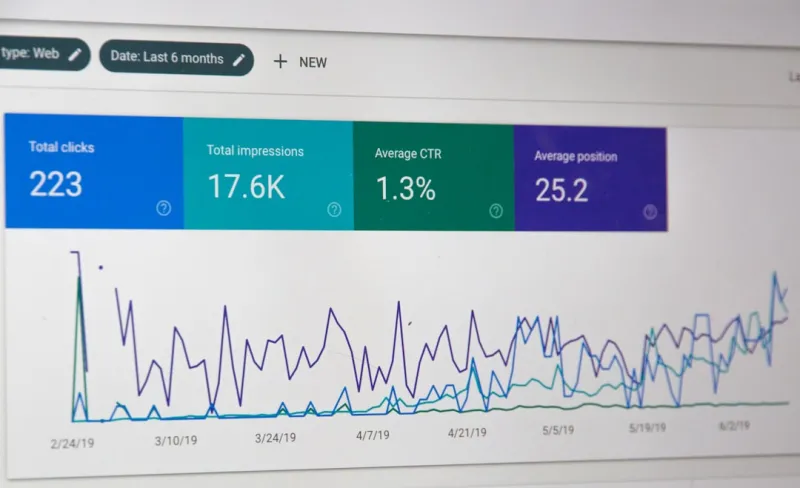
Google SEO in 2026: The Playbook for Staying Ahead of the Algorithm
A 2026 SEO playbook that blends AI‑driven SERP tactics, modern link building, mobile‑first strat... Read More
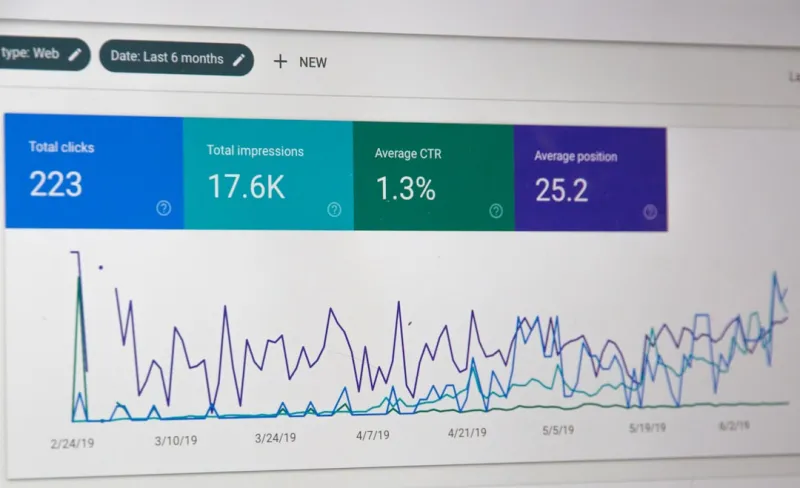
The Evolution of Google SEO: How to Stay Ahead in the Game
The world of Google SEO is constantly evolving. Stay ahead of the curve with expert insights on the ... Read More
Top Posts
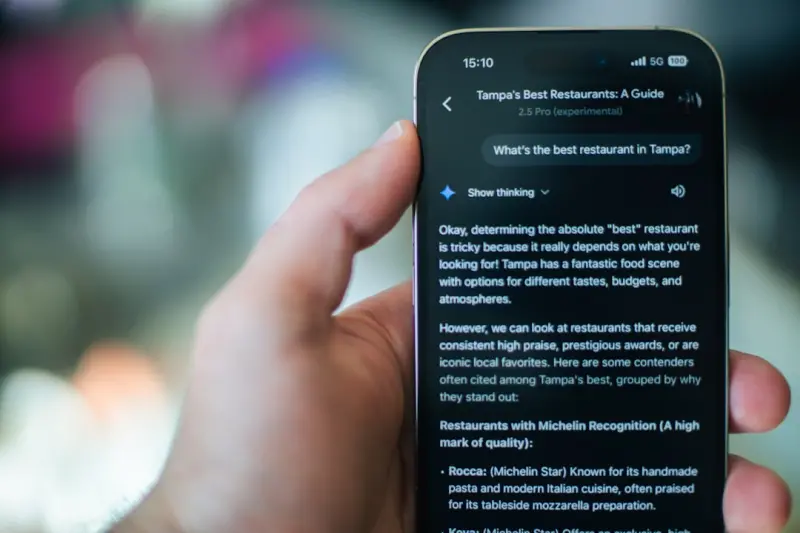
Micro‑Moments: The Missing Piece in Mobile SEO for SaaS
Micro‑moments—those split‑second intents on mobile—are the new battleground for SaaS SEO. Learn how to map, optimize, and measure them to turn fleeting ...Read More

Unlocking Hyperlocal Landing Pages: A Fresh Playbook for Local SEO
Learn why hyperlocal landing pages are the next frontier in local SEO, how to build them with precise content, technical tweaks, and localized proof points, and...Read More

The Rise of Niche Social Communities: How Brands Win by Going Small
Explore how brands can harness niche social hubs for deeper connections, authentic storytelling, and sustainable growth in the ever‑fragmented social media la...Read More

Why Returns Are the Secret Weapon for Modern eCommerce Brands
Returns aren’t just a cost—they’re a hidden growth engine. Learn how to redesign the reverse logistics journey, leverage data insights, and turn every ret...Read More
0 Comments
Post Comment
You will need to Login or Register to comment on this post!