
Why Micro‑Moments Are the New Frontier in Mobile SEO for SaaS
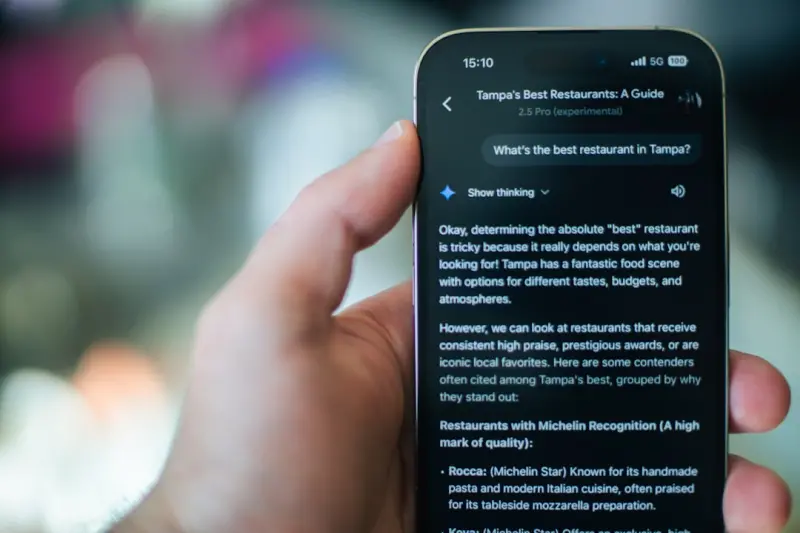
When I first started optimizing for mobile, the mantra was simple: make it fast, make it responsive, and make it easy to find. Those rules still hold, but the battlefield has shifted. Today’s mobile user is driven by micro‑moments—those split‑second instances when a person turns to their phone to act on a need. For SaaS companies, capturing those moments isn’t a nice‑to‑have; it’s a revenue‑critical strategy.
What Exactly Is a Micro‑Moment?
A micro‑moment is any point in the user journey where a consumer pulls out a device to fulfill a specific intent: “I want to know,” “I want to go,” “I want to do,” or “I want to buy.” Google popularized the term, but the concept predates the buzz. In practice, it means that every search query, tap, or voice command on a small screen is a potential conversion trigger—especially for high‑ticket SaaS solutions that usually require longer deliberation.
Why SaaS Needs to Think Micro‑Moment First
- Shortened attention spans: Mobile sessions average under a minute. If your content doesn’t surface instantly, the user moves on.
- Higher intent signals: Mobile searches often imply urgency (“how to fix onboarding churn”) because the user is already in the workflow.
- Competitive SERP real‑estate: Traditional blue‑link dominance is eroding. Rich results, voice answers, and instant cards now occupy prime positions.
In short, the micro‑moment is the point where a prospect says, “I need a solution now,” and if your SaaS brand is the first to answer, you own the conversation.
Mapping Micro‑Moments to the SaaS Funnel
It helps to visualize micro‑moments on a familiar funnel:
- Awareness micro‑moments – “I’m researching ways to reduce churn.” This is the informational phase.
- Consideration micro‑moments – “Which platform integrates with our CRM?” This is the comparative phase.
- Decision micro‑moments – “Can I start a free trial now?” This is the transactional phase.
- Retention micro‑moments – “How do I set up a new user role?” This is the support phase.
Each stage demands a different content format, SERP feature, and technical tweak. The secret sauce lies in delivering the exact answer at the exact moment, on the exact device.
Technical Foundations: Speed, Accessibility, and Intent Signals
If you’re still debating whether to compress images or enable HTTP/2, stop. Mobile SEO for micro‑moments is built on three pillars:
- Lightning‑fast load times. Users abandon pages that take longer than two seconds. To keep up, leverage edge caching, server‑side rendering, and lazy loading for above‑the‑fold assets.
- Mobile‑first accessibility. Large tap targets, legible fonts, and voice‑friendly markup ensure that your content is consumable in any environment—whether the user is on a subway or in a quiet office.
- Rich intent signals. Structured markup, FAQs, and actionable schema let search engines surface your content as instant answers or voice snippets.
Want a deeper dive into the performance side? Check out the speed signals that matter and learn why they remain non‑negotiable for mobile success.
Schema & Structured Data: Turning Answers Into Rich Results
Micro‑moments thrive on concise, digestible answers. By implementing a rich snippet strategy, you tell Google exactly what you’re offering—pricing, FAQs, how‑to steps, and even software screenshots. The result? Your SaaS product appears in the “People also ask” box, as a featured snippet, or as a voice answer.
Key schema types for SaaS include:
FAQPage– Perfect for answering “How does your pricing work?”HowTo– Ideal for “How to set up automated onboarding.”Productwithoffers– Shows price, availability, and review rating directly on the SERP.
Remember to test your markup with the Rich Results Test tool; a single syntax error can nullify hours of work.
Voice Search: The Silent Engine Behind Micro‑Moments
Voice assistants are the ultimate micro‑moment catalyst. A sales manager on a conference call might ask, “Hey Siri, find a SaaS platform that integrates with HubSpot.” If your site isn’t optimized for conversational queries, you’ll never appear in that answer.
Best practices for voice optimization:
- Focus on natural language in your content. Write sentences that sound like spoken questions.
- Prioritize concise answers (40‑50 words) that can be read aloud in under ten seconds.
- Include local relevance if your SaaS targets specific regions—Google often pulls local results for voice queries.
Edge Computing & CDN: Bringing Content Closer to the Moment
Traditional CDNs cache static assets, but edge computing lets you execute logic at the edge—personalizing content on the fly based on device type, location, or even time of day. Imagine a prospect in New York seeing a case study about a New York‑based client the instant they search “customer success SaaS.” That relevance boost can be the difference between a click and a bounce.
Implementation steps:
- Deploy a serverless function (e.g., Cloudflare Workers, AWS Lambda@Edge) to inject region‑specific content.
- Cache the generated HTML for a short TTL (e.g., 5 minutes) to keep personalization fresh without sacrificing speed.
- Monitor edge latency separately from origin latency to ensure the added logic isn’t a performance penalty.
Micro‑Moment Content Framework
Creating content that captures micro‑moments doesn’t require a full‑blown whitepaper for every query. Instead, adopt a “micro‑content” framework:
- Identify intent clusters. Use search query data, Google Trends, and internal support tickets to map the top 10 micro‑moments per funnel stage.
- Produce bite‑sized assets. Each cluster gets a 300‑word answer, a 60‑second video, or an interactive widget.
- Optimize for featured snippets. Structure answers with bullet points, numbered lists, or concise paragraphs.
- Cross‑link strategically. Link from the micro‑content to deeper resources (e.g., product pages, demo sign‑up forms) using clear CTAs.
This approach ensures you have a high volume of searchable assets without overwhelming your editorial calendar.
Measuring Success: From Impressions to Micro‑Conversions
Traditional SEO KPIs—organic traffic and keyword rankings—don’t tell the whole story for micro‑moments. Add these metrics to your dashboard:
- Featured snippet impressions. Track how often your answers appear in the SERP’s top box.
- Voice query lift. Use Google Search Console’s “Performance > Queries” filter for “voice” devices.
- Micro‑conversion rate. Define a micro‑conversion (e.g., “click to view pricing”) and measure it per SERP feature.
- Edge latency. Monitor the time between request and personalized content delivery.
When you see a rise in micro‑conversions, you’ve effectively turned a fleeting intent into a tangible lead.
Real‑World Example: Turning “How to Reduce SaaS Churn” Into a Lead
One of our clients noticed that “how to reduce churn” was a high‑volume micro‑moment for product managers. Here’s what we did:
- Created a
HowToschema page titled “5 Steps to Cut SaaS Churn in 30 Days.” - Implemented edge logic to serve a case study of a similar‑sized company based on the visitor’s IP region.
- Added a voice‑friendly intro: “You can lower churn by optimizing onboarding, pricing tiers, and usage analytics.”
- Embedded a “Start a free churn‑analysis trial” button as a micro‑conversion.
Result: The page captured a 12% featured snippet share, a 30% lift in voice‑search impressions, and a 4.2% micro‑conversion rate—translating into 150 qualified leads per month.
Future‑Proofing Your Mobile SEO Strategy
Micro‑moments aren’t a passing fad; they’ll only become more granular as 5G, AR, and IoT devices proliferate. To stay ahead:
- Invest in real‑time analytics to spot emerging intent spikes.
- Continuously audit page speed and edge performance as new device types launch.
- Expand schema usage beyond FAQs—think
VideoObjectfor tutorial snippets orEventfor webinars that answer “when” micro‑moments. - Collaborate with product, support, and sales teams to surface the most pressing user questions.
By treating every mobile interaction as a potential micro‑moment, you’ll shift from reactive SEO to proactive intent capture—turning fleeting curiosity into long‑term SaaS revenue.
Takeaway Checklist
- Map top micro‑moments across the funnel.
- Deliver concise, voice‑ready answers with appropriate schema.
- Ensure sub‑2‑second load times via edge caching and serverless personalization.
- Track featured snippet, voice, and micro‑conversion metrics.
- Iterate monthly based on real‑time intent data.
Micro‑moments are the silent drivers of mobile discovery. Master them, and your SaaS brand will be the first name users hear—and click—when they need a solution, right then and there.

Tom Ferguson is a Canadian freelance writer with a passion for storytelling, current events, and thoughtful commentary. Drawing on years of writing experience, he shares engaging insights on a wide range of topics, bringing a uniquely Canadian perspective to his work.
Related Posts

Progressive Web Apps: The Unseen Lever for Mobile‑First SEO Dominance
Learn why PWAs are the secret weapon for mobile SEO, how to implement them for better crawlability a... Read More

Mobile SEO: The Game Changer in Digital Marketing
Mobile SEO is a game changer in digital marketing. Learn how to optimize your website for mobile sea... Read More

Mobile‑First SEO for SaaS: Turning Speed into Scale
A practical guide for SaaS marketers on mastering Core Web Vitals, progressive web apps, and mobileâ... Read More
Top Posts

AI‑Generated Product Descriptions: The Secret Sauce for eCommerce Growth
AI‑generated product descriptions combine data‑driven personalization, SEO‑ready language, and interactive elements to dramatically increase conversion ra...Read More

Predictive SEO: How SaaS Leaders Can Stay One Step Ahead of Search
Predictive SEO transforms the traditional reactive approach into a forward‑looking strategy, allowing SaaS firms to anticipate search trends, synchronize cont...Read More

Human‑Centric SEO: A Strategic Blueprint for Real Growth
A human‑centric SEO roadmap that blends intent‑first research, crawl‑budget optimization, and mobile mastery to transform visitors into brand advocates an...Read More

Mastering Google Passage Indexing for SaaS Growth
Google’s passage indexing lets individual paragraphs rank like mini‑pages. This guide shows SaaS marketers how to audit, optimize, and measure passages to c...Read More
0 Comments
Post Comment
You will need to Login or Register to comment on this post!