
Why Google SEO Remains the Core of Digital Growth
Even as voice assistants, AI chat overlays, and immersive AR experiences vie for attention, the reality is that Google’s search engine still commands the lion’s share of discovery traffic, and in 2026 that share translates into billions of quarterly queries that funnel prospects directly into the conversion funnel; marketers who ignore this fact risk building castles on sand while their competitors harvest high‑intent clicks that fuel revenue, and that’s why I start every strategic session by mapping out keyword clusters that align with buyer personas, intent stages, and the nuanced signals Google now rewards such as expertise, authority, and trustworthiness, a trio that has never been more critical as the algorithm evolves.
The AI‑Powered SERP Evolution
The SERP of 2026 is no longer a static list of blue links; it is an AI‑curated canvas where contextual snippets, generated answers, and multi‑modal results dance together, meaning that a single query can spawn a carousel of videos, a table of comparative specs, and a personalized knowledge panel that draws from a user’s prior interactions, and this shift forces us to think beyond traditional on‑page optimization and instead craft content that can be parsed by large language models, satisfies the “answerability” metric, and earns a spot in the coveted “Featured Snippet” or “People Also Ask” block, which historically has driven up to 15 % of total organic traffic for well‑optimized topics.
Content That Wins: From Intent to Experience
In my experience, the most resilient SEO assets are those that marry deep keyword intent with an immersive user experience, so I advocate for a layered approach where the headline captures the precise search intent, the opening paragraph delivers a concise answer within 40 words, and the body expands into a rich narrative peppered with data visualizations, interactive elements, and micro‑copy that anticipates follow‑up questions, because Google’s AI now evaluates dwell time, scroll depth, and user engagement as proxy signals of relevance, and when these signals align, the algorithm rewards the page with higher rankings and increased visibility across the search spectrum.
Link Building Reimagined for 2026
Gone are the days of mass‑emailing low‑authority blogs for a quick backlink; today’s successful link acquisition strategy hinges on building genuine relationships, creating link‑worthy assets such as data‑driven studies, and leveraging platforms where industry peers congregate, a tactic I detail in Link Building in 2026: Strategies That Actually Move the Needle, and the results speak for themselves: when a reputable source cites your research, the link not only passes authority but also drives referral traffic and signals to Google that your content is a trusted resource, which in turn amplifies your site’s overall domain authority and positions you for long‑term SERP dominance.
Mobile‑First Indexing: Beyond Speed
While page speed remains a baseline requirement, the mobile‑first index now evaluates a broader set of criteria including touch‑target size, responsive design fidelity, and the seamless integration of Core Web Vitals into the mobile experience, so I always start by auditing the mobile rendering of critical pages with tools that simulate real‑world network conditions, then I prioritize progressive web app (PWA) features that enable offline access and push notifications, an approach that aligns with the insights I share in Mobile SEO in 2026: Strategies That Keep Your Site Ahead of the Curve, because a site that feels native on a smartphone not only reduces bounce rates but also signals to Google that you prioritize user experience, a factor that increasingly influences ranking algorithms.
Structured Data & Search Visuals
Structured data has graduated from optional markup to a strategic imperative, as Google’s rich result templates now pull directly from schema.org definitions to populate everything from product carousels to event timelines, and by implementing JSON‑LD for FAQs, How‑To guides, and product reviews, you give the crawler a clear roadmap to your content’s hierarchy, which in turn unlocks visual enhancements that boost click‑through rates; I’ve found that even a modest 10 % uplift in CTR can translate into significant traffic gains over time, especially when combined with the visual appeal of Google’s new “Discover” feed that surfaces content based on user interests and behavioral signals.
Core Web Vitals and the New Performance Matrix
The Core Web Vitals suite—LCP, CLS, and FID—now lives within a broader performance matrix that includes Interaction to Next Paint (INP) and Cumulative Layout Shift thresholds tailored to mobile and desktop contexts, and mastering this matrix requires a holistic approach that starts with server‑side optimizations like HTTP/2, edge caching, and lazy loading of off‑screen assets, then moves to front‑end refinements such as CSS containment, font‑display strategies, and critical rendering path reduction; the payoff is twofold: users enjoy a smoother, faster experience, and Google’s ranking algorithms reward those performance gains with higher placement in the SERP, a relationship that has become more pronounced as competition for top spots intensifies.
Measuring Success: Metrics That Matter
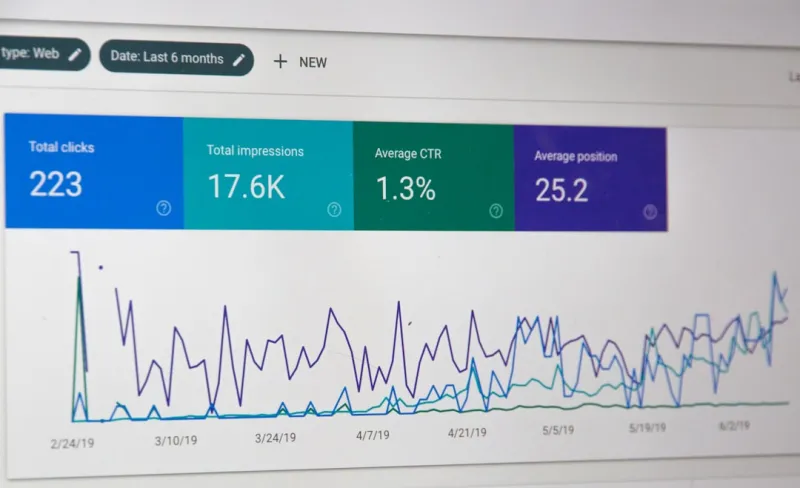
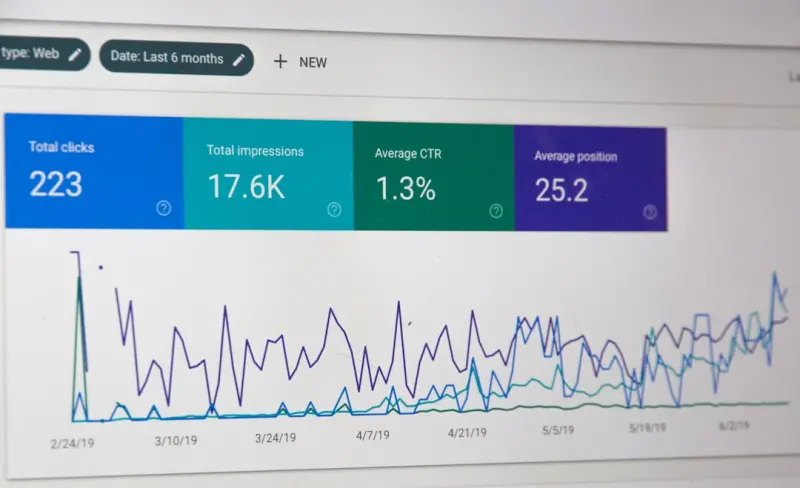
When I consult with brands, I steer them away from vanity metrics like raw impression counts and instead focus on engagement‑centric KPIs such as organic conversion rate, assisted conversions from organic traffic, and the ratio of new versus returning visitors who arrive via search, because these figures paint a realistic picture of how SEO contributes to business objectives; additionally, I integrate Google Search Console’s “Performance” report with analytics platforms to trace keyword trends, position changes, and click‑through variations over time, enabling data‑driven adjustments that keep the strategy nimble in the face of algorithm updates.
Future‑Proofing Your SEO Strategy
Looking ahead, the only sustainable path is to embed adaptability into every SEO initiative, which means cultivating a culture of continuous learning, experimenting with emerging formats like AI‑generated summaries, and staying attuned to the evolving SERP landscape as outlined in SERP Mastery in 2026, and by aligning your content roadmap with the pillars of expertise, authority, and trust, you not only safeguard against disruptive algorithm shifts but also position your brand to capture the next wave of high‑intent search traffic that will define digital success in the years to come.

Nikki McDonald is a freelancer based in Waterloo. She brings her skills and expertise to various projects, balancing her professional work with a personal life that includes her husband, Stewart.
Related Posts

Why Empathy Is the Secret Sauce Behind Modern Google SEO
Learn why shifting from pure technical tweaks to an empathy‑first mindset is the game‑changing s... Read More

AI‑Powered SEO: How Machine Learning Is Redefining Keyword Research, Content, and Link Building
Explore the rise of AI in SEO, from advanced keyword discovery to ethical content creation and intel... Read More

How SaaS Companies Can Thrive Under Google’s Helpful Content Update
Google’s Helpful Content update rewards real value over keyword tricks. This guide shows SaaS mark... Read More
Top Posts
Zero‑Party Data: Turning Customer Intent into Marketing Gold
Learn why zero‑party data is the new marketing currency, how to collect it through interactive experiences, and ways to integrate it for higher ROI....Read More

Beyond Keywords: A Data‑Driven Playbook for Search Intent in SaaS SEO
This guide shows SaaS marketers how to move beyond rankings by modeling search intent, restructuring content around buyer stages, and tracking intent‑specific...Read More

Interactive Content as the New Link‑Building Engine
Discover how interactive quizzes, calculators, and maps can become powerful link magnets, driving organic backlinks and boosting SEO performance....Read More
Serverless SEO: Making Headless SaaS Apps Crawl‑Friendly
A deep dive into the technical SEO challenges of serverless SaaS apps, offering a step‑by‑step roadmap—hybrid rendering, smart headers, dynamic sitemaps, ...Read More
0 Comments
Post Comment
You will need to Login or Register to comment on this post!