
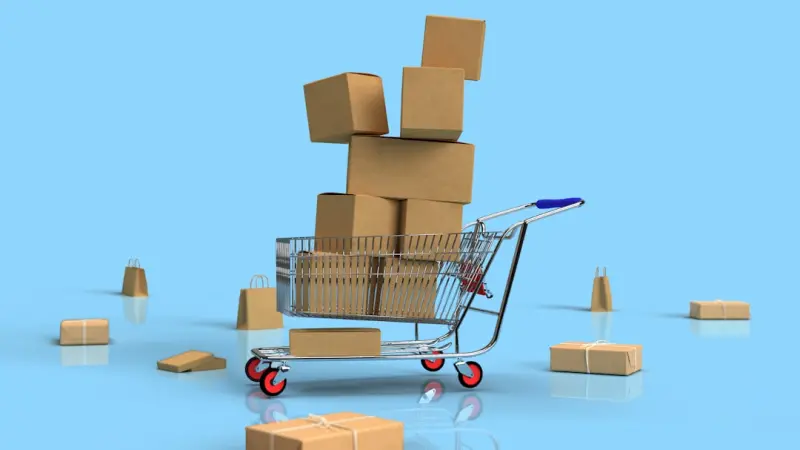
Why Returns Are the Secret Weapon for Modern eCommerce Brands
When shoppers click “Buy Now,” the conversation doesn’t end at the checkout page. In fact, the most telling part of the customer journey often begins when a product lands back on the doorstep – and, more often than not, on the return pallet. While most retailers treat returns as a cost center, forward‑thinking eCommerce operators are flipping the script, turning reverse logistics into a strategic growth engine that fuels loyalty, data insights, and even new revenue streams.
The Real Cost of Returns (And Why It’s Misunderstood)
Traditional accounting treats a returned item as a simple line‑item expense: shipping fees, restocking labor, and the occasional markdown. What most businesses miss is the hidden opportunity cost – the chance to engage a buyer at a pivotal moment, gather granular product feedback, and showcase brand empathy. By re‑imagining the return experience, you can transform a potential “negative” into a net promoter moment.
Three Pillars of a Return‑Centric Growth Strategy
- Human‑Centered Communication – Replace the dreaded “Your return has been received” email with a personalized narrative. Ask why the product didn’t work, suggest alternatives, or offer an instant exchange. This shows you care beyond the transaction.
- Data‑Driven Product Iteration – Every return is a data point. Capture size, color, reason for return, and even the time of day the purchase was made. Over time, you’ll spot patterns that inform design tweaks, inventory planning, and even pricing adjustments.
- Monetizing the Reverse Flow – Offer customers incentives to keep the product (e.g., a discount on the next purchase) or to trade it in for a newer model. This not only salvages revenue but also deepens the customer relationship.
Designing a Frictionless Return Journey
In a world where instant gratification reigns, a clunky return process can be the final nail in the customer‑loyalty coffin. Here’s a quick checklist to streamline the experience:
- Provide a pre‑paid return label directly in the confirmation email.
- Allow customers to initiate returns via multiple channels – app, website, or even SMS.
- Offer real‑time tracking of the return shipment.
- Automate the refund or exchange process so the customer receives confirmation within 24‑48 hours.
When the return feels as effortless as the purchase, you’re reinforcing the brand promise: “We’ve got your back, literally.”
Turning Return Data Into Actionable Intelligence
Every returned item is a mini‑survey. By aggregating this data, you can answer questions like:
- Which product attributes (size, material, color) have the highest return rates?
- Are certain demographics more prone to returning specific categories?
- Do seasonal spikes correlate with higher return percentages?
Armed with these insights, you can feed the information back into product development, marketing messaging, and inventory forecasting. In fact, integrating this data into a broader semantic topic clusters framework can help you craft content that directly addresses the most common concerns, improving SEO and reducing future returns.
Cross‑Channel Attribution for Returns
Understanding where a returning customer first encountered your brand is crucial for allocating marketing spend wisely. Traditional attribution models often overlook the “post‑purchase” touchpoints that influence a return decision. By extending your attribution view to include email, SMS, and in‑app messaging that guide the return process, you can uncover hidden ROI. A deep dive into omnichannel attribution reveals how each interaction contributes to a successful reverse journey, allowing you to double‑down on the channels that turn returns into repeat purchases.
Creating a Loyalty Loop with Incentivized Returns
Imagine a shopper who receives a product, decides it isn’t a perfect fit, and then gets a seamless return experience accompanied by a 15% discount code for their next order. That discount isn’t just a consolation prize – it’s a calculated lever that nudges the customer back into the funnel. Over time, the cumulative effect of these “soft” incentives can outpace the initial cost of the return, especially when the subsequent purchase is higher‑margin.
Environmental Wins: The Circular Economy Angle
Beyond the bottom line, a sophisticated returns program can reinforce your brand’s sustainability narrative. By refurbishing returned items, reselling them as “open‑box” deals, or recycling components, you close the loop and appeal to eco‑conscious consumers. Highlighting this circular approach on product pages can differentiate you in crowded marketplaces and attract a growing segment of shoppers who prioritize green practices.
Case Study: A Mid‑Size Apparel Brand’s Turnaround
One mid‑size fashion retailer faced a 30% return rate on its seasonal line, threatening profit margins. Instead of tightening return policies, they introduced a “Try‑Before‑You‑Buy” program paired with a real‑time chatbot that guided customers through the exchange process. Within six months, returns dropped to 18%, repeat purchase rates climbed 22%, and average order value increased by 9% thanks to the upsell opportunities presented during the exchange flow.
Practical Steps to Launch Your Return‑Centric Strategy Today
Ready to turn returns into revenue? Follow this roadmap:
- Audit Your Current Process – Map every touchpoint from the moment a customer decides to return a product until the final refund or exchange is complete.
- Implement a Unified Returns Portal – Centralize return requests, tracking, and communications in one dashboard.
- Integrate Data Capture – Use a lightweight form to collect reasons for return, and feed this data into your analytics stack.
- Design Incentive Triggers – Set up automated discount codes or loyalty points for completed returns that result in exchanges or future purchases.
- Promote Sustainability – Communicate how returned items are repurposed or recycled, turning a logistical challenge into a brand story.
By treating returns not as a loss but as a touchpoint for engagement, you unlock a powerful growth lever that many eCommerce brands still overlook.
Looking Ahead: The Future of Reverse Logistics
Emerging technologies like AI‑driven demand forecasting, blockchain‑secured return verification, and drone‑based pickup services are poised to further streamline reverse logistics. As these innovations mature, the brands that have already embedded a customer‑first return philosophy will be uniquely positioned to capitalize on the next wave of efficiency gains – and, more importantly, on the deeper loyalty that comes from truly caring about the post‑purchase experience.

Craig Brett is a freelancer with a passion for the outdoors. His love for nature inspires his work, bringing authentic and engaging perspectives to projects related to outdoor activities, adventure, and environmental topics.
Related Posts

The Future of eCommerce: How to Stay Ahead in a Rapidly Changing Landscape
The eCommerce industry is rapidly changing. Learn how to stay ahead with expert tips on mobile optim... Read More

Why Human‑Centric Strategies Are the Future of eCommerce
A deep dive into empathy‑driven eCommerce tactics—design, content, mobile, and social—that tur... Read More

How Subscription Boxes Can Turbocharge Your eCommerce Growth
Explore the power of subscription boxes in eCommerce, covering personalization, pricing, fulfillment... Read More
Top Posts

Interactive Video Funnels: Turning Short‑Form Clips into B2B Lead Engines
Short‑form video is reshaping B2B demand generation. Learn how to build interactive video funnels that capture attention, collect data, and turn viewers into ...Read More
Zero‑Click SERPs: Turning Invisible Clicks into SaaS Wins
Zero‑click search results are reshaping SaaS visibility. This post reveals how to craft answer‑first content, leverage schema markup, and convert on‑SERP ...Read More

The Shifting Landscape of SERPs: What You Need to Know
The landscape of Search Engine Results Pages (SERPs) is undergoing a significant transformation. Learn how to stay ahead of the curve and optimize your strategy...Read More

Private Communities: The Untapped Growth Engine for SaaS
Private, invitation‑only communities are becoming a strategic growth engine for SaaS, delivering higher engagement, faster product feedback, and stronger refe...Read More
0 Comments
Post Comment
You will need to Login or Register to comment on this post!