
Why Zero-Click Search Is the New Frontier for Visibility
In a world where Google answers questions on the spot, the traditional click‑through model is rapidly eroding, and brands that ignore this shift risk disappearing from the conversational flow of search; the rise of featured snippets, knowledge panels, and instant answers means that the most coveted real‑estate on the SERP is now a static block of information that never requires a click. Zero‑click search isn’t a gimmick—it’s a fundamental change in user intent, driven by mobile ergonomics, voice assistants, and the relentless pursuit of speed, and it forces marketers to rethink how they measure success, moving beyond click‑through rates to metrics like impression share and answer adoption. To thrive, you must treat the SERP itself as a content canvas, engineering every element from schema markup to headline phrasing so that your brand occupies that prime spot, capturing mindshare even when the cursor never leaves the search page.
Decoding the Zero‑Click Phenomenon
Zero‑click queries occur when a user receives a satisfactory answer directly on the results page, whether through a featured snippet, a carousel, a local pack, or a knowledge graph, and consequently never clicks through to a website; research shows that over 70% of searches now fall into this category, a statistic that underscores the urgency of adapting your SEO playbook. The drivers are multifaceted: mobile users favor brevity, voice searches truncate long‑tail queries into concise prompts, and Google’s AI models prioritize concise, authoritative answers over a list of links, meaning that the algorithm now rewards content that can be distilled into a digestible fact. Understanding the anatomy of these SERP elements—position, format, and the type of content they surface—allows you to align your content creation strategy with the exact signals Google uses to select a zero‑click result.
Optimizing for Featured Snippets
Featured snippets are the crown jewels of zero‑click SEO; they appear at the top of the page, often called “position zero,” and are harvested by Google’s algorithm when it determines that a concise answer best satisfies a query, so the first step is to identify high‑potential questions using tools that surface “People also ask” and SERP analysis, then craft content that directly answers those questions in a clear, hierarchical structure. Use an opening paragraph that restates the query in a sentence, followed by a bullet‑point list or a numbered step‑by‑step guide—Google favors these formats because they are easy to parse and display; embedding the answer within an <h2> or <h3> tag, followed by a concise paragraph, dramatically increases the odds of being featured. Don’t forget to reinforce the snippet with predictive SEO strategies that anticipate emerging question patterns, ensuring your content remains relevant as search intent evolves.
Leveraging Structured Data for Rich Results
Beyond snippets, structured data is the engine that powers many zero‑click formats, from FAQ panels to how‑to timelines, and implementing schema markup using JSON‑LD enables search engines to extract and display your content in a machine‑readable way, dramatically widening the opportunity to appear in answer boxes, event cards, and product overviews without a click. Start by auditing your existing pages with Google’s Rich Results Test, then prioritize markup types that align with your business goals—FAQ schema for support pages, HowTo schema for tutorial content, and Product schema for e‑commerce listings; each provides a distinct visual cue that can capture user attention before they even consider scrolling down. Pair this technical foundation with a technical SEO blueprint that ensures your site’s markup is valid, up‑to‑date, and served efficiently, because even the best‑crafted schema will be ignored if Google can’t crawl it quickly.
Crafting Answer‑Friendly Content
The heart of zero‑click success lies in content that speaks the language of answers: succinct, authoritative, and formatted for instant consumption, so each piece should begin with a definitive sentence that mirrors the user’s query, followed by supporting details organized into lists, tables, or stepwise instructions that Google can extract with ease; this approach not only boosts snippet eligibility but also improves dwell time for users who do click through for deeper information. Incorporate natural language processing insights to anticipate variations in phrasing—synonyms, question forms, and long‑tail modifiers—and embed these variations organically within the copy, ensuring the algorithm sees your content as the most relevant source across a spectrum of related queries. Finally, reinforce credibility with citations, expert quotes, and up‑to‑date data, because Google’s answer engine favors content that demonstrates expertise, authoritativeness, and trustworthiness (E‑A‑T), and a well‑cited paragraph can be the difference between a snippet and a simple list of links.
Measuring Success When Clicks Are Scarce
Traditional SEO metrics like organic traffic and click‑through rate become less informative in a zero‑click landscape, prompting marketers to adopt new KPIs such as impression share, position zero visibility, and answer adoption rate, which can be tracked through Google Search Console’s “Performance” report and the “Rich Results” section; these data points reveal how often your content is displayed as a direct answer, even if users never navigate to your site. Complement this quantitative view with qualitative signals like brand lift surveys and social listening, which capture the subconscious impact of appearing in a zero‑click slot on brand perception and recall. By establishing a dashboard that blends impression metrics with downstream conversion data—such as organic search assisted conversions—you can demonstrate the tangible ROI of zero‑click optimization, turning what might seem like “lost clicks” into a measurable influence on the buyer’s journey.
Future‑Proofing Your Zero‑Click Strategy
As AI‑driven search models like Google’s Gemini evolve, the boundary between a traditional SERP and a conversational assistant will blur, making it essential to future‑proof your zero‑click approach by focusing on semantic relevance, topical authority, and continuous content refresh; this means regularly updating answer sections to reflect the latest industry standards, integrating emerging schema types, and monitoring voice‑search trends that often surface in zero‑click formats. Embrace a modular content architecture that allows you to repurpose core answer blocks across multiple pages, platforms, and even voice‑assistant responses, ensuring consistency and efficiency in scaling your knowledge base. Finally, stay agile by leveraging the insights from personalized SEO to tailor answer content for distinct audience segments, increasing the likelihood that your brand surfaces as the preferred zero‑click solution for diverse user intents.
Common Pitfalls and How to Avoid Them
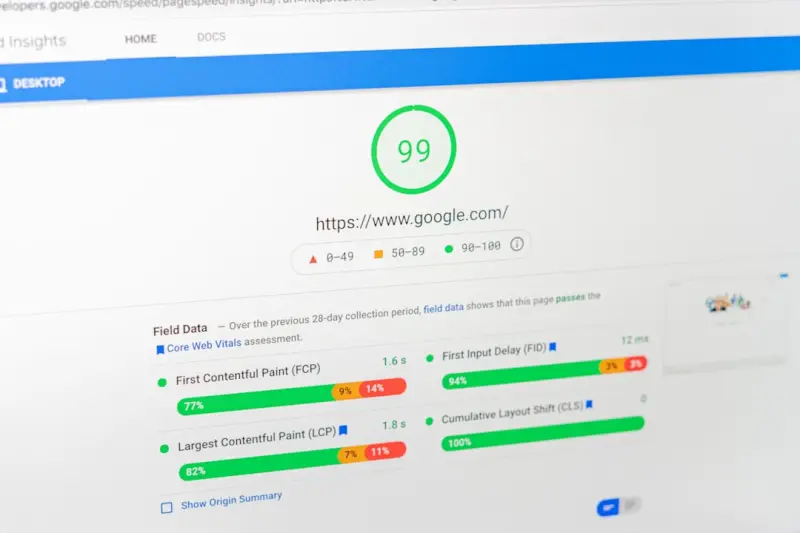
Many marketers chase zero‑click glory without understanding that relevance outweighs volume; stuffing pages with generic answers or over‑optimizing for snippets can lead to penalties, so always prioritize depth and accuracy over brevity, ensuring that the answer truly satisfies the query; a thin answer may win a snippet today but will be replaced once Google identifies a more comprehensive source. Another trap is neglecting mobile‑first performance—slow page loads or broken schema on mobile devices will cause Google to discard your markup, so integrate Core Web Vitals monitoring into your routine audits. Finally, avoid the “set‑and‑forget” mentality; the SERP landscape shifts rapidly, and a snippet that ranks today may be displaced tomorrow, so schedule quarterly reviews of your answer‑friendly content, updating data, refreshing examples, and re‑optimizing headings to maintain dominance.
Actionable Checklist for Zero‑Click Dominance
- Identify high‑potential zero‑click queries using SERP analysis tools.
- Structure content with a direct answer sentence, followed by bullet points or numbered steps.
- Implement relevant schema markup (FAQ, HowTo, Product, etc.) and validate with Rich Results Test.
- Monitor impression share and position‑zero metrics in Google Search Console.
- Refresh answer content quarterly to maintain relevance and authority.
- Integrate Core Web Vitals monitoring to ensure mobile performance.
- Leverage predictive insights and personalized SEO to tailor answers for distinct user segments.

Shawn DesRochers is a certified Microsoft technician and Programmer with 30+ year's experience. He has written many reviews on computer related products, software, and SEO related topics. When he's not writing reviews he can be found at one of the Oldest Directories Online Domain Authority Directory which he is the CEO of.
Related Posts
The Evolution of Google SERPs: A Game-Changer for Online Visibility
The evolution of Google SERPs has revolutionized online visibility. Learn how to optimize your conte... Read More

Zero‑Click SEO: How Structured Data and Voice Are Redefining Search
In an era where users often get answers directly on the SERP, learn the tactics—structured data, v... Read More
Visual Search SEO: Turning Images and AR Into Ranking Power
Learn to boost rankings with image schema, AR assets, and community photos. A step‑by‑step visua... Read More
Top Posts

The Secret Ingredient Behind High‑Conversion eCommerce Stores
Explore fresh eCommerce tactics—from sensory funnels and micro‑influencer partnerships to eco‑friendly packaging—that turn browsers into loyal customers...Read More

The Evolution of SEO: How to Stay Ahead in 2024
The world of SEO is constantly evolving, and staying ahead of the curve is crucial for businesses and marketers. Learn how to optimize your website, create high...Read More

Gamify Your Storefront: Turning Shoppers into Players for Explosive Growth
Gamification turns routine browsing into an engaging adventure, increasing time on site, average order value, and loyalty. Learn why it works, which game mechan...Read More

The Evolving Landscape of Ecommerce: Strategies for Success in 2024
The ecommerce landscape is constantly evolving. Stay ahead of the curve with the latest trends and strategies for success in 2024. Learn how to adapt to changin...Read More
0 Comments
Post Comment
You will need to Login or Register to comment on this post!