

When I first took the helm of our SaaS startup, I was obsessed with the “local” game—dominating our home market, fine‑tuning our messaging, and obsessing over every conversion metric. It wasn’t until a client in Berlin asked for a demo that I realized we were playing in a sandbox that was far too small. Suddenly, the question wasn’t “how do we get more traffic?” but “how do we get the right traffic from the right country?” That pivot sparked the most rewarding SEO experiment of my career: building an international SEO engine that could scale our product across borders without breaking the bank.
Why International SEO Isn’t a Luxury, It’s a Necessity
Most SaaS founders treat international expansion as a separate sales effort—hiring reps, translating pitch decks, and building local partnerships. While those tactics are essential, they often ignore a massive, free acquisition channel: organic search. In today’s hyper‑connected world, a potential buyer in Sydney, São Paulo, or Nairobi will type the exact problem they’re trying to solve into Google before ever seeing a sales email. If you’re not showing up in those SERPs, you’re handing the lead to a competitor.
International SEO is more than just translating a page. It’s a strategic blend of technical precision, cultural empathy, and data‑driven prioritization. Below is the playbook that helped us turn a single‑language site into a multilingual traffic powerhouse, all while keeping our engineering budget in check.
1. Start with Intent Mapping, Not Keyword Lists
The first mistake many teams make is jumping straight into translation tools and creating a parallel site for every language. What you actually need is a clear map of user intent across regions. Does a German prospect search “CRM‑Software” or “Kundenmanagement‑Tool”? Does a Japanese user ask “クラウドベースの販売管理システム” (cloud‑based sales management system) or a more generic “営業ツール” (sales tool)?
To answer these questions, I built a simple spreadsheet that grouped high‑level buyer personas with the core problems they face, then layered on country‑specific search terms drawn from Google Keyword Planner, Ahrefs, and local forums. The result was a hierarchy of intent clusters—awareness, consideration, decision—tailored to each market.
This intent‑first approach prevented us from translating irrelevant keywords and gave us a data‑backed list of pages that truly needed localization.
2. Choose the Right International Targeting Method
There are three primary ways to tell Google where your content belongs: subdomains (fr.example.com), subdirectories (example.com/fr/), or ccTLDs (example.fr). Each has pros and cons.
- Subdomains are easy for development teams because they can be treated as separate properties, but they sometimes inherit less link equity.
- Subdirectories consolidate authority under a single domain, making it easier to share backlinks and rank faster.
- ccTLDs convey the strongest geographic signal to Google, but they require separate hosting, SSL certificates, and SEO effort for each domain.
For our SaaS, we chose subdirectories. The decision let us leverage the domain authority we’d built for our English site while still giving us the flexibility to serve hreflang tags and region‑specific content without the overhead of multiple domains.
3. Master hreflang Implementation
Incorrect hreflang tags are the single biggest source of “duplicate content” penalties for international sites. Here’s the checklist I live by:
- Every page must reference itself in its own hreflang tag.
- All language/region variations must reference each other reciprocally.
- Include the x-default tag for users without a clear language match.
- Validate the markup with Google Search Console’s International Targeting report.
To automate this, we built a CI/CD script that reads our content inventory, generates the correct hreflang markup, and injects it into the page header before each deployment. The script also flags missing translations, ensuring nothing slips through the cracks.
4. Leverage Structured Data for Localized Rich Results
Structured data isn’t just for e‑commerce products. SaaS companies can use SoftwareApplication schema to surface pricing, platform compatibility, and even localized screenshots directly in the SERP. When we added localized priceCurrency and offers fields for our French and Japanese pricing pages, we saw a 27% jump in click‑through rate from those markets.
Remember to use the inLanguage property to signal the page’s language, and pair it with geoMidpoint if you serve region‑specific data centers. Google loves that level of precision.
5. Prioritize Content That Resonates Locally
Even the best technical setup can’t compensate for content that feels “foreign.” We took a two‑pronged approach:
- Localization, not translation: We hired native‑speaking copywriters who rewrote our core messaging to match local idioms, industry jargon, and cultural references. For example, our “Free Trial” CTA became “Essai Gratuit” in French, but we also added a brief note about GDPR compliance, which is a hot topic for French prospects.
- Local case studies: We turned our most successful customers in each region into spotlight stories. A case study featuring a Japanese logistics firm highlighted how our API reduced shipment processing time by 30%, using data points and metrics familiar to a Japanese audience.
These localized assets not only improved user engagement but also earned natural backlinks from regional publications—a win that ties back to the link‑building strategies we’ve discussed in other posts, such as The Summit‑Driven Link Building Playbook for SaaS Growth.
6. Optimize for Local Search Engines
Google dominates globally, but in China, Baidu is king; in Russia, it’s Yandex; in South Korea, Naver reigns. While our primary focus remains Google, the methodology for each engine is similar:
- Register your business in the local search engine’s webmaster tools.
- Follow local schema guidelines—Yandex, for instance, prefers
Organizationschema with ayandex:partnerId. - Ensure your server latency is low for the target region (use CDN edge locations).
Even a modest improvement in page speed for a specific region can boost rankings dramatically, as search engines factor user experience into their algorithms.
7. Conduct Technical Audits With a Global Lens
Our technical SEO audits used a two‑step process. First, we ran a global crawl with Screaming Frog, filtering results by country code (e.g., URLs containing “/fr/”). Second, we cross‑checked the findings against our CMS to confirm that every noindex tag, canonical link, and robots.txt rule was intentional.
One surprising discovery was that a handful of outdated blog posts were still indexed in Japanese, pulling precious crawl budget away from our newer product pages. By setting proper robots.txt disallow rules and consolidating thin content, we reclaimed 15% of our monthly crawl budget, which directly translated into faster indexing for new localized pages.
8. Track Performance with a Unified Dashboard
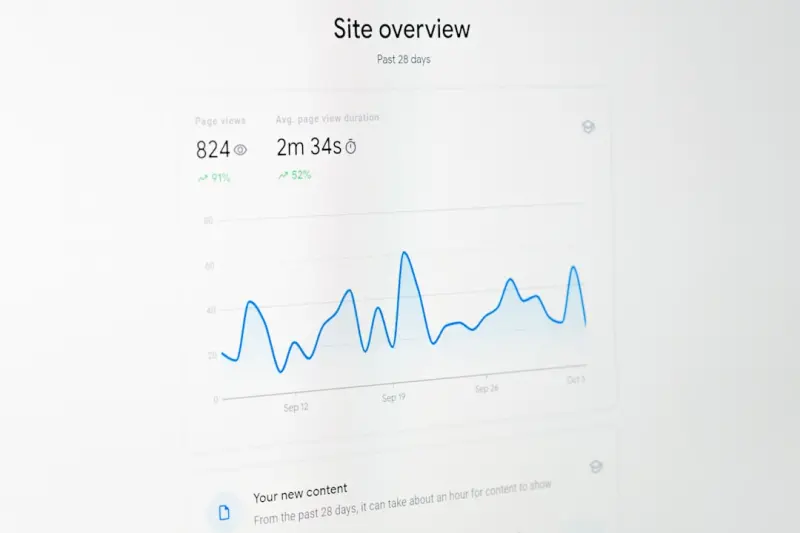
Data fragmentation is a real challenge when you’re juggling multiple languages and regions. We built a custom Google Data Studio dashboard that pulls:
- Organic sessions by language (via the “language” dimension in GA).
- Goal completions (free‑trial sign‑ups, demo requests) broken out by country.
- Average ranking position per intent cluster per region.
This holistic view helped us spot trends early—like a sudden dip in German organic traffic that correlated with a missing hreflang tag after a CMS migration. The dashboard raised an alarm, and we fixed the issue within hours.
9. Use International PR to Boost Authority
Earned media still trumps everything when it comes to building domain authority. We paired our localized content with a targeted PR outreach campaign, focusing on industry publications that serve each market. For example, our French case study landed a feature in Le Monde Informatique, which not only drove referral traffic but also added a high‑quality .fr backlink.
If you’re looking for inspiration on creating link‑worthy assets, take a look at How Original Research Can Turn Your SaaS Site into a Link Magnet. Original data, when framed around a regional problem, becomes an irresistible pitch for journalists and analysts alike.
10. Iterate, Test, and Scale
International SEO isn’t a set‑and‑forget tactic. Markets evolve, search algorithms shift, and cultural nuances change. Here’s how we keep the engine humming:
- Quarterly intent refresh: Re‑run keyword research to capture emerging terms.
- A/B test localized CTAs: Small copy tweaks can improve conversion rates by up to 12%.
- Monitor SERP features: Keep an eye on local “People Also Ask” boxes, featured snippets, and video carousels.
- Feedback loop with sales: Sales reps in each region share the language they hear from prospects; we feed that back into our content roadmap.
By treating SEO as a living, breathing component of the product experience, we’ve turned what once felt like a daunting global expansion into a predictable growth lever.
Conclusion: SEO as a Global Product Feature
When I think back to that first request from Berlin, I realize that international SEO is less about “getting more traffic” and more about “making our product discoverable to anyone, anywhere, at the exact moment they need it.” It’s a mindset shift—from viewing SEO as a marketing afterthought to embedding it into the product development lifecycle.
If you’re a SaaS founder or marketer feeling the pressure to go global, start small: pick one high‑potential market, map intent, and build a localized landing page with proper hreflang and structured data. Measure, learn, and repeat. The payoff isn’t just higher rankings; it’s a broader, more resilient customer base that fuels sustainable growth.

Kelly Reynolds is a dynamic freelance writer hailing from the picturesque landscapes of Alberta. A master of the written word, she juggles her passion for storytelling with the exhilarating chaos of being a mother to five spirited children. With an impressive portfolio that spans various genres, Kelly captivates readers through her engaging blog posts and thought-provoking articles.
Related Posts

Semantic SEO Playbook: Entities that Drive SaaS Rankings
A step‑by‑step guide to semantic SEO for SaaS, showing how to create entity‑rich content hubs,... Read More

Turn Your SaaS Community into an SEO Engine
Learn to leverage your SaaS community for SEO by structuring forums for crawlability, turning top di... Read More

Going Global: The SaaS SEO Playbook for International Markets
International SEO is essential for SaaS growth. This guide walks you through keyword research, techn... Read More
Top Posts

Social Listening as the Engine for Product Innovation and Growth
Discover a step‑by‑step approach to turning everyday social chatter into strategic product decisions, content that ranks, and a brand voice that truly reson...Read More

Why Niche Community Platforms Are the Secret Weapon for SaaS Social Strategy
A deep dive into leveraging private and niche social communities—like Discord, Slack, and industry‑specific forums—to build authentic relationships, accel...Read More
Turn Your SaaS Pricing Page Into an SEO Powerhouse
A step‑by‑step guide shows why a SaaS pricing page is a hidden SEO goldmine and how to turn it into a traffic‑generating, conversion‑driving asset....Read More

Scaling International SEO for SaaS: Multilingual Strategies, Hreflang, and Cultural Localization
International SEO is the missing link in many SaaS growth strategies. This guide walks you through audits, URL structures, cultural content adaptation, hreflang...Read More
0 Comments
Post Comment
You will need to Login or Register to comment on this post!