
Why Social Media Is the Secret Sauce for SaaS Product Innovation
When I first joined a SaaS startup, I thought the biggest growth lever was paid ads. Turns out, the real gold mine lives in the endless chatter happening on LinkedIn, Twitter, Reddit, and even niche Discord servers. Those off‑the‑cuff comments, complaints, and celebrations are not just noise—they’re a live, unfiltered focus group that talks to you 24/7.
In this post I’m going to walk you through how to turn that raw social media conversation into a disciplined product innovation engine. No magic bullets, just a repeatable process that lets you surface ideas, validate them fast, and ship features that your customers are already begging for.
1. From “Listening” to “Listening With Intent”
Most marketers treat social listening as a vanity metric—counting mentions and reacting to crises. I prefer to think of it as intentional listening. That means you’re not just tracking brand mentions; you’re hunting for signals that map directly to product pain points, workflow gaps, and emerging use cases.
Start by asking yourself three questions:
- Who is talking about the problem you solve?
- What language are they using to describe the friction?
- Where are those conversations happening?
Answering these questions helps you prioritize which platforms deserve a dedicated listening dashboard and which can be skimmed.
2. Building a Scalable Listening Engine
Invest in a combination of tools and manual processes. Here’s a quick recipe that has worked for me across multiple SaaS ventures:
- API‑Powered Aggregators: Use services like Brandwatch, Sprout Social, or even custom Python scripts that pull data from Twitter’s v2 API, LinkedIn’s public posts, and Reddit’s JSON endpoints.
- Keyword Taxonomy: Create a living list of product‑related keywords, synonyms, and industry jargon. Keep it updated every quarter.
- Sentiment Filters: Apply basic sentiment analysis (positive, neutral, negative) to triage volume. Negative sentiment is often a symptom of unmet needs.
- Alert System: Set up Slack or Teams notifications for spikes in specific keywords or sudden sentiment swings.
While building the engine, remember to stay lean. You don’t need every platform from day one—focus on the ones where your buyer personas hang out.
3. Turning Raw Data into Actionable Insight
Data without context is just noise. I’ve found a three‑step framework to extract insight:
- Cluster Themes: Use natural language processing (NLP) tools to group similar mentions. For example, “export CSV”, “download report”, and “data dump” likely belong to a “data export” theme.
- Score Impact: Assign a score based on volume, sentiment, and the strategic relevance of the theme. A high‑scoring theme is a prime candidate for a product roadmap item.
- Map to Personas: Align each theme with the persona(s) that voiced it. This helps you understand which customer segments are most affected.
Once you have a ranked list of themes, you can start feeding them into your product planning process.
4. Prioritizing Features with the Community
Traditional prioritization frameworks (RICE, MoSCoW) are powerful, but they often lack the real‑world voice of your users. I augment them with a “Social Vote” factor:
- Identify the top 5–7 themes from your listening engine.
- Run quick polls on the platforms where they originated (Twitter polls, LinkedIn surveys, Reddit up‑votes).
- Weight the poll results into your RICE score as an additional “Community Impact” multiplier.
This approach not only validates the demand but also signals to your audience that you’re listening—and that their feedback matters.
5. Case Study: From a Tweet to a Flagship Feature
At a midsize SaaS company I consulted for, we noticed a sudden uptick in tweets saying “Wish my project board had a bulk‑edit mode.” The sentiment was frustrated, and the volume spiked over a single weekend.
We ran a LinkedIn poll asking our followers to rank “Bulk Edit”, “Custom Fields”, and “Advanced Filters”. “Bulk Edit” won with 68% of votes. Using our scoring framework, the theme leapt to the top of the roadmap.
Within three sprints we shipped a bulk‑edit capability. Post‑launch, the feature generated a 12% lift in daily active users and reduced churn among the “Power User” segment by 4% over the next quarter. The tweet that started it all was later retweeted by an industry influencer, amplifying the launch’s reach.
6. Measuring the Impact of Social‑Driven Features
After you ship, close the loop by measuring both product and social metrics:
- Adoption Rate: How many existing users adopt the new feature within the first 30 days?
- Sentiment Shift: Has the negative sentiment around the original pain point decreased?
- Social Amplification: Are users sharing their success stories? Track hashtags, mentions, and retweets.
- Revenue Correlation: Does the feature contribute to upsell or expansion revenue?
These data points prove the ROI of listening and make a compelling case for continued investment.
7. Common Pitfalls and How to Avoid Them
Even with the best intentions, teams stumble. Here are the traps I see most often and quick fixes:
- Data Overload: You’ll be tempted to capture everything. Instead, focus on high‑signal keywords and set a reasonable daily volume threshold.
- Echo Chamber: Relying solely on your existing followers can skew insight. Make a habit of exploring related hashtags, competitor mentions, and niche forums.
- Feature Creep: Not every request should become a roadmap item. Use the scoring system to keep the pipeline lean.
- Ignoring the Human Element: Automated sentiment analysis can misinterpret sarcasm. Periodically sample mentions manually to calibrate your models.
8. Getting the Whole Team On Board
Social listening isn’t just a marketer’s job. Here’s how to make it a cross‑functional habit:
- Weekly Listening Sync: A 30‑minute stand‑up where product, support, and sales share the top themes they observed.
- Shared Dashboard: Use a tool like Google Data Studio or PowerBI to surface real‑time insights for the entire organization.
- Recognition Loop: Celebrate wins where a social‑driven idea made it to market. A simple shout‑out in the company Slack channel goes a long way.
9. The Future: AI‑Powered Social Innovation
Artificial intelligence is moving from “nice‑to‑have” to “must‑have” in the listening space. Emerging tools can now:
- Detect emerging topics before they trend.
- Predict the likelihood that a conversation will convert into a paying customer.
- Auto‑generate user stories based on social language patterns.
When you pair AI with the human context you already have, you create a feedback loop that’s faster than any focus group.
10. Bringing It All Together
Social media isn’t a marketing afterthought; it’s a real‑time product discovery lab. By moving from passive listening to intentional, data‑driven insight extraction, you can:
- Reduce time‑to‑market for high‑value features.
- Boost user satisfaction and retention.
- Demonstrate a clear link between customer voice and product roadmap, building trust across your community.
If you’re still treating social chatter as a “nice‑to‑monitor” activity, you’re leaving money on the table. Start small, iterate, and watch your SaaS product evolve in lockstep with the conversations that matter most.
Further Reading
For those looking to deepen their social strategy, check out Employee Advocacy on Social Media to amplify the reach of your listening insights. Also, if you’re curious about how short‑form content can complement your listening efforts, the Short‑Form Video & Micro‑Communities playbook offers useful tactics.

Brandy Miller is a dynamic freelance writer based in the vibrant city of Cambridge, Ontario. With a passion for storytelling that knows no bounds, she crafts compelling narratives that captivate and inspire. Brandy’s love for writing shines through in her versatile work, whether she’s penning thought-provoking articles or engaging content that resonates with readers. Her unique perspective and friendly tone make her a sought-after voice in the writing community. When she’s not weaving words together, you can find her exploring the beautiful landscapes of Ontario, always seeking new adventures and inspiration for her next piece. Brandy is not just a writer; she’s a creative force, making her mark one word at a time.
Related Posts
The Impact of Social Media on Modern Marketing
Social media has revolutionized the way businesses market themselves. Learn how to leverage social m... Read More
The Intersection of Social Media and SEO: A Powerful Combination
Social media and SEO are closely tied, and businesses can leverage social media to boost their SEO. ... Read More
The Power of Social Media in Modern Marketing
Social media has become an essential channel for businesses to reach their target audiences. Learn h... Read More
Top Posts
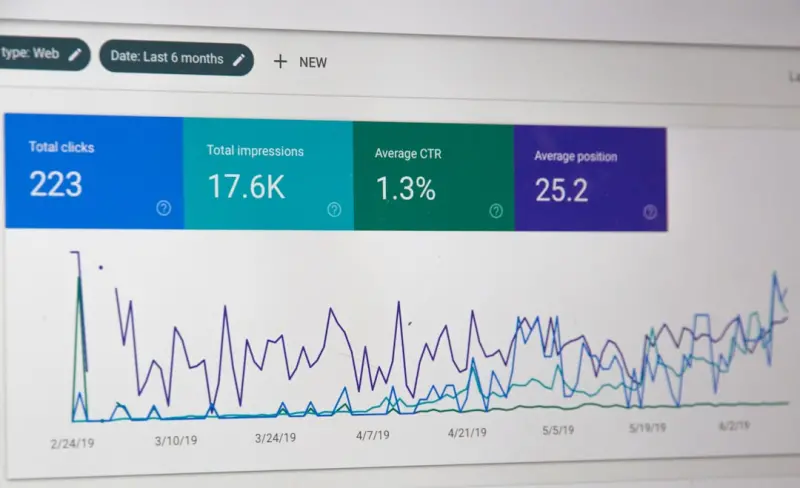
How to Turn Google Discover Into a SaaS Lead Machine
Discover is a visual, mobile‑first feed that can drive top‑of‑funnel traffic for SaaS companies. This guide walks you through auditing content, optimizing...Read More

The Subscription Revolution: Turning One‑Time Shoppers into Lifelong Fans
Learn why subscription services are reshaping eCommerce, the psychology behind recurring purchases, and a step‑by‑step plan to launch your own profitable su...Read More

Unlocking Hyper-Personalization: How Customer Data Platforms Transform Digital Marketing
A deep dive into why Customer Data Platforms are the missing link for marketers seeking true hyper‑personalization, seamless omnichannel experiences, and data...Read More
Why Micro‑Communities Are the Next Growth Engine for B2B SaaS on Social Media
Micro‑communities on niche platforms like Slack, Discord, and Reddit offer B2B SaaS marketers a high‑trust, high‑intent channel for lead generation. Learn...Read More
0 Comments
Post Comment
You will need to Login or Register to comment on this post!