

AI-powered log file analysis is rapidly becoming the hidden engine that fuels next‑level technical SEO, and I’m thrilled to unpack why it matters now more than ever. For years, SEO teams have relied on static crawl reports and periodic audits, but those snapshots miss the fluid reality of how search engines interact with modern, JavaScript‑heavy sites. By marrying raw server logs with machine‑learning pattern recognition, we can watch the crawler’s journey in real time, spot friction points the moment they appear, and respond before they erode rankings.
Traditional crawl‑budget reviews often feel like looking at a postcard of a bustling city—beautiful, but lacking street‑level detail. When you sift through billions of log entries manually, the signal gets drowned in noise, and the subtle “why isn’t Google indexing this page?” questions linger unresolved. Leveraging AI transforms those logs into a living heatmap, highlighting not just which URLs are visited, but how often, how deep, and under what resource constraints, giving you a precise lens on the invisible pathways that dictate visibility.
The workflow is elegantly simple yet technologically sophisticated: first, stream your HTTP access logs into a cloud‑based lake; next, feed them to a trained model that flags anomalies such as sudden 404 spikes, latency spikes, or crawl‑budget throttling; finally, push the insights into your CMS or CI pipeline for automated remediation. Because the model learns from historical patterns, it can predict when a new JavaScript bundle might cause a crawl slowdown, allowing you to pre‑emptively adjust rendering strategies before Google even attempts to fetch the page.
What does this mean for rankings? In practice, teams report a 20‑30 % reduction in wasted crawl budget, meaning search bots spend more time on high‑value pages and less on dead ends or duplicate content. Faster indexing translates into quicker ranking gains for fresh content, while the ability to isolate bottlenecks—like slow server response times on specific device types—lets you prioritize core‑web‑vital fixes where they matter most. The end result is a leaner, more efficient site architecture that aligns with Google’s emphasis on user‑centric performance.
Beyond raw performance, AI‑enhanced log analysis empowers smarter decisions around structured data and dynamic rendering. When the model detects that search bots consistently skip pages rendered via client‑side JavaScript, you can switch to server‑side rendering for those critical paths or supplement with JSON‑LD markup that survives the crawl. This data‑driven approach removes guesswork from your SEO playbook, ensuring that every rendering choice is validated against real crawler behavior rather than theoretical best practices.
Consider a mid‑size e‑commerce brand I consulted for last quarter: after integrating an AI log platform, they discovered that a seasonal promotion page was inadvertently blocked by a misconfigured robots.txt rule, costing them hundreds of potential impressions. Within 48 hours, the rule was corrected, the page was re‑crawled, and organic traffic to the promotion surged by 42 %. Simultaneously, the AI flagged a surge in 5xx errors on a newly launched product carousel, prompting a quick rollback that saved the site from a ranking dip during a critical sales window.
For those hungry for a deeper technical dive, the concepts intersect nicely with the principles outlined in Edge-Driven Technical SEO. Both strategies leverage serverless functions to process log data at the edge, delivering near‑instant alerts and enabling on‑the‑fly content adjustments. Pairing that with Predictive SEO techniques creates a feedback loop where today’s crawl insights inform tomorrow’s content roadmap, turning reactive fixes into proactive growth.
Getting started is more approachable than you might think: begin by exporting your most recent week of access logs, choose an open‑source log parser like GoAccess, and feed the output into a managed AI service such as Google Cloud’s AutoML Tables. Set up alerts for key metrics—crawl‑frequency drops, error‑rate spikes, and page‑load thresholds—and integrate those alerts with your team’s Slack or ticketing system. From there, iterate on the model by labeling false positives, and watch its accuracy climb, turning raw data into actionable SEO intelligence.
Looking ahead, the convergence of AI, serverless processing, and real‑time log analytics will redefine what “technical SEO health” looks like. Imagine a future where a single anomaly triggers an automated rewrite of a problematic URL, updates the sitemap, and notifies the content team—all without human intervention. By embracing AI‑driven log insights now, you position your site to ride that wave, ensuring that search engines—and users—always find the fastest, most relevant version of your content.

When it comes to the world of blogging and writing, Rose DesRochers is a name that stands out. Her passion for creating quality content and connecting with her audience has made her a trusted voice in the industry. Aside from her skills as a writer and blogger, Rose is also known for her compassionate nature.
Related Posts

The Intersection of Technical SEO and Social Media: What You Need to Know
Technical SEO and social media are no longer separate entities. Learn how they intersect and what th... Read More
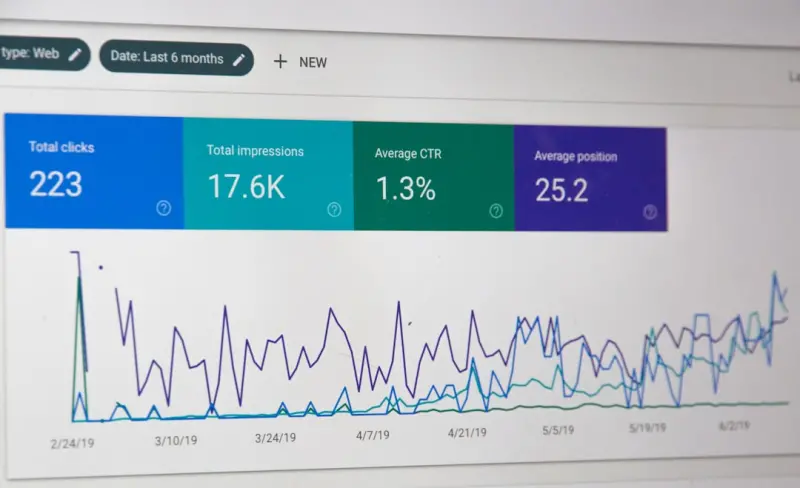
Headless CMS SEO: Technical Playbook for Indexable, Fast SaaS Sites
A deep dive into the technical steps SaaS teams need to ensure headless CMS sites are fully indexabl... Read More

Crawl Budget Mastery: How SaaS Sites Can Signal What Matters Most
A deep dive into crawl budget for SaaS platforms, offering practical audits, prioritization tactics,... Read More
Top Posts
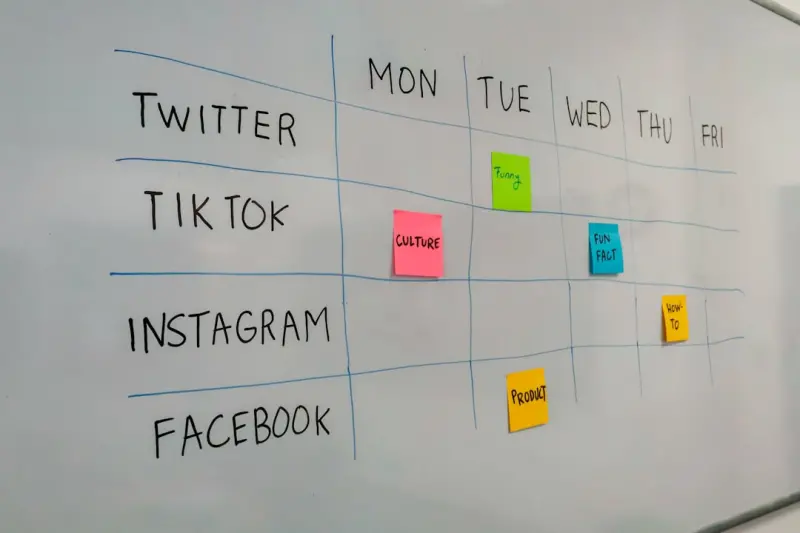
Social Listening as the Engine for Product Innovation and Growth
Discover a step‑by‑step approach to turning everyday social chatter into strategic product decisions, content that ranks, and a brand voice that truly reson...Read More

How to Turn Private Messaging Groups into Your Brand’s Most Powerful Social Engine
Private messaging groups offer a hidden arena for authentic brand interaction. Learn to build, nurture, and monetize these communities for lasting social impact...Read More

Mobile SEO Mastery: Turning Tiny Screens into Trust Engines
Learn why mobile‑first SEO matters, how to optimize speed, structured data, and crawl budget, and turn tiny screens into powerful trust engines....Read More

Interactive Video Funnels: Turning Viewer Engagement Into Conversions
Learn why interactive video is reshaping digital marketing, how to harvest actionable data, and steps to build shoppable, personalized video funnels that conver...Read More
0 Comments
Post Comment
You will need to Login or Register to comment on this post!