

Why 2024 Feels Like an SEO Rollercoaster
Every morning I log into Google Search Console feeling like I’m bucking a wild horse, and that’s not an exaggeration—2024 has turned SEO into a high‑speed amusement park ride where algorithms loop, twist, and surprise you at every turn. Core updates now drop with the subtlety of a thunderstorm, and the ripple effects can be felt across niche markets that were previously stable, making it essential to adopt a mindset of constant vigilance rather than complacent optimization. In my experience, the key to staying upright isn’t just reacting to change but anticipating the next big loop before the crowd even hears the click of the safety bar.
Embracing Data‑Driven Agility
Data has become the safety harness that keeps us from flying off the tracks, and I’ve learned to treat every metric as a clue in a larger puzzle rather than an isolated scorecard. When I notice a sudden dip in click‑through rates, I dive into query intent analysis, SERP feature distribution, and user‑journey mapping to uncover hidden opportunities that a surface‑level audit would miss. This approach turns the rollercoaster’s sudden drops into strategic pit stops where I can refuel with fresh insights and accelerate back into the ascent.
Link Building in a World of AI‑Generated Content
The rise of AI‑generated articles has flooded the web with content that looks polished but often lacks depth, creating a vacuum where high‑quality, authoritative links become even more valuable. I’ve shifted my outreach strategy to focus on building relationships with niche experts who can provide genuine endorsements, because search engines now reward contextual relevance and trustworthiness over sheer link volume. For those looking for a deeper dive, my own guide Navigating the 2024 SEO Rollercoaster walks through the exact outreach templates and vetting processes I use to secure links that survive algorithmic turbulence.
Optimizing for Mobile‑First Indexing
Mobile‑first indexing has transitioned from a recommendation to a non‑negotiable rule, and the shift is palpable in the way Google now evaluates page speed, core web vitals, and responsive design as primary ranking signals. I spend a significant portion of my week running Lighthouse audits, trimming unused CSS, and implementing lazy loading for above‑the‑fold images to shave milliseconds off load times, because those milliseconds translate directly into higher rankings and lower bounce rates. Remember, a fast mobile experience is not just a ranking factor—it’s a user expectation that can make or break a conversion funnel on the go.
Content Clusters: The New Pillars of Authority
Instead of scattering individual blog posts across unrelated topics, I now build robust content clusters that orbit a central pillar page, reinforcing topical authority in a way that resonates with both users and crawlers. Each cluster is meticulously planned around a core keyword theme, with supporting articles that answer sub‑questions, link back to the pillar, and collectively signal expertise to search engines. If you’re curious about how to structure these clusters for maximum impact, check out Why 2024 SEO Feels Like a Rollercoaster—and How to Stay on Track, where I break down the workflow from keyword research to interlinking strategy.
Leveraging Structured Data for Rich Results
Rich snippets have become the billboard on the highway of search results, catching the eye of users before they even read the title, and implementing structured data correctly can be the difference between a click and a pass. I’ve integrated schema types such as FAQ, How‑To, and Product into my pages, ensuring they are validated through Google’s Rich Results Test to avoid costly errors that could lead to manual actions. The payoff is tangible—visibility spikes, CTR improves, and the content feels more interactive, turning a standard SERP entry into a mini‑experience that satisfies both human curiosity and algorithmic preferences.
Balancing Technical SEO with Creative Storytelling
Technical SEO often feels like the engineering team behind a blockbuster movie, invisible yet crucial, while the creative narrative is what captivates the audience; neglecting either side can cause the whole production to flop. I allocate dedicated time each week for crawling my site with Screaming Frog, fixing broken redirects, and pruning duplicate content, then I hand the clean canvas over to my copy team to craft stories that weave in target keywords naturally. This dual‑focus ensures that my pages are not only indexable and fast but also compelling enough to keep readers engaged, shared, and linked back to.
Future‑Proofing with Voice Search and AI Assistants
Voice search is no longer a novelty; it’s a mainstream channel that reshapes how users phrase queries, favoring conversational, question‑based language over traditional keyword strings. To future‑proof my SEO strategy, I optimize for long‑tail, question‑format keywords, and I structure content to answer the “who, what, when, where, why, and how” within the first 150 characters, increasing the likelihood of being featured in featured snippets or voice assistant responses. As AI assistants become more sophisticated, the line between search and personal assistance blurs, making it essential to think of SEO as a holistic conversation with both humans and machines.
Maintaining Momentum: The Mindset of Continuous Learning
At the end of each day, I remind myself that the SEO rollercoaster doesn’t have a final destination—it’s an ever‑evolving loop that rewards curiosity, resilience, and a willingness to experiment. I set aside time for industry webinars, read the latest Google developer updates, and participate in community forums where peers share real‑world case studies that often reveal hidden algorithmic nuances. This habit of continuous learning keeps my strategies fresh, my optimism high, and my rankings climbing, even when the ride feels wild and unpredictable.

Sarah Gray is a proud Canadian who calls Brampton home, where she lives with her husband, Paul. A passionate home cook and gifted storyteller, Sarah loves creating delicious recipes and sharing stories inspired by everyday life, family, and cherished experiences. When she isn't experimenting in the kitchen, she's busy crafting engaging content that reflects her warmth, creativity, and love of connection. Above all, Sarah treasures time spent with her grandchildren, embracing every opportunity to create lasting memories with the people she loves most.
Related Posts
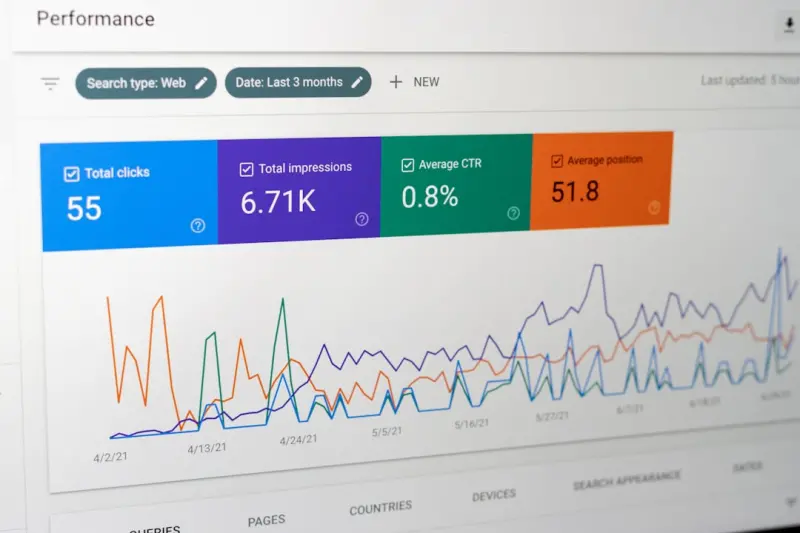
Zero‑Click Search Domination: Capture Rankings When Users Never Click
Discover a step‑by‑step framework to capture traffic from featured snippets, FAQs, and “People... Read More

Beyond Keywords: A Data‑Driven Playbook for Search Intent in SaaS SEO
This guide shows SaaS marketers how to move beyond rankings by modeling search intent, restructuring... Read More
Unlock the SEO Potential of Your SaaS Help Center
A step‑by‑step guide shows SaaS marketers how to convert support tickets into keyword‑rich hel... Read More
Top Posts

Turning Social Listening Into a SaaS Product Advantage
Learn how to build a robust social listening framework that captures real‑time customer sentiment, transforms insights into product features, and drives growt...Read More
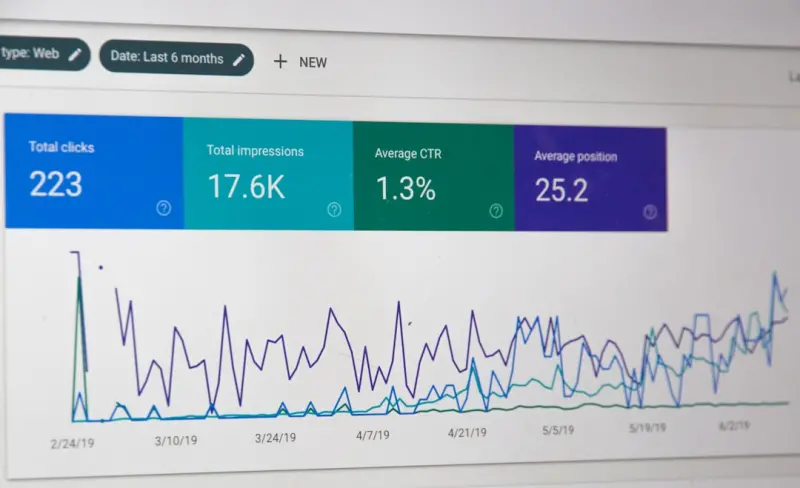
Beyond the Click: Mastering SERP Real Estate for Authority and Traffic
Discover how to dominate multiple SERP widgets—from snippets to visual carousels—and turn every search result into a brand‑building opportunity....Read More

Unlocking Predictive Lead Scoring: How AI Transforms B2B Demand Generation
Predictive lead scoring uses machine learning to forecast a prospect’s buying likelihood, turning raw behavioral and zero‑party data into actionable scores ...Read More
Unlocking Crawl Budget: The Silent Engine Behind Technical SEO Success
Discover why crawl budget matters, how to audit and prioritize pages, and the technical steps that turn Google’s limited attention into a growth engine....Read More
0 Comments
Post Comment
You will need to Login or Register to comment on this post!