
Why Zero‑Click Searches Are the New Battleground for Rankings
When I first noticed the surge of instant answers spilling across the SERP, I realized we were witnessing a seismic shift: users no longer feel compelled to click through to a website to get the information they crave. Zero‑click searches now dominate many queries, especially those triggered by featured snippets, knowledge panels, and local packs. This trend forces SEO strategists to rethink the classic funnel that began with “click‑through” and end with conversion. The reality is simple—if you can’t appear in the coveted spot that satisfies the user’s intent immediately, your content becomes invisible, regardless of how brilliant it is. In this article I’ll walk you through a practical, future‑proof framework that captures value from these omnipresent SERP features, turning what once seemed like a loss of traffic into a new source of brand authority and indirect conversions.
Mapping the SERP Landscape: From Traditional Listings to Rich Results
Before you can dominate zero‑click real estate, you need a crystal‑clear map of the SERP elements that are vying for user attention. Today’s results page is a mosaic of answer boxes, carousel cards, video embeds, and even AI‑generated summaries. Research shows that for many informational queries, the featured snippet alone accounts for up to 12 % of total clicks, while the remaining traffic disperses across other rich results. This fragmentation means you must target multiple formats simultaneously—optimizing for both the snippet and the underlying content that powers it. Start by auditing your existing pages with a SERP analysis tool to identify which of your target keywords already trigger rich results and where gaps exist. Then, prioritize those high‑volume, low‑competition opportunities, layering them with intent‑aligned content that can be broken into concise, digestible answers.
Semantic Cluster Modeling: Building Depth That Feeds Zero‑Click Answers
One of the most effective ways to feed the engine that powers rich results is through semantic cluster modeling. Instead of scattering isolated articles across your site, you create a hub‑and‑spoke architecture where a central pillar page addresses the broad topic, and supporting pages dive deep into sub‑questions. This structure not only signals topical authority to Google but also provides the granular nuggets of information that feed featured snippets and “People Also Ask” boxes. When constructing a cluster, start with a comprehensive keyword research phase that groups related queries by user intent—informational, transactional, or navigational. Then, map each sub‑question to a dedicated page, ensuring that the content is optimized for concise answer extraction (typically 40‑50 words for a snippet). By interlinking these pages with clear, hierarchical anchor text, you reinforce the semantic relationship, making it easier for crawlers to surface the right piece at the right moment.
Structured Data: The Blueprint That Turns Content Into Rich Snippets
Even the most well‑written answer can remain hidden if search engines can’t interpret its context. That’s where structured data comes into play, providing a machine‑readable blueprint that transforms ordinary HTML into rich snippets, FAQs, and product cards. Implementing schema.org markup—such as Article, FAQPage, or HowTo—signals to Google exactly what each block of content represents, dramatically increasing the odds of being featured. For zero‑click optimization, focus on the formats that align with your audience’s needs: FAQ schema for common support questions, How‑To schema for step‑by‑step guides, and Review schema for product insights. Remember to validate your markup with the Rich Results Test to avoid rendering errors, and keep the JSON‑LD snippets lightweight to maintain page speed, a factor that indirectly influences snippet eligibility.
FAQ Schema and “People Also Ask”: Harvesting Mini‑Traffic Streams
“People Also Ask” (PAA) boxes have become a goldmine for gaining visibility without a click. By embedding FAQ schema on your pages, you provide Google with ready‑made questions and answers that can be pulled directly into PAA. The trick is to anticipate the exact phrasing users employ and to answer each question concisely—usually in 1‑2 sentences. Use natural language that mirrors search queries, and place the answer near the top of the page to increase relevance. Additionally, monitor the PAA results for your target keywords regularly; when a new question appears, create a dedicated FAQ entry to capture that slot. This proactive approach turns the SERP into a continuous stream of micro‑exposures, each reinforcing your brand’s authority and driving indirect traffic through brand recall.
Featured Snippet Mastery: Crafting Answers That Google Loves
Securing a featured snippet is less about keyword stuffing and more about delivering crystal‑clear, structured answers. Start each target paragraph with a bold, direct statement that directly answers the query—this is the sentence most likely to be extracted. Follow it with a short, supportive explanation and, if appropriate, a bullet list to enhance readability. Google favors content that can be parsed quickly, so avoid fluff and keep the language simple. Incorporate relevant keywords naturally, but prioritize the user’s question over SEO gimmicks. Once you rank for a snippet, monitor its performance: if another site overtakes you, refresh the answer, add new data, or improve the surrounding context. Consistent iteration ensures you remain the go‑to source for that bite‑size knowledge piece.
Leveraging AI for Zero‑Click Optimization
Artificial intelligence is a game‑changer when it comes to identifying the exact phrasing and format that will trigger a zero‑click result. By feeding your content into AI‑powered tools, you can surface latent user questions, generate concise answer drafts, and even predict which schema markup will have the highest impact. I’ve found that integrating AI into the research phase not only speeds up the discovery of long‑tail queries but also helps craft the crisp, answer‑first copy that Google loves. For a deeper dive into how machine learning reshapes keyword research and link building, check out our AI‑Powered SEO guide. The key takeaway is to treat AI as a collaborative partner—use its insights to refine human‑crafted content, not replace it entirely.
Mobile‑First Considerations: Speed and UX as Zero‑Click Enablers
Even the most perfectly optimized answer will fail if the page loads slowly on mobile, the primary device for zero‑click queries. Google’s Core Web Vitals now play a direct role in determining snippet eligibility, meaning you must prioritize fast, responsive design alongside your content strategy. Optimize images with modern formats like WebP, leverage lazy loading, and minimize JavaScript that blocks rendering. A streamlined mobile experience not only improves the chances of being featured but also reduces bounce rates for any residual clicks. For a comprehensive checklist on boosting rankings through performance, see our Mobile‑First SEO playbook. By aligning speed, usability, and answer‑first content, you create a seamless user journey that satisfies both Google’s algorithms and real‑world searchers.
Measuring Success and Iterating for Long‑Term Dominance
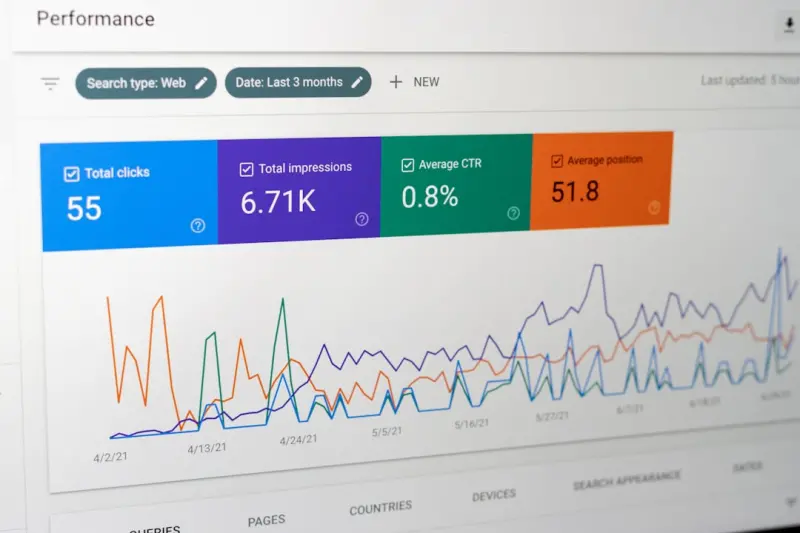
Zero‑click optimization is an ongoing experiment rather than a set‑and‑forget tactic. Track the impressions and click‑through rates of your featured snippets, FAQ entries, and PAA positions using Google Search Console’s performance report. Look for trends—if a particular answer’s CTR drops, it may indicate that competitors have introduced a more compelling response or that user intent has shifted. In such cases, revisit the content, add fresh data, or restructure the answer to regain prominence. Additionally, monitor indirect benefits such as brand lift and referral traffic from users who discover your authority through a snippet and later search for deeper information. By treating each zero‑click asset as a living component of your SEO ecosystem, you ensure sustained visibility and keep your brand at the forefront of the evolving search landscape.

William Roy is a freelance writer originally from Montreal who moved to Ottawa with his wife of 50 years to be closer to their grandkids. Alongside his writing, William has a passion for fishing.
Related Posts
The Evolution of SEO: Strategies to Stay Ahead in a Rapidly Changing Landscape
SEO has come a long way since its inception. Learn how to stay ahead of the curve and adapt your SEO... Read More

The SEO Lab: Turning Hypotheses into Rankings for B2B SaaS
Learn how to build an SEO experiment lab that integrates cross‑functional insights, predictive int... Read More
Future‑Proofing SaaS SEO for Voice and AI‑Driven Search
Voice assistants are reshaping SaaS discovery. This guide shows how to optimize for spoken queries, ... Read More
Top Posts

The Human‑Centric SEO Playbook: Turning Trust into Rankings
I’m peeling back the layers of today’s SEO shift, showing why authenticity beats algorithms and how you can embed human‑centric tactics into every ranking...Read More

Empower Your Team: A Playbook for Turning Employees into Social Media Superstars
Discover a step‑by‑step guide to turn every employee into a brand ambassador, measure real ROI, and integrate advocacy with ABM for powerful B2B SaaS growth...Read More

Beyond Clicks: How Interactive Storytelling is Redefining B2B Digital Marketing
Interactive storytelling turns passive B2B prospects into active participants, delivering personalized, data‑rich experiences that move beyond clicks to real ...Read More
Navigating the Ever‑Changing SERP: A Resilience Playbook for SaaS
The SERP is no longer a static list of links; it’s a dynamic canvas of tiles, personalized results, and brand panels. This post offers a practical resilience ...Read More
0 Comments
Post Comment
You will need to Login or Register to comment on this post!