

Riding the SEO Rollercoaster: My 2024 Reality Check
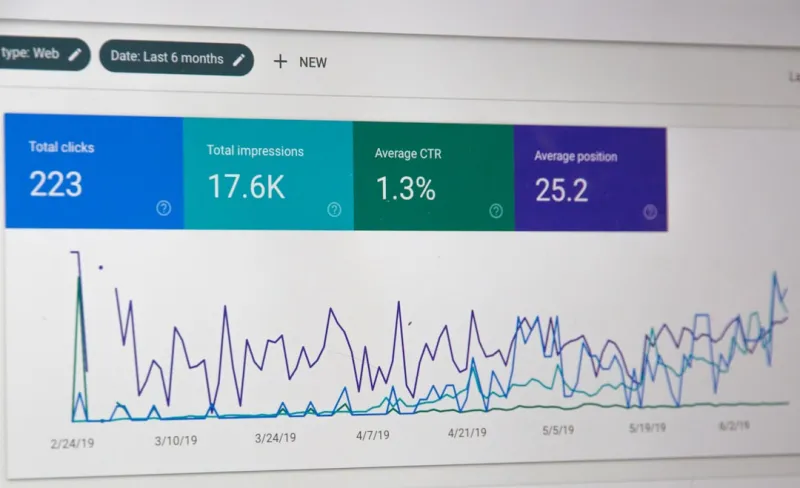
When I first opened my laptop this January, the search landscape felt like a high‑speed coaster—thrilling, a little terrifying, and impossible to predict. As a longtime strategist, I’ve learned to read the tracks, but 2024 has thrown curve‑balls in the form of AI‑generated content, ever‑shifting user intent, and Google’s relentless push for real‑world relevance. Staying grounded means accepting that volatility is the new normal and that my job is to turn that chaos into a repeatable, data‑driven process that keeps traffic flowing and conversions climbing.
Data‑First Keyword Research in an Unstable World
My first line of defense against the rollercoaster is a rigorous, data‑first keyword strategy that looks beyond volume to uncover the hidden layers of user intent. I start by mining search console data, blending it with third‑party intent clusters, and then I map each keyword to a specific stage in the buyer’s journey. This granular approach helps me avoid the temptation to chase fleeting trends and instead builds a foundation of evergreen relevance. If you’re feeling the same disorientation, my recent deep‑dive in Why SEO Still Feels Like a Rollercoaster in 2024—and How I Stay on Track walks you through the exact spreadsheet I use to keep my keyword map tidy and actionable.
Once the intent map is solid, I layer on semantic relevance using LSI terms, question‑based queries, and emerging long‑tail phrases that Google’s NLP models love to surface. This isn’t just about stuffing keywords; it’s about weaving a narrative that satisfies both the algorithm and the human reader. The result is a content ecosystem that feels cohesive, authoritative, and—most importantly—aligned with the real problems my audience is trying to solve.
Technical Foundations: Mobile, Core Web Vitals, and the New Crawl Budget
Technical SEO has never been more critical, and the stakes are highest on mobile. With Google’s mobile‑first index now the default, any hiccup on a small screen instantly translates into lost clicks and rankings. I conduct a comprehensive audit that checks everything from server response times to cumulative layout shift, ensuring that each page meets the Core Web Vitals thresholds that Google publicly shares. For those looking for a step‑by‑step guide, the Mobile SEO Mastery in 2024: Tom Ferguson’s Insider Playbook breaks down the exact tools I trust to surface hidden bottlenecks.
Beyond speed, I also pay close attention to crawl budget allocation. In an era where AI can generate hundreds of pages in a day, it’s essential to signal to Google which assets deserve its attention. I implement a hierarchical URL structure, consolidate low‑value thin pages, and use robots.txt strategically to keep the crawl budget focused on high‑impact content. This disciplined approach reduces wasted indexing and ensures that my most valuable pages rise to the top of the SERPs.
Content Architecture: Pillars, Clusters, and E‑E‑A‑T
Content isn’t just a collection of blog posts; it’s an interconnected web that Google interprets as expertise, authority, and trust—collectively known as E‑E‑A‑T. I start by identifying core pillars that reflect the primary themes of my brand, then I build tightly knit clusters around each pillar, linking back to the central hub. This structure not only boosts internal linking equity but also makes it easier for users to navigate a logical learning path, increasing dwell time and reducing bounce.
To reinforce authority, I embed author bios, citation of reputable sources, and real‑world case studies throughout the clusters. This layered proof‑point strategy signals to Google that the content isn’t just fluff—it’s backed by lived experience and measurable results. When done right, the pillar‑cluster model can dominate a niche, making it virtually impossible for competitors to outrank you on the same set of keywords.
Sustainable Link Building: Quality Over Quantity
In the age of AI, link building has evolved from a numbers game to a relationship‑focused craft. I no longer chase massive backlink volumes; instead, I aim for a handful of high‑authority placements that align with my brand narrative. The secret sauce lies in creating link‑worthy assets—original research, interactive tools, or in‑depth industry reports—that naturally attract editorial attention.
If you’re wrestling with how to secure those coveted links, my favorite resource is Link Building in 2024: Deb Roberts’ Blueprint for Sustainable Authority. Deb outlines a systematic outreach workflow that blends personalization, data‑driven prospecting, and genuine value exchange. By treating each outreach as a partnership rather than a pitch, you’ll build a backlink profile that not only survives algorithm updates but also fuels long‑term organic growth.
AI‑Generated Content: Harnessing the Power Without Losing the Human Touch
Artificial intelligence has democratized content creation, but it also poses a risk of homogenization if not managed carefully. I leverage AI for first‑draft generation, topic clustering, and even meta‑description optimization, but I always layer a human editor on top to infuse personality, nuance, and brand voice. This hybrid workflow accelerates production without sacrificing quality, allowing me to publish at scale while keeping the reader experience authentic.
One practical tip I use is to set AI parameters that prioritize “originality” scores and incorporate a “human‑edit flag” before any piece goes live. This ensures that the final output passes both the Google algorithm’s expectations for uniqueness and the audience’s desire for genuine insight. The sweet spot is where efficiency meets empathy—a place where traffic numbers and brand loyalty grow hand‑in‑hand.
Capturing SERP Real Estate: Featured Snippets, Video, and Local Packs
Today's SERP is a multimedia arena, and ranking for a traditional blue link is no longer enough. I audit my content for opportunities to appear in featured snippets by structuring answers in concise, bullet‑point formats and using clear, declarative language. For visual dominance, I produce short, captioned videos that answer the same queries, then embed them on the page and push them to YouTube with optimized titles and timestamps.
Local SEO remains a powerhouse for businesses with physical footprints. I ensure NAP consistency across citations, leverage Google My Business posts, and incorporate geo‑specific long‑tail keywords into my content clusters. By covering all SERP formats—text, visual, and local—I create multiple entry points for users, amplifying my brand’s presence across the search landscape.
The Future‑Proof Mindset: Continuous Learning and Agile Adaptation
Finally, the most sustainable strategy is a mindset of relentless learning and agile adaptation. I allocate time each week to scan industry newsletters, attend webinars, and test emerging tactics in sandbox environments before rolling them out at scale. This proactive approach turns the unpredictable nature of 2024 into an advantage, allowing me to pivot before competitors even notice the shift.
In practice, this means setting up small‑scale experiments—like testing a new schema markup or a different internal linking hierarchy—and measuring impact with statistically significant data. When a test proves successful, I double down; when it doesn’t, I document the lessons and move on. By treating every change as a hypothesis, I keep my SEO strategy fluid, data‑driven, and resilient against whatever the next algorithm update throws our way.

Sarah Gray is a proud Canadian who calls Brampton home, where she lives with her husband, Paul. A passionate home cook and gifted storyteller, Sarah loves creating delicious recipes and sharing stories inspired by everyday life, family, and cherished experiences. When she isn't experimenting in the kitchen, she's busy crafting engaging content that reflects her warmth, creativity, and love of connection. Above all, Sarah treasures time spent with her grandchildren, embracing every opportunity to create lasting memories with the people she loves most.
Related Posts

Why Structured Data Is the Secret Weapon for SaaS SEO
Discover why structured data is the hidden catalyst for SaaS SEO success, with a step‑by‑step gu... Read More

Intent‑First SEO: Building a Content Funnel That Guides Users From Curiosity to Conversion
Discover an intent‑first SEO roadmap that aligns keywords, content formats, and technical foundati... Read More
Empathy‑First SEO: Turning Rankings Into Real Connections
Learn why empathy is the new engine behind SEO, how to blend it with technical foundations, and acti... Read More
Top Posts

The Hidden Power of Interactive Tools for Sustainable Link Building
Explore why interactive assets like calculators and quizzes are the new frontier in link building, offering sustainable backlinks and higher engagement without ...Read More

Decentralized Influencer Networks: How Blockchain Is Redefining Trust in Digital Marketing
Discover how blockchain is reshaping influencer marketing with transparent, tokenized collaborations that build trust, democratize access, and drive sustainable...Read More

Riding the SERP Rollercoaster: Mastering Volatility for SaaS Success
SERP volatility can cripple SaaS growth, but with the right data, dashboards, and tactical responses, teams can turn ranking swings into revenue opportunities. ...Read More

Decoding JavaScript Rendering for SaaS: A Technical SEO Blueprint
This guide walks SaaS teams through the intricacies of JavaScript rendering, offering a practical checklist, advanced edge‑rendering tactics, and KPI insights...Read More
0 Comments
Post Comment
You will need to Login or Register to comment on this post!