
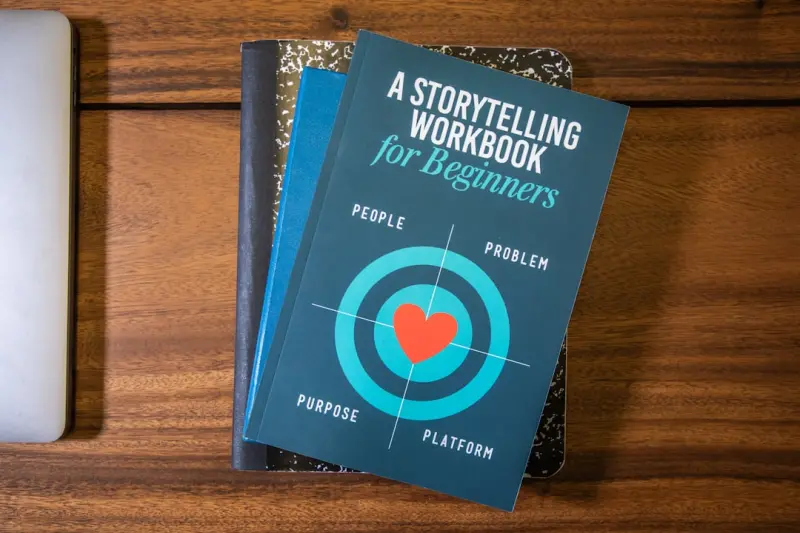
Neighborhood Storytelling: A Fresh Playbook for Local SEO
When I first moved to the bustling downtown of my new city, I realized something: the most compelling online content wasn’t the glossy corporate press releases or the polished case studies. It was the stories whispered over coffee, the murals that turned alleyways into landmarks, and the neighborhood festivals that turned strangers into regulars. Those narratives are the secret sauce for hyper‑local SEO, and they’re surprisingly under‑leveraged by SaaS brands that depend on local visibility.
In this post, I’ll walk you through a step‑by‑step framework for turning community narratives into ranking powerhouses. We’ll explore how to discover authentic stories, embed them into your digital assets, and amplify them without sounding “salesy.” Think of it as a modern, data‑driven spin on the age‑old principle: people love stories, and Google loves content that answers real‑world intent.
Why Neighborhood Narratives Outperform Traditional Tactics
Traditional local SEO tactics—Google Business Profile optimization, citation building, and keyword‑rich landing pages—are still essential. Yet, they’re reaching a point of diminishing returns. The search landscape is shifting toward experience‑first signals. Google’s algorithms increasingly prioritize content that demonstrates genuine relevance to a user’s immediate environment.
- Intent Alignment: A user searching for “best coffee near the farmer’s market” isn’t just looking for any coffee shop; they want a place that feels part of the market’s vibe.
- Engagement Metrics: Stories that spark comments, shares, and local backlinks signal to Google that the page is valuable to the community.
- Trust Signals: When a brand references a well‑known local event or landmark, residents perceive it as an insider, boosting credibility.
In short, narrative‑rich content bridges the gap between “what the user needs” and “what the user feels.” That emotional resonance translates into lower bounce rates, longer dwell times, and—most importantly—higher local rankings.
The Three‑Phase Neighborhood Storytelling Framework
Let’s break down the process into three manageable phases: Discover, Craft, Amplify. Each phase is designed to be repeatable, scalable, and measurable.
Phase 1: Discover – Mining Authentic Local Stories
Before you write a single word, you need to know what your community cares about. Here are my go‑to methods:
- Community Calendars & Event Boards: Scan municipal websites, local newspapers, and platforms like Eventbrite for recurring events (farmers’ markets, art walks, charity runs). These are natural hooks for content.
- Social Listening on Neighborhood Groups: Facebook groups, Nextdoor, and subreddit threads (e.g., r/YourCity) reveal pain points, favorite hangouts, and emerging trends.
- In‑Person Fieldwork: Attend a local event or pop‑up. Take notes, snap photos (with permission), and talk to attendees. First‑hand experiences generate the most authentic anecdotes.
- Leverage Existing Customer Data: If you already have a user base in the area, pull anonymized usage trends and testimonials that reference local landmarks or events.
When you compile this intel, look for recurring themes: “community sustainability,” “local art,” “family‑friendly activities,” or “tech meetups.” These become the pillars of your storytelling strategy.
Phase 2: Craft – Turning Raw Data Into SEO‑Friendly Stories
Now that you have a library of local anecdotes, it’s time to shape them into content that both humans and search engines love.
- Structure Around the “Who, What, Where, When, Why” Framework: Each piece should answer a clear local query. For example, “Why the Saturday Night Jazz Series in Riverfront Park is a Must‑Visit for Tech Professionals.”
- Integrate Hyper‑Local Keywords Naturally: Use neighborhood names, street names, and venue titles. Tools like Ahrefs’ “Keyword Explorer” can surface long‑tail queries (e.g., “coworking space near Riverfront Park”).
- Embed Structured Data: Use
LocalBusinessschema andEventmarkup to help Google surface your content in rich snippets. Our Structured Data Secrets for SaaS SEO Success guide offers a deep dive on this. - Visual Storytelling: Include high‑resolution images, short videos, or 360° tours of the local venue. Optimize file names (e.g., riverfront‑park‑jazz‑night.jpg) and alt text with target keywords.
- Call‑to‑Action (CTA) Tailored to the Locale: Invite readers to “Join our upcoming webinar hosted at Riverfront Café” or “Download the free guide to navigating the Saturday Market.” This drives local engagement and conversions.
Remember, the goal isn’t to produce a generic “Top 10 Things to Do” list. It’s to weave your brand into the fabric of the community’s story while subtly highlighting how your SaaS solution solves a localized pain point.
Phase 3: Amplify – Getting the Story in Front of the Right Eyes
Creating great content is half the battle; distribution is where the magic happens. Here’s how to push your neighborhood narratives into the spotlight:
- Local Influencer Partnerships: Not the macro‑influencers we often discuss, but micro‑influencers who are embedded in the community (e.g., a local food blogger or a neighborhood photographer). A brief collaboration—like a guest post or Instagram takeover—extends your reach.
- Earned Media Through Community Press: Pitch your story to local newspapers, radio stations, or city newsletters. Position it as a “community spotlight” rather than a brand promotion.
- Google Business Profile Posts: Share snippets of your narrative as GMB posts, linking back to the full article. Use the “Events” feature to sync with the same dates you mentioned.
- Cross‑Channel Repurposing: Turn the article into a short video for YouTube, a carousel for Instagram, and a slide deck for LinkedIn. Each format should retain the local keywords and links.
- Internal Linking Strategy: Connect the new story to existing local content (like our Micro‑Targeted Local SEO piece). This builds a topical silo that signals authority to Google.
By amplifying through multiple channels, you create a network of signals that reinforce the story’s relevance, dramatically improving its chances of ranking in the Local Pack and beyond.
Measuring Success: KPIs That Matter for Neighborhood Storytelling
Metrics are the compass that tells you whether you’re on the right path. Here are the key performance indicators you should track:
- Organic Visibility: Monitor local SERP rankings for hyper‑local keywords (e.g., “project management tool near Riverfront Park”). Tools like BrightLocal can help.
- Engagement Metrics: Track time on page, scroll depth, and social shares. A high engagement rate indicates that the story resonates.
- Local Backlinks: Count backlinks from local news sites, community blogs, and event pages. These are powerful trust signals.
- Conversion Rate from Local Traffic: Set up UTM parameters to isolate traffic from the neighborhood story page. Measure sign‑ups, demo requests, or free trial activations.
- Google Business Profile Insights: Look for spikes in “searches where your business appears” and “actions taken on your profile” after publishing the story.
Iterate based on the data. If a particular story drives a surge in local sign‑ups, replicate its structure for other neighborhoods.
Common Pitfalls and How to Avoid Them
Even the best‑intentioned attempts can fall flat if you miss a few critical nuances.
- Over‑Optimization: Stuffing too many keywords or repeating the same phrase can trigger Google’s spam filters. Keep language natural.
- Generic Storytelling: Avoid “one‑size‑fits‑all” narratives. Each neighborhood has its own culture; tailor the tone accordingly.
- Neglecting Visuals: A story without compelling images feels flat. Invest in local photography or user‑generated content.
- Ignoring Reviews: Local reviews are a goldmine for authentic quotes. Incorporate them with permission to add credibility.
- Skipping Structured Data: Without proper schema, you lose the chance for rich results that dramatically boost click‑through rates.
Future Outlook: Neighborhood Storytelling in an AI‑Driven World
Artificial intelligence is reshaping how search engines interpret context. Large language models are getting better at recognizing the “local flavor” of content. By feeding them rich, story‑driven data, you position your brand as a primary source of localized knowledge—something AI will surface more often as it seeks authoritative answers.
Imagine a future where a user asks their voice assistant, “Find a project‑management app that integrates with the downtown coworking space’s Wi‑Fi.” If you’ve embedded neighborhood narratives into your site, that AI could pull your content as the top recommendation, driving hyper‑localized conversions.
Getting Started Today
Ready to turn your SaaS brand into a neighborhood champion? Here’s a quick starter checklist:
- Identify three local events or landmarks relevant to your target audience.
- Conduct a 2‑hour field visit to gather photos, quotes, and observations.
- Draft a 1,200‑word story following the “Who, What, Where, When, Why” framework.
- Implement
LocalBusinessandEventschema on the page. - Publish and promote via GMB posts, a micro‑influencer, and a local news outlet.
- Set up tracking for organic rankings, engagement, and local conversions.
By embedding yourself in the narrative of the community, you not only boost local SEO but also foster genuine relationships that translate into long‑term brand loyalty. It’s a win‑win that no algorithm update can dethrone.
Happy storytelling, and may your rankings rise as organically as the local coffee scene you’ve just helped spotlight.

When it comes to the world of blogging and writing, Rose DesRochers is a name that stands out. Her passion for creating quality content and connecting with her audience has made her a trusted voice in the industry. Aside from her skills as a writer and blogger, Rose is also known for her compassionate nature.
Related Posts
Optimizing for Local Search: A Comprehensive Guide to Dominating Local SEO
Discover the power of local SEO and learn how to optimize your business for local search. Get starte... Read More

Local FAQ Hubs: Turning City‑Specific Questions into SaaS Leads
A step‑by‑step guide to building scalable, city‑focused FAQ pages that capture hyper‑local i... Read More

Hyper‑Local Search: Turning Neighborhood Signals into Qualified SaaS Leads
A deep dive into hyper‑local search strategies that transform nearby queries into high‑intent Sa... Read More
Top Posts

Neighborhood Partnerships: A Fresh Playbook for Local SEO Success
Partnering with nearby shops, using geo‑fencing events, and sharing community data can reshape your local SEO strategy, driving real‑world visits and strong...Read More

Linkable Assets That Actually Earn High‑Quality Links for SaaS
Learn why building interactive calculators, benchmark dashboards, and templates can turn your SaaS product into a natural backlink magnet, driving traffic and l...Read More

The Evolution of Google SERPs: A Game-Changer for Online Visibility
The evolution of Google SERPs has transformed online visibility, requiring businesses to adapt their SEO strategies. Learn how to optimize for featured snippets...Read More

From Broadcast to Command Center: Redefining Social Media for SaaS
Social media is no longer a megaphone for SaaS marketers; it’s a real‑time community command center. Learn how to build, govern, and leverage niche platform...Read More
0 Comments
Post Comment
You will need to Login or Register to comment on this post!