
When I first started mapping out local SEO strategies for our SaaS platform, I quickly realized that “local” doesn’t have to mean a whole city or county. In fact, the most profitable pockets often sit inside a single zip code. By zooming in on these micro‑geographies, SaaS companies can personalize their messaging, boost relevance, and drive higher conversion rates—without the massive budgets that traditional local campaigns demand.
Why Zip‑Code Level Targeting Beats Broad “Neighborhood” Tactics
Most local SEO guides talk about ranking for a city or a region. That approach works for brick‑and‑mortar stores, but SaaS businesses sell a digital service that can be accessed from anywhere. The real differentiator is hyper‑local relevance. When a prospect sees a landing page that mentions their exact zip code, the perceived effort we’ve taken to understand their context skyrockets. This micro‑targeted relevance translates into three core benefits:
- Higher Click‑Through Rates (CTR): Search snippets that include a zip code stand out in SERPs, making users more likely to click.
- Improved Conversion: Tailored content addresses local pain points (e.g., compliance regulations, industry clusters) that generic pages miss.
- Lower Cost‑Per‑Acquisition (CPA): Because the audience is more qualified, paid campaigns that layer on top of organic efforts see better ROI.
Building a Hyper‑Local Content Hub
The foundation of zip‑code SEO is a content hub that aggregates every piece of localized information in one place. Here’s how to construct it:
- Identify High‑Value Zip Codes. Use your CRM to surface the top 10‑20 zip codes that already generate the most qualified leads or revenue. Look for patterns: industry clusters, compliance hot spots, or regions with a high concentration of target personas.
- Create Dedicated Landing Pages. For each zip code, build a unique URL (e.g.,
/solutions/ny/10001). The page should include:- A headline that mentions the zip code and the specific industry need.
- Customer case studies or testimonials from businesses within that zip code.
- Localized data points—average salary, market size, or regulatory specifics.
- A clear call‑to‑action (CTA) aligned with the local buyer’s journey (demo, free trial, consult).
- Leverage Structured Data. Implement
LocalBusinessandGeoCoordinatesschema on each page. Google loves precise location markup, and it can surface your page in the “local pack” even for a SaaS offering. - Cross‑Link Between Zip Pages. Use a “Nearby Zip Codes” widget to interlink pages, spreading link equity and signaling to search engines the geographic relevance cluster.
Geo‑Targeted Blog Posts That Feed the Hub
While landing pages capture intent, blog content nurtures interest. Write pieces that answer hyper‑local queries such as:
- “How Regulation X Affects SaaS Compliance in 94107”
- “Top 5 Tech Meetups for SaaS Founders in 75201”
- “Why Remote Teams in 60614 Prefer Our Collaboration Tool”
Each post should link back to the relevant zip‑code landing page, reinforcing the topical relevance. And don’t forget to embed internal links to other high‑performing resources. For instance, when discussing how personalized search impacts local visibility, you can reference our deep dive on SERP personalization: Decoding SERP Personalization for SaaS Growth. This not only boosts dwell time but also signals expertise to Google.
Optimizing Google Business Profile for SaaS
Many SaaS teams overlook the Google Business Profile (GBP) because they think it’s only for physical storefronts. In reality, a well‑optimized GBP can dominate local packs for software‑related queries (e.g., “project management SaaS in 02110”). Here’s how to make it work:
- Set the Service Area. Define the zip codes you serve rather than a single address. This tells Google you’re relevant to those regions.
- Use Category Tags Wisely. Choose categories that blend software with local relevance, such as “Business Management Software” plus “Technology Consultant.”
- Publish Local Posts. Share updates about webinars, case studies, or localized promotions directly on your GBP. Each post can include a CTA that routes to the appropriate zip‑code landing page.
- Collect Geo‑Specific Reviews. Encourage customers to mention their zip code in reviews (“Our 80202 office loves the new workflow”). These keywords appear in the snippet and reinforce local relevance.
Leveraging User‑Generated Geo‑Reviews
Social proof is a massive conversion driver. When reviews include location details, they act as “mini‑landing pages” that Google can index. To harvest them:
- Integrate a post‑purchase survey that asks for a short testimonial and an optional zip code.
- Feature these reviews on the corresponding zip‑code landing page, using
blockquotemarkup andSchema.org Reviewtags. - Promote the best geo‑reviews on social media and embed them in email signatures for added exposure.
These steps amplify local signals without additional content creation costs.
Local Paid Search as an Amplifier
Even with stellar organic visibility, a modest paid boost can accelerate results. Here’s a playbook for hyper‑local PPC:
- Geo‑Target by Zip Code. Use the “Location” setting in Google Ads to bid only on the zip codes you’ve built landing pages for.
- Dynamic Keyword Insertion (DKI). Insert the zip code directly into the ad copy (“SaaS Solutions for 30303 Businesses”).
- Ad Extensions. Add a “Location Extension” that points to your GBP and a “Sitelink Extension” linking to the specific zip‑code page.
- Bid Adjustments. Allocate higher bids to high‑value zip codes identified from your CRM data, and lower bids for exploratory regions.
When combined with organic micro‑local pages, paid campaigns can dominate the SERP real estate for that zip code, reinforcing brand authority.
Measuring Success: The Hyper‑Local KPI Dashboard
Traditional SEO dashboards focus on domain authority, overall traffic, and keyword rankings. For zip‑code SEO, you need a more granular view:
| Metric | Description |
|---|---|
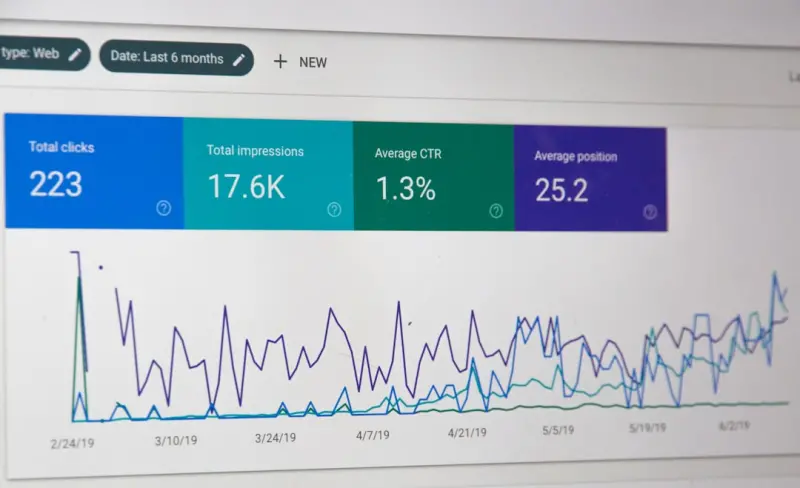
| Impressions by Zip Code | Google Search Console shows how often each localized page appears in SERPs. |
| CTR by Zip Code | Higher CTR indicates that the zip‑code mention resonates. |
| Conversion Rate (Demo Sign‑ups) | Track form submissions on each landing page. |
| Cost per Lead (CPL) – Paid | Calculate CPA for zip‑code targeted ads. |
| Review Volume & Sentiment | Number of geo‑specific reviews and their average rating. |
By visualizing these metrics side‑by‑side, you can quickly identify which micro‑geographies deliver the highest ROI and double‑down on them.
Scaling the Model Across Multiple SaaS Products
If your company offers a suite of solutions, you don’t need to start from scratch for each one. Follow these steps:
- Map Overlapping Zip Codes. Identify zip codes that generate leads for multiple products. These become “anchor” zones where you can cross‑sell.
- Create Hub‑and‑Spoke Pages. One master page for the zip code, with tabs or sections for each product.
- Use Dynamic Content Blocks. Leverage your CMS to pull in the relevant product copy based on URL parameters (e.g.,
?product=crm). - Maintain Consistent Schema. Each product section should have its own
Productmarkup while sharing the sameLocalBusinessentity.
Future‑Proofing with Emerging Search Features
Google’s AI‑driven SERP overlays are already surfacing “local packs” for queries that previously only showed organic results. While we have a deep dive on generative search elsewhere—see Mastering Google’s Generative Search for SaaS Growth—the takeaway for hyper‑local SEO is simple: content must be both highly relevant and technically precise. By feeding structured data, localized copy, and geo‑specific signals into Google’s AI, you increase the odds that your zip‑code page will appear in those rich overlays.
Quick Checklist: Hyper‑Local SEO for SaaS
- Identify top‑performing zip codes from CRM.
- Build dedicated landing pages with localized copy, case studies, and schema.
- Publish supporting blog posts that target zip‑code specific queries.
- Optimize Google Business Profile for service‑area zip codes.
- Collect and display geo‑specific reviews.
- Launch zip‑code targeted PPC with DKI and location extensions.
- Track micro‑local KPIs in a dedicated dashboard.
- Iterate: expand to new zip codes based on performance data.
Hyper‑local SEO isn’t a gimmick—it’s a strategic lever that lets SaaS businesses compete on relevance, not just scale. By treating each zip code as a mini‑market with its own voice, you’ll turn what looks like a tiny slice of geography into a powerful growth engine.

Jessica Hall is a dynamic freelance writer based in the vibrant city of London, Ontario. As a dedicated single mom, she expertly juggles the demands of parenthood with her passion for storytelling, crafting compelling narratives that resonate with readers. With a background in retail, Jessica brings a unique perspective to her writing, infusing her work with insights drawn from her experiences.
Related Posts

Hyperlocal Mapping: The Next Frontier in Local SEO
Learn a step‑by‑step hyperlocal SEO strategy that combines precise mapping, user‑generated pho... Read More
Hyperlocal Partnerships: The Untapped Engine Behind Local SEO Success
Learn why teaming up with local businesses and creating hyper‑focused neighborhood guides can tran... Read More

How Community Sponsorships Supercharge Local SEO for SaaS Brands
Learn why partnering with local organizations and events can skyrocket your SaaS brand’s local sea... Read More
Top Posts

The Mobile-First Revolution: How to Stay Ahead in Mobile SEO
The mobile-first revolution is here to stay, and businesses must prioritize mobile-friendliness to stay ahead. Learn the latest mobile SEO trends and tips to dr...Read More

Boost Your Neighborhood Business with Human‑Centric Local SEO
Learn to turn community conversations into powerful local SEO, from Google My Business tweaks to hyper‑local content, and watch your neighborhood business thr...Read More

Mastering Mobile SEO: Empathy‑First Strategies for Real‑World Rankings
A deep dive into empathy‑first mobile SEO, covering responsive design, speed, local voice search, and future‑proof tactics that turn mobile traffic into rea...Read More

Turning Search Friction into Retention: An SEO Playbook for Reducing SaaS Churn
Discover a fresh SEO strategy that goes beyond acquisition, targeting churn‑inducing queries, optimizing internal search, and integrating retention content in...Read More
0 Comments
Post Comment
You will need to Login or Register to comment on this post!