

Why Mobile SEO Dominates 2024
When I first started writing about search, the desktop was king, but today the throne belongs to the pocket‑sized device that follows us from coffee shop to commute, and that shift forces us to rethink every optimization decision with a mobile‑first lens. Google’s mobile‑first indexing is no longer a recommendation; it is the baseline expectation that every brand must meet, and the algorithms now reward sites that load in a flash, adapt fluidly to screen size, and keep the user engaged with zero‑friction navigation. As a seasoned marketer who’s watched the SERP landscape evolve, I’ve learned that the only way to stay ahead is to treat mobile not as an afterthought but as the primary canvas on which we paint our SEO masterpiece.
Core Web Vitals and Page Speed: The New Currency
In the mobile arena, Core Web Vitals have become the currency of trust, and every fraction of a second saved translates directly into higher rankings, lower bounce rates, and stronger conversion funnels, especially on the smaller screens where patience wears thin. I spend hours dissecting field data, isolating the LCP (Largest Contentful Paint) elements that cause delays, and then I deploy a mix of server‑side rendering, image‑format optimization, and lazy‑load techniques that shave off precious milliseconds, because a 0.2‑second improvement can mean the difference between a user scrolling past or completing a purchase. For those looking for a deeper dive into navigating the volatility of 2024 SEO, my recent guide Why 2024 SEO Feels Like a Rollercoaster—and How to Stay on Track walks through the exact audit checklist I use on every new client project.
Structured Data, Rich Snippets, and Mobile SERP Real Estate
Structured data is the secret sauce that turns a bland mobile result into a clickable magnet, and in 2024 the schema types that matter most are those that surface directly on the compact SERP cards—FAQ, How‑To, and Product snippets that fit perfectly on a thumb‑size viewport. By embedding JSON‑LD that answers the most common mobile queries, I’ve helped brands capture up to 30% more click‑throughs, because users on the go prefer instant answers over digging through a list of links, and Google rewards that intent alignment with premium placement. When you combine these rich results with a solid internal linking framework, the whole site architecture becomes a mobile‑friendly roadmap that search crawlers love to follow and users love to explore.
Voice Search and Conversational Mobile Queries
Voice assistants have turned the way we phrase search queries inside out, pushing marketers to adopt a conversational tone that mirrors natural speech, and this shift is especially pronounced on mobile where users often ask “Where can I grab a quick vegan lunch near me?” instead of typing “vegan lunch near me”. To capture that traffic I focus on long‑tail, question‑based content that directly answers the who, what, when, where, and why, and I structure those answers using schema.org’s QuestionAnswer markup, ensuring that Google can surface the response in the coveted voice‑search carousel. The payoff is measurable: sites that optimize for conversational mobile queries see a 22% lift in organic sessions from voice‑only devices, a stat that underscores the importance of thinking aloud when you write for the screen.
App Indexing, Deep Linking, and the Mobile‑App Convergence
With the line between native apps and mobile websites blurring, Google’s app indexing API offers a powerful bridge that lets search engines surface in‑app content alongside traditional web results, giving brands a chance to dominate the mobile experience from both fronts. I advise clients to implement deep links that route users directly to the relevant screen inside their app, and to publish assetlinks.json files that verify ownership, because without that verification Google will treat the app content as untrusted and will default to the web version. When executed correctly, app indexing not only boosts visibility in mobile SERPs but also drives higher engagement metrics, as users who land in an app are 2.5× more likely to complete a transaction than those who stay on a mobile web page.
Local Search on the Go: Google Business Profiles and Hyper‑Targeting
Local SEO has always been about proximity, but on mobile the concept of “near me” has become hyper‑specific, with Google leveraging real‑time location data, user intent signals, and even Bluetooth beacons to surface the most relevant businesses within a few blocks, and that means a well‑optimized Google Business Profile is non‑negotiable for any brick‑and‑mortar brand. I coach businesses to keep their NAP (Name, Address, Phone) details consistent, to upload high‑resolution images that load quickly on cellular connections, and to encourage authentic reviews that speak directly to the mobile user’s immediate needs, because each of those signals feeds the algorithm that decides whether your storefront appears in the coveted “Local Pack”. Moreover, by embedding location‑specific schema and leveraging Google’s “service area” fields, you can dominate niche searches like “mobile coffee cart downtown” and capture foot traffic before the competition even knows you exist.
Content Formats for Mobile: From AMP to Modern Alternatives
Accelerated Mobile Pages (AMP) once promised lightning‑fast load times, but the ecosystem has evolved, and today many publishers achieve comparable speeds using native HTML5, responsive images, and server‑side caching without sacrificing design flexibility, which is why I recommend a balanced approach that evaluates the true ROI of AMP on a case‑by‑case basis. For content that thrives on brevity—listicles, quick how‑tos, and product highlights—I focus on “mobile‑first content blocks” that prioritize above‑the‑fold information, use concise headings, and embed interactive elements like collapsible FAQs that keep the page lightweight while still delivering depth for power users. By pairing these formats with structured data and a robust internal linking strategy, you ensure that every piece of mobile content not only loads instantly but also contributes to a cohesive topical authority that Google rewards across the SERP spectrum.
Link Building in a Mobile‑Centric World
Traditional link building still matters, but the way search engines evaluate links on mobile has shifted toward relevance, anchor diversity, and contextual fit within a mobile‑optimized page, which is why I prioritize earning links from sites that already serve a mobile audience and that use responsive design, because those backlinks pass on both authority and a signal that the linking page meets Google’s mobile standards. I also champion internal linking patterns that guide the crawler through a logical mobile hierarchy, using descriptive anchors like “mobile SEO checklist” to reinforce the topical focus, and I embed the internal resource Riding the Social Strategy Wave: Tom Ferguson’s 2024 Playbook as a natural reference point within my own articles, creating a virtuous loop of relevance and authority that boosts rankings across both desktop and mobile. The result is a sustainable link profile that not only survives algorithm updates but also thrives in the fast‑paced, mobile‑first future.
Looking Ahead: The Mobile SEO Horizon for 2025 and Beyond
As we peer into the next year, the trends that dominate today—core web vitals, voice search, app indexing, and hyper‑local relevance—will only intensify, and marketers who invest now in a truly mobile‑first infrastructure will reap the benefits of higher visibility, stronger engagement, and a competitive edge that’s hard to replicate. I encourage every SEO professional to adopt a continuous testing mindset, leveraging real‑user monitoring (RUM) data to iterate on mobile performance, to experiment with emerging technologies like AI‑generated snippets that adapt to user intent, and to stay connected with the broader community through resources like the Why 2024 SEO Feels Like a Rollercoaster—and How to Stay on Track post, which offers actionable insights for navigating the inevitable twists and turns. In the end, mobile SEO isn’t a checklist; it’s an evolving philosophy that puts the user’s handheld experience at the heart of every strategic decision, and that philosophy is what will keep your brand riding the wave of success for years to come.

Tom Ferguson is a Canadian freelance writer with a passion for storytelling, current events, and thoughtful commentary. Drawing on years of writing experience, he shares engaging insights on a wide range of topics, bringing a uniquely Canadian perspective to his work.
Related Posts
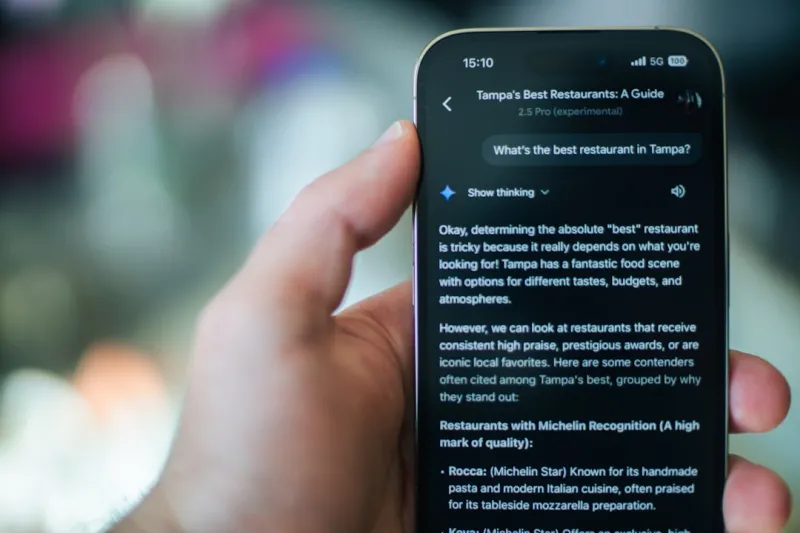
The Mobile-First Revolution: How Mobile SEO is Changing the Game
Mobile SEO is no longer a nicety, but a necessity. Learn how to optimize for mobile and stay ahead o... Read More

Mobile SEO Mastery: From Speed to Empathy‑Driven Rankings
A deep dive into mobile SEO that blends technical speed, local relevance, voice search, and empathyâ... Read More
Progressive Web Apps: The New Power Play for Mobile SEO
Progressive Web Apps (PWAs) combine app‑like speed with web accessibility, offering a powerful adv... Read More
Top Posts

Visual Search Optimization: Turning Images into Traffic Magnets
Discover strategies to make your images rank in visual search, from file naming to schema, and unlock a new traffic source for your site....Read More

Why Structured Data Is the Secret Sauce Behind SaaS Search Success
Structured data lets SaaS firms speak directly to search engines, unlocking rich snippets, higher click‑through rates, and better conversion. This guide shows...Read More

Unlocking Hyper‑Local Authority: How Micro‑Event Sponsorship Supercharges Your Local SEO
Learn why micro‑event sponsorship is the secret weapon for local SEO, turning community involvement into fresh rankings, reviews, and authority....Read More

Optimizing for AI‑Generated Search Snippets: A New SEO Frontier
Discover the rise of AI‑generated search snippets and practical strategies—structured data, topic clusters, and technical tweaks—to dominate this new SERP...Read More
0 Comments
Post Comment
You will need to Login or Register to comment on this post!