
Why Empathy Is the Core of Modern SEO
When I first fell in love with search engines, I was obsessed with rankings, keywords, and backlinks, but over time I realized that the algorithms reward human relevance more than any technical trick; today’s SERPs are essentially conversation hubs where users seek answers that feel personal and trustworthy. The pandemic accelerated this shift, turning casual clicks into deeper engagements, and I’ve watched brands that listen to their audiences blossom while those that shout louder fade into obscurity. In my own campaigns I now start every keyword research session by asking, “What emotion is behind this query?” and then I map that feeling to content that acknowledges the user’s context, because empathy has become the hidden currency that fuels click‑throughs, dwell time, and ultimately conversions.
Integrating Empathy with Technical Foundations
Technical SEO used to be a cold, code‑driven discipline, but I’ve learned that even the most meticulous site audits can benefit from a compassionate lens; for instance, when I spot a crawl error, I ask whether fixing it will improve the user’s journey rather than simply appeasing a bot, and that mindset leads to faster page loads, clearer navigation, and a site architecture that feels intuitive to real people. A recent deep‑dive I wrote on Bridging Code and Compassion illustrates how schema markup can be used to surface answers in a way that feels conversational, turning structured data into a bridge between search intent and empathetic content. By marrying rigorous technical health with a genuine desire to serve users, we create a foundation where Google’s AI can surface our pages as helpful allies rather than sterile listings.
Empathy‑Driven Content Strategies That Rank
The heart of any SEO strategy is content that resonates, and I’ve found that storytelling anchored in user emotions not only captures attention but also earns natural backlinks because people love to share pieces that speak to their experiences; this is why I prioritize narratives that reflect real customer journeys, incorporate authentic quotes, and address pain points with compassion. When I craft a blog post, I start with a persona’s day‑in‑the‑life scenario, then weave in data points that validate their concerns, and finally close with actionable steps that feel like a friendly handshake, a method that consistently lifts organic traffic and dwell time. For readers interested in a deeper dive, my piece on Link Building in the Empathy Era breaks down how outreach emails that acknowledge the recipient’s work and values outperform generic pitches by miles.
Local Search: Neighborhoods as Communities
Local SEO no longer revolves around simply inserting a city name into a title tag; it now thrives on cultivating genuine community connections, which means businesses must engage with neighborhood events, respond to reviews with heartfelt gratitude, and showcase hyper‑local stories that make residents feel seen and valued. In my recent audit of a boutique coffee shop, I encouraged them to create a “Meet the Barista” series, embed Google Maps snippets with personalized walking directions, and host a weekly Instagram live Q&A about local sourcing, tactics that transformed their “near me” searches from a handful of clicks to a bustling hub of foot traffic. The guide Why Empathy Is the New Engine Behind Local SEO Success provides a step‑by‑step roadmap for turning neighborhood bonds into ranking power.
Measuring Success With Human‑Centric Metrics
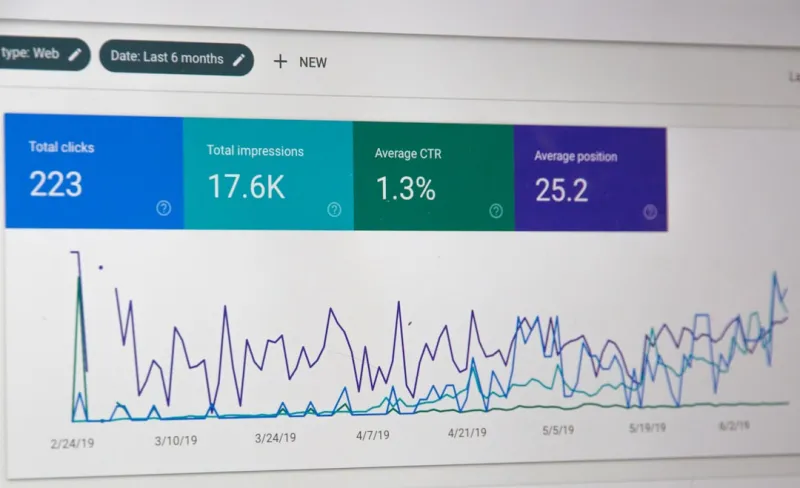
Traditional SEO dashboards are saturated with impressions, CTRs, and average positions, yet I argue that the most telling indicators are metrics that reflect human satisfaction, such as session satisfaction scores, repeat visit frequency, and the ratio of conversational queries that lead to conversions; these numbers tell a story about trust and relevance that raw traffic cannot. Google’s evolving SERP features, like “People also ask” and “Helpful content” labels, reward pages that demonstrate depth of understanding, so monitoring how often your content appears in those boxes can be a proxy for empathy effectiveness. My analysis in How Empathy Is Redefining the SERPs and Boosting Rankings shows a clear correlation between empathetic content signals and top‑five placement in featured snippets, reinforcing the need to track sentiment‑driven KPIs alongside classic SEO metrics.
Actionable Checklist for an Empathy‑First SEO Roadmap
- Conduct a “emotional intent” audit: map each target keyword to a user feeling and adjust meta copy to address that feeling directly.
- Revamp technical health with a user‑first lens: prioritize mobile‑first indexing, fast Core Web Vitals, and accessible markup that speaks to real browsers and real people.
- Develop content pillars that tell stories: combine data, customer quotes, and actionable advice in long‑form pieces that exceed 1,500 words and answer the “why” behind the query.
- Implement empathetic link‑building outreach: personalize every email, reference the prospect’s recent work, and propose collaborations that add genuine value.
- Activate local community signals: claim and enrich GMB listings, host neighborhood events, and encourage authentic reviews that highlight personal experiences.
- Track human‑centric KPIs: monitor repeat visits, session satisfaction, and featured snippet appearances alongside traditional traffic metrics.
Conclusion: From Noise to Conversation
In the ever‑evolving landscape of SEO, the most sustainable advantage is not a secret algorithm hack but a steadfast commitment to listening, understanding, and responding to the people behind the search; by weaving empathy into every technical and creative decision, we transform static listings into dynamic conversations that build brand loyalty and drive measurable growth. As we move forward, I encourage fellow marketers to shift their mindset from chasing clicks to nurturing connections, because when search engines recognize that our content truly helps users, the rankings will follow naturally. For a deeper look at turning online chatter into meaningful dialogue, explore my latest post on The Empathy Upgrade, where I share proven tactics for turning social media noise into authentic conversation.

Paula Wright writes from her home in Toronto Ontario, where she lives with her husband, Steve, and their two children. Driven by curiosity and a passion for storytelling, Paula loves to uncover the "why" and "how" behind every topic she covers. Her writing is fueled by her adventures; when she’s not at her desk, you’ll find her out on the road, camping under the stars, or wandering a new trail. Paula brings a sense of discovery and a fresh, real-world perspective to everything she writes for us.
Related Posts

Boost SEO‑Optimized Referral & Partner Pages for SaaS Growth
Discover why referral and partner pages are untapped SEO gold mines for SaaS companies and get a ste... Read More

Unlocking the Power of Visual Search: A Modern SEO Playbook
Discover a step‑by‑step visual SEO strategy that blends image optimization, structured data, and... Read More
Interactive SEO: Turning Gamified Experiences into Ranking Power
Explore a fresh SEO strategy that leverages interactive content—quizzes, calculators, and games—... Read More
Top Posts

Crawl Budget Mastery: How SaaS Platforms Can Capture Every Valuable Page
Mastering crawl budget is essential for SaaS platforms with thousands of dynamic pages. This guide shows how to audit URLs, use structured data, improve Core We...Read More
Mobile SEO Mastery: Tuning for Speed, Structure, and SERP Dominance
Learn the secret tactics to dominate mobile search: from Core Web Vitals to structured data, site architecture, and edge-driven performance, all in one practica...Read More
The Intersection of Social Media and SEO: A Game-Changing Strategy
Learn how to leverage the power of social media and SEO to drive more traffic, engagement, and conversions. Get expert insights and actionable tips on optimizin...Read More

Link Building 2.0: Harnessing Community‑First Content for Sustainable Authority
A modern take on link building for SaaS: shift from vanity metrics to community‑driven, data‑rich strategies that earn relevant, high‑impact backlinks and...Read More
0 Comments
Post Comment
You will need to Login or Register to comment on this post!