

Why AI‑Driven Search is the New Frontier for SaaS SEO
When I first started tinkering with search engine optimization, the rulebook was simple: keywords, backlinks, and a sprinkle of technical finesse. Fast‑forward to today, and the landscape feels like a living organism that learns, predicts, and even converses. AI‑powered search engines—think of Google’s generative models, large language models (LLMs) embedded in search, and emerging “prompt‑first” ranking signals—are reshaping how SaaS companies get discovered. Ignoring this shift isn’t just risky; it’s tantamount to turning off the lights on a highway you’re supposed to be driving down.
The Core Difference: From Keyword Matching to Intent Modeling
Traditional SEO was a game of matching exact phrases. Modern AI search, however, is all about understanding user intent in a nuanced, context‑aware way. An AI model can infer that a query like “best way to reduce churn for a subscription business” isn’t just about “churn reduction” but also about implementation strategy, pricing models, and customer success workflows. The result? Rankings are no longer a binary “yes/no” to a keyword; they’re a probability curve that favors content that anticipates the user’s deeper question.
Step 1: Map the Full Spectrum of User Intent
Start by expanding your intent taxonomy beyond the classic “informational / navigational / transactional” buckets. For SaaS, you’ll want layers such as:
- Strategic intent – long‑term business goals (e.g., “scale SaaS revenue without increasing CAC”).
- Operational intent – day‑to‑day challenges (e.g., “how to set up automated onboarding emails”).
- Technical intent – implementation specifics (e.g., “OAuth vs SAML for single sign‑on”).
- Comparative intent – side‑by‑side evaluation (e.g., “HubSpot vs Salesforce for mid‑market SaaS”).
By cataloguing these, you create a roadmap for content that speaks directly to the AI’s inference engine.
Step 2: Leverage Your Product Usage Data for Intent Signals
One of the most underutilised assets in a SaaS company is the data that tells you how customers actually use your product. When you combine that with search intent, you can predict the questions that are about to surface. For instance, if your analytics show a spike in users accessing “API rate limit” settings, you can proactively publish a guide titled “How to Optimize API Rate Limits for High‑Volume SaaS Apps.” This aligns perfectly with emerging search intent and gives you a head‑start on AI‑driven SERP placement. A great example of turning raw usage into predictive SEO can be found in Turning Product Usage Data into a Predictive SEO Engine.
Step 3: Craft Prompt‑Optimized Content
AI search models respond to prompts. Think of each paragraph as a mini‑prompt that guides the model toward the answer you want it to surface. To make this work:
- Start with a clear, concise answer. The first sentence should directly address the question (“Yes, you can integrate XYZ with ABC using a webhook”).
- Follow with context. Provide the why, when, and how in natural language.
- Include structured snippets. Tables, bullet points, and FAQs are read as “structured prompts” that the model can repurpose for featured snippets.
When done right, your content becomes a ready‑made answer that AI models can lift straight into the SERP, dramatically increasing visibility.
Step 4: Build Semantic Topic Clusters That Speak to the Model
While you might think “semantic clustering” is already covered elsewhere, the angle we need now is “semantic clustering for AI prompt compatibility.” Instead of grouping pages by loose theme, construct clusters that map a logical progression of prompts. For example:
- Core pillar: “SaaS onboarding best practices.”
- Supporting articles: “Designing a welcome email sequence,” “Measuring first‑week activation,” “Automating onboarding with Zapier.”
This hierarchy mirrors the way LLMs retrieve and synthesize information, making it easier for them to pull a complete answer from your site. A deep dive into effective clustering is available in Semantic Topic Clustering: Building an Authority‑Driven SEO Engine.
Step 5: Optimize for Zero‑Click and “People Also Ask” (PAA) Boxes
AI search loves quick, bite‑sized answers. The People Also Ask widget, featured snippets, and the new “AI‑generated answer” panels are the most coveted real‑estate on the SERP. To capture them:
- Identify recurring PAA questions using tools like AnswerThePublic or the Google Search Console “Queries” report.
- Write dedicated FAQ sections that answer each question in 40‑60 words, using bullet points or numbered steps.
- Mark them up with
FAQPageschema so the crawler knows they’re ready for extraction.
Remember, the goal isn’t just to rank; it’s to become the source the AI model cites when it builds its answer.
Step 6: Make Your CI/CD Pipeline SEO‑Aware
In a SaaS world, releases happen weekly, if not daily. If your SEO strategy can’t keep pace, you’ll fall behind. Integrate SEO checks into your continuous integration/continuous deployment (CI/CD) pipeline:
- Run automated audits for broken links, missing
alttags, and schema errors on every pull request. - Validate that new content follows the prompt‑optimised structure outlined in Step 3.
- Flag any changes that could affect crawl budget or page speed, especially for pages that serve as AI answer sources.
While this post isn’t about “Automating Technical SEO in Your SaaS CI/CD Pipeline,” the principle is the same: treat SEO as code, not an after‑thought.
Step 7: Measure Success with AI‑Centric Metrics
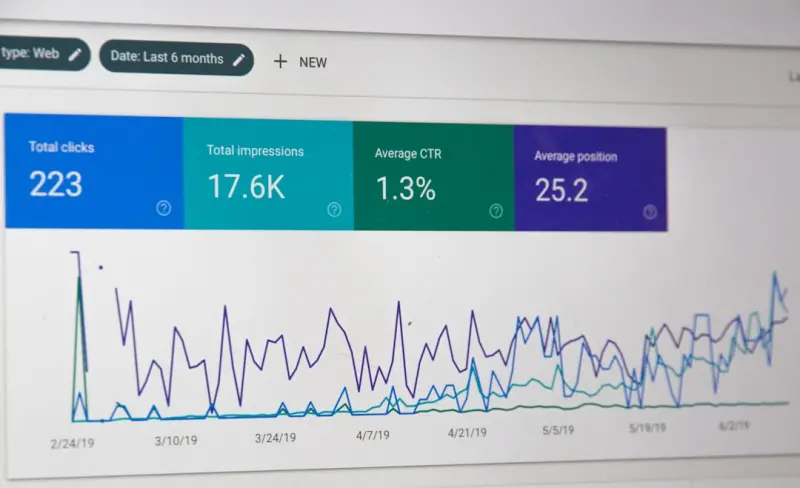
Traditional SEO metrics—organic traffic, keyword rankings, and backlinks—still matter, but they’re no longer sufficient. Add these AI‑centric KPIs to your dashboard:
- Featured snippet impressions. How often does your content appear in the AI‑generated answer box?
- Zero‑click rate. The proportion of searches that resolve without a click, indicating that your content is being used as the answer.
- Prompt relevance score. A custom metric that measures the semantic similarity between user queries and your top‑ranking content using vector embeddings.
Tracking these will reveal whether your AI‑first SEO strategy is actually feeding the models the right signals.
Step 8: Iterate, Test, and Double‑Down
The AI search ecosystem evolves faster than any traditional algorithm update. Adopt a test‑and‑learn mindset:
- Run A/B tests on prompt‑optimized headings versus classic keyword‑rich headings.
- Experiment with different schema types (FAQ, HowTo, Product) to see which yields the most AI answer placements.
- Use your product usage data to refine intent clusters every quarter, ensuring they stay aligned with real‑world customer journeys.
In the end, future‑proofing your SaaS SEO isn’t a one‑off project; it’s a continuous conversation with the AI that’s powering search.
Conclusion: Embrace the AI Conversation, Don’t Fight It
If you’re still writing for a search engine that only matches strings, you’re already a step behind. The modern SERP is a dialogue between the user, the AI, and the content you create. By mapping intent, leveraging product usage data, crafting prompt‑optimized copy, and feeding AI‑friendly structures into your CI/CD workflow, you’ll not only survive the AI search revolution—you’ll lead it. The future of SaaS SEO belongs to those who treat their content as a living prompt, ready to answer the next question before the user even asks it.

David MacKinnon is a dynamic freelance writer known for his captivating storytelling and keen insights into the world of technology. With a passion for exploring the intersection of innovation and everyday life, he crafts engaging narratives that not only inform but also inspire his readers.
Related Posts

Why Empathy Is the New Power Move in SEO
Empathy reshapes SEO by aligning content with real user needs, fostering authentic link building, an... Read More
AI‑Powered Content Clusters: Scaling SaaS Authority Without Burning Out
Learn a step‑by‑step framework for using AI to build SEO content clusters that turn your SaaS kn... Read More

Beyond Keywords: Mastering SEO for Augmented Reality and Visual Search
Explore the rise of augmented reality search and learn actionable tactics—schema, technical setup,... Read More
Top Posts

Technical SEO in 2026: AI, Crawl Budget, and the Human Edge
In 2026, Technical SEO is a blend of AI‑driven indexing, smart crawl‑budget tactics, and a renewed focus on human‑centric signals. Learn how to stay ahead...Read More

Unlocking Hyperlocal Landing Pages: A Fresh Playbook for Local SEO
Learn why hyperlocal landing pages are the next frontier in local SEO, how to build them with precise content, technical tweaks, and localized proof points, and...Read More

The Future of SEO: Navigating the Shifting Landscape
The world of SEO is rapidly evolving, and businesses must stay ahead of the curve to remain competitive. Learn how to navigate the shifting landscape of SEO and...Read More

Inside the SERP: How Personalization Is Redefining Search Success
Discover why SERP personalization matters, the key signals behind it, and actionable strategies to dominate the evolving, user‑centric search results....Read More
0 Comments
Post Comment
You will need to Login or Register to comment on this post!