

Why Local SEO Is No Longer a Nice‑to‑Have, It’s a Must‑Have
When I first started helping small businesses get found online, “local SEO” was something you tossed in after the big‑picture tactics. Fast forward to 2024, and that mindset is obsolete. Search engines now prioritize hyper‑relevant, geographically‑specific signals, meaning a coffee shop on Main Street can outrank a national chain if it nails its local footprint. Google’s “near me” queries have exploded, and the competition isn’t just the other cafés—it’s every brick‑and‑mortar brand that’s learned to optimize for proximity. That shift forces us to think beyond generic keywords and dig into the nuances of city‑level intent, local reviews, and map pack domination. It’s a game‑changer, and if you’re not in the local SEO arena, you’re essentially invisible to the people who walk through your door.
Mapping Your Business: The Power of Google Business Profile
My go‑to tool for any local campaign is the Google Business Profile (GBP). It’s the digital storefront that appears in the coveted “3‑Pack” and drives a massive portion of foot traffic. A well‑crafted GBP isn’t just a name, address, and phone number; it’s a dynamic hub where you post updates, answer reviews, and showcase products. I always tell clients to treat each post like a micro‑blog, injecting local keywords and seasonal hooks. When you consistently add high‑quality photos, respond to every review—positive or not—and keep your categories razor‑sharp, you signal to Google that you’re active, trustworthy, and deeply rooted in the community.
Harvesting Hyper‑Local Keywords Without Over‑Optimizing
Keyword research for local SEO is a dance between relevance and search volume. I start by pulling “near me” variations from Google’s autocomplete, then cross‑reference with tools that surface city‑specific long‑tails. The key is to avoid stuffing the same city name into every meta tag—Google penalizes that. Instead, sprinkle variations naturally across titles, headings, and schema markup. For example, “best vegan bakery in Oakwood” reads far better than “Oakwood best vegan bakery.” Pair these terms with structured data like LocalBusiness schema, and you give search engines the exact context they need to serve the right audience at the right time.
Leveraging Customer Reviews for Authority and Trust
Reviews are the social proof that fuels local trust, and I’ve seen a single five‑star rating catapult a small boutique from page five to the top of the map pack. Encourage happy customers to leave detailed feedback, and make it easy by sending follow‑up emails with direct links. Respond to every review—thank the positive ones and address concerns in the negative ones with empathy. This not only improves your overall rating but also signals to Google that you’re engaged. A robust review profile often translates into higher click‑through rates, more calls, and, ultimately, more foot traffic.
Building Local Citations That Actually Move the Needle
Consistent NAP (Name, Address, Phone) data across directories is foundational, but the quality of those citations matters more than sheer quantity. I prioritize high‑authority platforms—Chamber of Commerce sites, industry‑specific directories, and reputable local news outlets. When you secure a citation on a trusted site, you earn a valuable backlink that reinforces your local relevance. It’s also a great place to embed a link to your latest Link Building in 2024 guide, subtly boosting both authority and traffic. Remember, each citation is a vote of confidence that tells search engines, “Yes, this business truly belongs here.”
Optimizing for Mobile: The Local Searcher Is On The Go
Over 70% of local searches happen on mobile devices, and the user experience on a phone can make or break a conversion. A fast‑loading, mobile‑friendly site with clear call‑to‑action buttons—like “Call Now” or “Get Directions”—is non‑negotiable. I always run a Lighthouse audit to catch any speed hiccups, and I ensure that my client’s address and phone number are prominently displayed above the fold. When users can instantly click to call or navigate to your store, you’re capturing intent in real time, turning a search into a sale before the competitor even has a chance.
Local Link Building: Partnerships That Pay Off
While national link‑building strategies get a lot of buzz, local link acquisition is a goldmine for community‑centric businesses. Sponsor a local sports team, contribute a guest post to a neighborhood blog, or collaborate with a nearby nonprofit for a cause marketing campaign. These partnerships often result in natural, high‑quality backlinks that reinforce your geographic relevance. I’ve helped clients land features in city magazines and local news sites, which not only drive referral traffic but also boost their GBP signals. The synergy between community involvement and link acquisition creates a virtuous cycle of visibility and trust.
Technical Foundations: Crawl Efficiency for Small Sites
Even the most compelling local content won’t rank if search engines can’t crawl it efficiently. I run a quick technical audit using the checklist from Technical SEO in 2024 to verify that robots.txt isn’t blocking important pages, that XML sitemaps are up to date, and that schema markup is correctly implemented. A clean URL structure that includes the city or region—like /oakwood/bakery—helps both users and crawlers understand the geographic focus. Don’t overlook site speed; compress images, leverage browser caching, and use a CDN if possible. When the technical foundation is solid, your local content can shine without being hindered by crawl errors.
Measuring Success: KPIs That Matter for Local Growth
Finally, you need to track the right metrics to prove ROI. I focus on organic traffic from the target city, click‑through rates from the map pack, and conversion actions such as phone calls, direction clicks, and form submissions. Google My Business Insights provides granular data on how users find you—whether through direct searches, discovery, or branded queries. Combine that with Google Analytics segments for geographic performance, and you have a clear picture of which tactics are delivering results. Regularly review these KPIs, adjust your keyword strategy, and keep optimizing your GBP to stay ahead of the competition. In local SEO, data isn’t just numbers; it’s the compass that guides every strategic move.

Shawn DesRochers is a certified Microsoft technician and Programmer with 30+ year's experience. He has written many reviews on computer related products, software, and SEO related topics. When he's not writing reviews he can be found at one of the Oldest Directories Online Domain Authority Directory which he is the CEO of.
Related Posts

The Importance of Local SEO in the Digital Age
Local SEO is crucial for businesses that rely on local customers. Learn how to optimize your website... Read More

Local SEO in 2024: Navigating the Evolving Landscape
Local SEO is critical for businesses with physical locations. Learn the latest trends and best pract... Read More
Neighborhood Storytelling: A Fresh Playbook for Local SEO
Learn a step‑by‑step framework for mining, crafting, and amplifying neighborhood stories that tu... Read More
Top Posts
Empathy‑First Digital Marketing: Turning Data Into Real Connections
Learn why empathy is the missing link in modern digital marketing, from SEO to social media, and get actionable steps to turn data into human‑centric strategi...Read More

The Experience Economy: Turning eCommerce Into an Immersive Playground
Learn practical steps to embed AR, video, and community-driven co‑creation into your eCommerce platform, creating memorable moments that turn shoppers into li...Read More

The Evolution of Social Media Strategy: A New Era of Authenticity and Engagement
The social media landscape is evolving rapidly. Learn how businesses can adapt and stay ahead by prioritizing authenticity, engagement, and customer experience....Read More
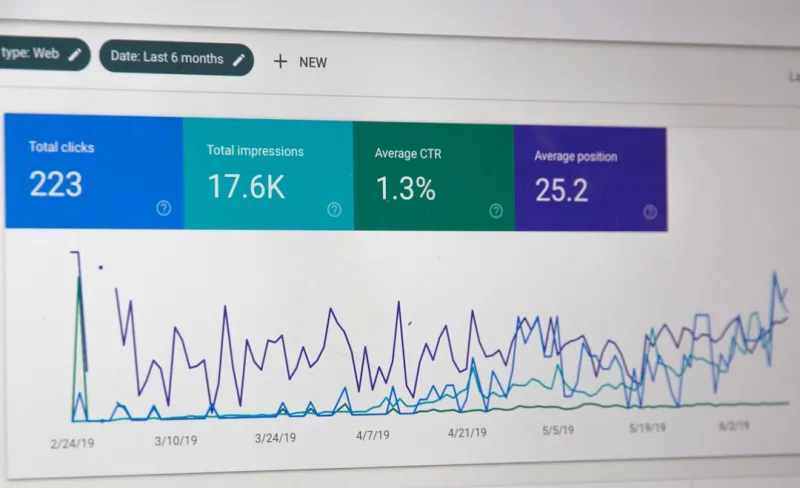
Empathy‑First Digital Marketing: Turning Data Into Human Connections
Explore how a human‑first approach reshapes digital marketing, boosting loyalty, SEO performance, and eCommerce results through genuine listening and empathy....Read More
0 Comments
Post Comment
You will need to Login or Register to comment on this post!