

Why Local SEO Matters: A Comprehensive Guide
As a seasoned expert in the field of digital marketing, I've seen firsthand the impact that local SEO can have on a business's online presence. In today's digital age, having a strong online presence is crucial for businesses of all sizes, and local SEO is a key component of that. In this article, I'll explore the ins and outs of local SEO, including its importance, benefits, and best practices.
The Importance of Local SEO
Local SEO is the process of optimizing a website to rank higher in local search results. This is especially important for businesses that rely on local customers, such as brick-and-mortar stores, restaurants, and service providers. By optimizing their website for local SEO, businesses can increase their visibility in local search results, drive more traffic to their website, and ultimately attract more customers. According to Google, 76% of people who search for something nearby on their smartphone visit a related business within a day, and 28% of those searches result in a purchase.
Benefits of Local SEO
So, why is local SEO so important? For starters, it allows businesses to target their local audience more effectively. By optimizing their website for local keywords and phrases, businesses can attract more qualified leads and drive more conversions. Additionally, local SEO can help businesses build trust and credibility with their local audience. When a business appears at the top of local search results, it can instill confidence in potential customers and make them more likely to choose that business over competitors.
Local SEO Best Practices
So, how can businesses optimize their website for local SEO? Here are a few best practices to keep in mind:
- Claim and optimize your Google My Business listing: This is one of the most important steps you can take to improve your local SEO. By claiming and optimizing your Google My Business listing, you can increase your visibility in local search results and provide potential customers with valuable information about your business.
- Use location-specific keywords: Incorporate location-specific keywords and phrases into your website's content, including your page titles, meta descriptions, and header tags.
- Optimize your website's structure and content: Make sure your website's structure and content are optimized for local SEO. This includes using clear and concise headings, optimizing your images, and using internal linking to help search engines understand your website's hierarchy.
Common Local SEO Mistakes to Avoid
While local SEO can be a powerful tool for businesses, there are also some common mistakes to avoid. One of the most common mistakes is not optimizing your website for mobile devices. With more and more people using their smartphones to search for local businesses, it's essential that your website is mobile-friendly and easy to navigate on smaller screens. Another common mistake is not regularly updating your website's content. By regularly updating your website's content, you can keep search engines crawling and indexing your site, which can help improve your local SEO.
The Future of Local SEO
As we look to the future of local SEO, it's clear that the landscape is evolving rapidly. With the rise of voice search and artificial intelligence, local SEO is becoming increasingly complex. However, by staying up-to-date with the latest trends and best practices, businesses can stay ahead of the curve and continue to drive more traffic and conversions. For more information on the future of SEO, check out my previous article on The Evolution of SEO: How to Stay Ahead in 2024.
Measuring the Success of Your Local SEO Efforts
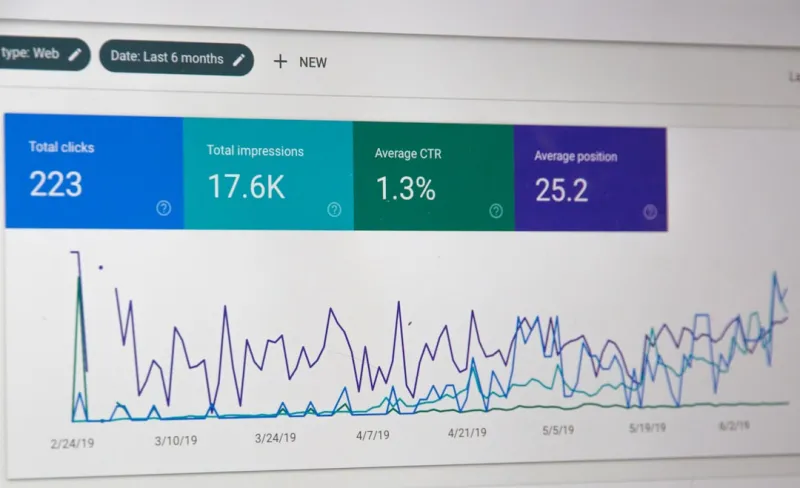
So, how can businesses measure the success of their local SEO efforts? One of the most important metrics to track is your website's local search rankings. By tracking your website's rankings for local keywords and phrases, you can get a sense of how well your website is optimized for local SEO. Additionally, you can use tools like Google Analytics to track your website's traffic and conversions, which can help you understand the impact of your local SEO efforts on your business's bottom line.
Conclusion
In conclusion, local SEO is a critical component of any business's online presence. By optimizing their website for local SEO, businesses can increase their visibility in local search results, drive more traffic to their website, and ultimately attract more customers. By following the best practices outlined in this article and staying up-to-date with the latest trends and developments, businesses can stay ahead of the curve and continue to drive more traffic and conversions.
Additional Resources
For more information on local SEO and digital marketing, check out some of my other articles, including The Evolution of Digital Marketing: How to Stay Ahead in 2024 and The Future of Social Media Marketing: Trends to Watch.

Nikki McDonald is a freelancer based in Waterloo. She brings her skills and expertise to various projects, balancing her professional work with a personal life that includes her husband, Stewart.
Related Posts

Local FAQ Hubs: Turning City‑Specific Questions into SaaS Leads
A step‑by‑step guide to building scalable, city‑focused FAQ pages that capture hyper‑local i... Read More
Local SEO in 2024: A Comprehensive Guide
Stay ahead of the curve in local SEO with our comprehensive guide. Learn the latest trends, strategi... Read More

Capturing Conversational Queries: A Voice‑First Playbook for Local SEO
Discover a step‑by‑step voice‑first strategy to boost your local search presence, turn spoken ... Read More
Top Posts

Conversational AI Is Redefining Email Marketing
Email marketing is getting a makeover. By embedding conversational AI into inboxes, brands can deliver dynamic, two‑way dialogues that feel personal, boost en...Read More

Human‑Centric SEO: Why Authenticity Beats Algorithms
Explore how blending authentic storytelling, genuine outreach, and technical precision creates a resilient SEO strategy that puts people—and rankings—first....Read More

The Empathy Edge: How Human‑Centric Strategies Are Redefining Social Media Marketing
Learn how a human‑centric, empathy‑first approach is reshaping social media marketing, turning authentic conversations into measurable brand growth....Read More

Predictive Product Bundling: AI‑Powered Deals That Skyrocket AOV
Learn a data‑first approach to creating dynamic product bundles that delight shoppers, lift AOV, and sharpen competitive edge....Read More
0 Comments
Post Comment
You will need to Login or Register to comment on this post!