
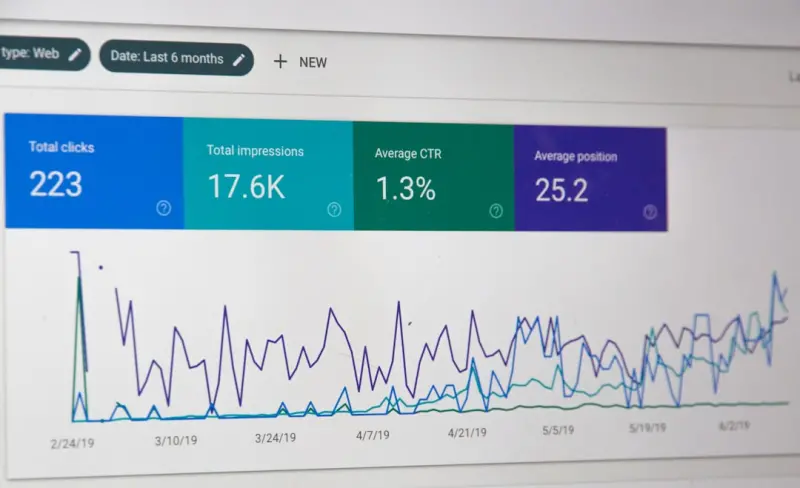
Why Google’s “E‑E‑A‑T” Isn’t Just a Buzzword for SaaS Brands
When I first started optimizing SaaS sites for Google, the acronym E‑E‑A‑T (Experience, Expertise, Authority, Trust) felt like another checklist item—nice to have, but not mission‑critical. Over time, Google’s algorithms have become far more sophisticated, and the weight it places on these signals has exploded. For a SaaS company, where the product itself is intangible and the buying cycle can span weeks, getting E‑E‑A‑T right can be the difference between a page that simply ranks and a page that actually drives qualified demos.
1. Experience: Showcasing Real‑World Use Cases
Google wants to know who is behind the content. In the SaaS world, that means highlighting actual customers, case studies, and even the engineers who built the feature. Instead of a generic “Our platform helps teams collaborate,” embed a short narrative: a mid‑size marketing team reduced campaign rollout time by 30% after adopting your automation module. Add screenshots, timelines, and the names (with permission) of the people involved. This granular detail signals experience and gives Google concrete proof to surface in rich results.
2. Expertise: Leveraging Your Team’s Thought Leadership
Every SaaS company has subject‑matter experts—product managers, data scientists, security architects. Turn their internal knowledge into public‑facing assets:
- Publish deep‑dive blog posts that answer “how to” questions specific to your niche.
- Record webinars where the product lead walks through a complex integration.
- Contribute guest articles to industry publications and link back to your own resources.
Google’s algorithm can trace author bios and cross‑reference them with other authoritative sites. The more your experts are cited elsewhere, the higher the perceived expertise.
3. Authority: Building a Network of Trustworthy Backlinks
Authority is earned, not bought. While many marketers chase bulk backlinks, SaaS brands should aim for high‑quality, context‑relevant links:
- Partner with complementary SaaS tools for co‑authored research reports.
- Offer free data sets that industry analysts can reference.
- Participate in open‑source projects and link to your documentation.
These types of backlinks carry more weight than a generic directory listing because they come from sites that share a similar audience and technical depth.
4. Trust: The Subtle Power of Transparency
Trust is often the silent hero behind high click‑through rates. SaaS users are especially cautious about data security and pricing. Here’s how to reinforce trust on Google’s radar:
- Publish a clear privacy policy and security compliance page—Google loves pages that openly discuss data handling.
- Show real‑time system status dashboards; Google can pick up structured data that signals uptime.
- Include structured data for pricing, reviews, and FAQs (more on that later).
5. Passage Ranking: Optimizing for Micro‑Intent
Google’s passage ranking can surface a single paragraph that directly answers a query, even if the broader page covers a different topic. For SaaS, this means you can rank for highly specific questions without creating a whole new page.
Strategy:
- Identify micro‑intent queries—e.g., “How to set up SSO in Product X.”
- Write a concise, 150‑word answer in its own paragraph, using the exact phrase the user might type.
- Bold the key term once; Google often highlights bolded terms in passages.
This approach lets a single “features” page rank for dozens of niche queries, driving long‑tail traffic without bloating your site.
6. Google Discover: A Low‑Hanging Fruit You’ve Probably Ignored
Discover surfaces content based on user interests, not search queries. SaaS companies can appear there by focusing on timely, visual, and highly shareable pieces:
- Publish a “State of the Industry” report with compelling graphics.
- Release a short video demo of a brand‑new feature.
- Write thought‑leadership pieces that tap into emerging trends (AI‑assisted workflows, remote‑first security).
Make sure the og:image tag points to a high‑resolution image (minimum 1200 × 630 px) and that the article:published_time is accurate. Google pulls these signals to decide if your content is Discover‑worthy.
7. The Power of AI‑Friendly FAQs
With the rise of conversational search, Google often extracts FAQ snippets directly from FAQPage schema. SaaS sites typically have a wealth of “how‑to” questions buried in support tickets. Turn those into a dedicated FAQ section using schema markup. For example:
{
  "@type": "FAQPage",
  "mainEntity": [{
    "@type": "Question",
    "name": "Can I export data from the dashboard?",
    "acceptedAnswer": {
      "@type": "Answer",
      "text": "Yes, you can export data in CSV or JSON format from the Reports tab..."
    }
  }]
}
This not only improves visibility in SERPs but also aligns with Google’s move toward direct answers. If you’re already optimizing your help center, read our guide on turning your SaaS help center into a search engine magnet for deeper tactics.
8. Search Console’s New “Coverage” Insights
Google Search Console has rolled out a more granular “Coverage” report that surfaces why specific pages are indexed or excluded. For SaaS platforms with dozens of dynamic pages, this is gold:
- Filter by “Submitted URL” to see if your product documentation is being crawled.
- Look for “Duplicate, submitted URL not selected as canonical” errors—these often happen with versioned API docs.
- Use the “Inspect URL” tool on a newly released feature page to confirm that Google sees the
FAQPagemarkup.
Regularly auditing these signals prevents valuable SaaS pages from slipping into the “unindexed” abyss.
9. Measuring Success Beyond Rankings
For SaaS, the ultimate KPI is not traffic volume but qualified leads. Combine Google Analytics with CRM data to see which organic queries result in trial sign‑ups or demo requests. Set up custom goals:
- Track clicks on “Start Free Trial” buttons that originate from organic traffic.
- Measure “Time on Page” for technical documentation—if users spend >2 minutes, they’re likely evaluating the product.
- Use UTM parameters on internal links to attribute downstream conversions back to the originating blog post.
This data-driven loop helps you refine E‑E‑A‑T signals where they matter most.
10. Practical Checklist for SaaS Teams
Use this quick audit before publishing any new piece of content:
- Experience: Include a real‑world example or case study snippet.
- Expertise: Attribute content to a named subject‑matter expert with a bio link.
- Authority: Secure at least one high‑quality backlink within the next 30 days.
- Trust: Add or verify structured data for pricing and reviews.
- Passage: Write a concise paragraph that directly answers a micro‑intent query.
- Discover: Include an eye‑catching featured image with proper
ogtags. - FAQ Schema: Add at least two FAQ entries using
FAQPagemarkup. - Search Console: Run a coverage check within 48 hours of publishing.
By embedding these steps into your content workflow, you turn Google SEO from a periodic task into a sustainable growth engine.
Conclusion: E‑E‑A‑T Is Your SaaS Competitive Edge
Google’s algorithmic focus on experience, expertise, authority, and trust isn’t a passing fad—it reflects real user expectations. SaaS brands that embed E‑E‑A‑T into every piece of content—from blog posts to API docs—won’t just rank higher; they’ll attract the right buyers at the right time. Pair that with passage ranking, Discover optimization, and AI‑friendly FAQs, and you’ve built an SEO foundation that scales alongside your product roadmap.

Deb Roberts is a freelancer who writes on various subjects, bringing versatility and depth to her work. Alongside her broad writing expertise, she has a special passion for horses.
Related Posts
Structured Data Secrets for SaaS SEO Success
Discover how applying schema markup like SoftwareApplication, FAQPage, and HowTo can transform SaaS ... Read More

AI‑First SEO: How SaaS Brands Can Win in the Era of Generative Search
In this post, we explore why AI‑first SEO is essential for SaaS growth, outlining a three‑pillar... Read More
SEO Experiments That Scale: A SaaS Playbook for Fast Wins
Learn how to build a systematic SEO experimentation process for SaaS, from hypothesis creation to sc... Read More
Top Posts

Social‑First ABM: Turning Social Communities into High‑Value SaaS Pipelines
Discover a fresh approach that treats each target account as its own social community, using hyper‑personalized content and aligned sales outreach to turn soc...Read More
Mobile SEO Mastery: From Speed to Empathy‑Driven Rankings
A deep dive into mobile SEO that blends technical speed, local relevance, voice search, and empathy‑first strategies for lasting search success....Read More

Why B2B SaaS Should Turn LinkedIn Into a Live Learning Lab
Learn how to turn LinkedIn from a static billboard into a dynamic, live learning lab that educates prospects, fuels product development, and accelerates revenue...Read More

Unlocking Crawl Budget with Server Log Analysis
Learn why server logs are the hidden goldmine for technical SEO, how to decode them, and actionable steps to optimize your crawl budget for better rankings....Read More
0 Comments
Post Comment
You will need to Login or Register to comment on this post!