
Why Hyperlocal Partnerships Are the Secret Weapon for Modern Local SEO
In a world where search engines increasingly reward relevance over reach, the most powerful boost for a brick‑and‑mortar brand comes from weaving its story into the fabric of the very neighborhood it serves, a strategy that turns ordinary street‑level traffic into a digital magnet. Hyperlocal partnerships—from collaborating with a nearby coffee shop on a joint event to co‑creating a community garden with the local council—provide authentic touchpoints that search algorithms interpret as genuine authority, while simultaneously giving residents a reason to search for your business by name, address, or even a colloquial nickname. By aligning your brand with the pulse of the block, you create a virtuous loop: locals search for neighborhood happenings, discover your involvement, and click through to your site, sending strong relevance signals that propel your Google Business Profile to the top of the “near me” results. The result is a sustainable, community‑driven SEO engine that outlasts any paid campaign.
Decoding Hyperlocal Search Intent: From “Coffee Near Me” to “Best Pastry on Elm Street”
The evolution of local queries has moved far beyond the generic “restaurant near me” and now zeroes in on micro‑geographic markers such as street names, park landmarks, or even the name of a local school, demanding that marketers understand and anticipate this granular intent. When a user types “artisan bakery on Oak Avenue,” the search engine parses not only the product category but also the specific corridor, rewarding businesses that have clearly signaled their presence on that street through consistent NAP (Name, Address, Phone) data, localized landing pages, and geo‑targeted schema markup. By mapping out the most common hyperlocal phrases in your service area and embedding them naturally into titles, meta descriptions, and on‑page copy, you create a semantic bridge that guides both Google and the searcher straight to your door. This approach also aligns perfectly with the rising prominence of voice‑activated queries, where users often ask “Where can I get a croissant on Main?”—a question that demands precise, street‑level answers.
Building Community Partnerships: A Step‑by‑Step Blueprint
Start by identifying complementary businesses within a two‑mile radius that share a similar customer demographic but are not direct competitors, such as a yoga studio partnering with a health food café, then propose co‑hosted workshops, pop‑up events, or cross‑promotional newsletters that highlight both brands. Secure a mutually beneficial backlink by featuring each other’s events on dedicated landing pages, and enrich those pages with localized schema tags that specify the exact venue, date, and neighborhood, ensuring search engines can index the collaboration as a bona fide local event. Finally, amplify the partnership on social media with geo‑tagged posts and encourage participants to leave reviews that mention both businesses, creating a ripple of user‑generated content that reinforces your hyperlocal relevance and builds a network of trust signals across the community.
Creating Hyperlocal Content Hubs That Capture Neighborhood Traffic
Think of each neighborhood as a mini‑destination, and craft a comprehensive guide that combines historical anecdotes, upcoming events, and a curated list of must‑visit spots, positioning your brand as the definitive insider source for that area. Within each guide, embed a semantic topic map that interlinks related articles, local news, and product pages, forming an authority cluster that search engines love to crawl and rank. Use high‑resolution images of recognizable street signs, local murals, or community landmarks, and tag them with descriptive alt text that includes neighborhood keywords, boosting both visual search and overall relevance. By consistently updating these hubs with fresh event calendars, seasonal promotions, and resident interviews, you keep the content evergreen, encourage repeat visits, and signal to Google that your site is the go‑to resource for anyone searching for anything related to that specific locale.
Leveraging Structured Data: The Technical Backbone of Hyperlocal Authority
Implementing LocalBusiness schema with detailed attributes—such as opening hours, price range, and service area polygons—allows search engines to extract precise information and display it directly in the knowledge panel, dramatically increasing click‑through rates from the SERP. Augment this with Event schema for any neighborhood gatherings you sponsor, ensuring that dates, locations, and ticketing details appear in the “Events” carousel, capturing users who are specifically looking for things to do in the area. For multi‑location brands, use the “hasMap” property to embed an interactive Google Map that pinpoints each storefront, and pair it with “geo” coordinates to reinforce geographic relevance at the code level. When these rich snippets appear, they not only improve visibility but also convey an aura of professionalism that aligns with the E‑E‑A‑T guidelines, reinforcing your business’s expertise, authoritativeness, and trustworthiness in the eyes of both users and algorithms.
Optimizing for Voice Search and the Local Pack: The New Frontier of “Near Me” Queries
As voice assistants become the default gateway for on‑the‑go searches, phrases like “Find a pet groomer within 5 minutes of my location” dominate the conversation, demanding that businesses answer with concise, conversational snippets that can be read aloud verbatim. To capture this traffic, structure your FAQ sections using natural language questions and provide direct, bullet‑point answers that fit within the 30‑second audio window, while ensuring each answer includes the exact business name, address, and phone number. Simultaneously, optimize your Google Business Profile with accurate, up‑to‑date information, high‑quality photos, and a selection of short, keyword‑rich business categories that mirror the way users speak. By aligning your on‑page content, schema, and GMB data with voice search patterns, you increase the likelihood of appearing in the coveted “Local Pack” and the spoken answer boxes that dominate the mobile search experience.
Harnessing User‑Generated Content and Reviews as Hyperlocal Signals
Encourage satisfied customers to leave detailed reviews that mention specific neighborhood landmarks or street names, as these contextual clues amplify the local relevance of your brand in the eyes of Google’s algorithm. Offer incentives such as a monthly “Neighborhood Champion” discount for reviewers who reference the local park or a community event, turning ordinary feedback into a strategic SEO asset. Additionally, curate a photo gallery where patrons can upload images of your storefront against the backdrop of familiar local scenery, then tag each photo with geo‑metadata and descriptive captions that include the neighborhood name. This flood of authentic, location‑specific content not only builds social proof but also generates fresh, crawlable assets that reinforce your hyperlocal authority, creating a self‑sustaining loop of visibility and trust.
Measuring Hyperlocal SEO Success: Metrics That Matter
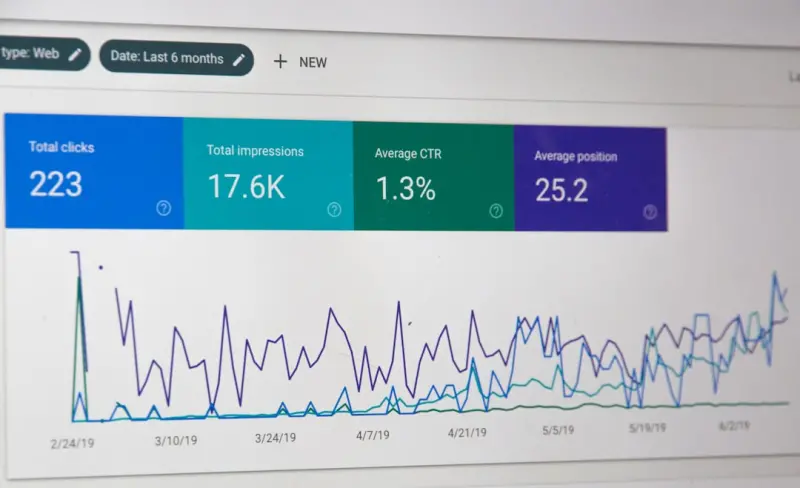
Beyond the standard organic traffic and keyword rankings, focus on hyperlocal KPIs such as “Local Pack Impressions,” “Map Click‑Through Rate,” and “Neighborhood Search Visibility” to gauge the effectiveness of your community‑centric strategy. Use Google Search Console’s “Performance” report filtered by city or zip code to identify spikes in clicks after a partnership event, and cross‑reference these with Google My Business insights that reveal how many users requested directions or called directly from the SERP. Additionally, track the growth of localized backlinks from community websites, chambers of commerce, and event pages, as each new citation serves as a vote of confidence in your local relevance. By regularly auditing these metrics, you can fine‑tune your content calendar, adjust partnership outreach, and demonstrate a clear ROI to stakeholders who might otherwise view local SEO as a nebulous investment.
Future Trends: AI‑Driven Hyperlocal Personalization and the Next Wave of Community SEO
Artificial intelligence is poised to transform hyperlocal search by delivering personalized results based on a user’s past behavior, real‑time location, and even social graph, meaning that the next frontier of local SEO will involve dynamic, AI‑generated landing pages that adapt content, offers, and visual assets to the specific street or block a user is strolling through. Early adopters can experiment with predictive schema that feeds Google’s AI models with upcoming event data, seasonal promotions, and localized FAQs, allowing the search engine to surface ultra‑relevant snippets before the user even finishes their query. Investing now in a robust data infrastructure—collecting neighborhood‑level analytics, maintaining an up‑to‑date content hub, and fostering a network of local partners—will position your brand to ride the wave of AI personalization, ensuring that whenever a resident asks, “Where can I get the best tacos on Maple?” your business appears not just as an option, but as the definitive answer tailored to their exact moment and place.

Lifan Chen is a freelancer based in Toronto specializing in marketing. With expertise in crafting effective marketing strategies and campaigns, Lifan helps businesses grow their brand presence and reach target audiences. As a Toronto-based freelancer, Lifan combines local market insights with creative marketing skills to deliver tailored solutions for clients.
Related Posts

From Neighborhood to Net: Turning Physical Offices into SEO Gold
Discover a step‑by‑step framework for leveraging every office address as a local SEO catalyst, f... Read More

The Secret Sauce of Local SEO: Turning Customer Stories into Ranking Power
Discover a community‑driven local SEO playbook that uses real customer stories, employee advocacy,... Read More

Turning Neighborhood Events into Local SEO Gold
A step‑by‑step guide shows how B2B SaaS companies can leverage hyper‑local events, partnership... Read More
Top Posts

AI-Powered Log File Analysis: The Next Frontier in Technical SEO
In this deep dive, Rose DesRochers reveals how AI-powered log file analysis reshapes technical SEO, delivering instant crawl insights and boosting site performa...Read More

From Likes to Leads: Turning User‑Generated Content into a Social Strategy Engine
Learn to transform everyday customer posts into a strategic social engine, boosting brand credibility and conversions without relying on paid ads....Read More

Voice Shopping: The Silent Revolution Redefining Online Retail
Voice shopping is more than a novelty; it's a transformative channel that removes friction and creates conversational commerce. This post explores the technical...Read More

SEO Experiments That Scale: A SaaS Playbook for Fast Wins
Learn how to build a systematic SEO experimentation process for SaaS, from hypothesis creation to scaling successful tests, and turn search insights into sustai...Read More
0 Comments
Post Comment
You will need to Login or Register to comment on this post!