

Why Hyperlocal Content Hubs Matter More Than Ever for SaaS
When I first stepped into the world of SaaS marketing, the mantra was simple: “Think globally, act locally.” I tried to apply the classic local‑SEO checklist—Google My Business, citations, NAP consistency—only to discover that the real battleground lives at the neighborhood level. In dense urban corridors, a single coffee shop can dominate the “project management tool near me” query, while a regional SaaS vendor languishes on page 3. The gap isn’t a lack of backlinks or keyword research; it’s a missing hyperlocal narrative that tells Google, “We belong here.”
What Exactly Is a Hyperlocal Content Hub?
A hyperlocal content hub is a collection of tightly‑themed, location‑specific pages that revolve around a single community, district, or even a single street. Unlike generic city‑wide landing pages that try to capture “New York SEO,” a hub drills down to the micro‑level: “Brooklyn’s Creative Agencies Need Real‑Time Collaboration” or “Silicon Valley Start‑ups Searching for API‑First Analytics.” Each hub contains:
- Localized landing pages that embed structured data for address, service area, and opening hours (even if your product is digital).
- Neighborhood‑focused blog posts that answer questions only locals ask (e.g., “Which cowork‑space in SoMa offers secure VPN access?”).
- User‑generated content such as case studies, reviews, or community Q&A that Google can surface in rich snippets.
- Micro‑events and partnerships with local influencers, chambers of commerce, or meet‑ups that generate natural backlinks.
Think of it as a miniature ecosystem where every piece of content supports the others, and together they signal relevance to Google’s hyperlocal algorithms.
Mapping the Landscape: From City to Street Block
Most SaaS marketers treat a city as a monolith—“San Francisco SEO” gets a single page, a handful of citations, and a generic blog post. That approach ignores the fact that Google’s “near me” intent is often hyper‑specific. A user in the Mission District typing “CRM for boutique bakeries near me” expects results that understand the local context: delivery routes, zoning restrictions, and even the neighborhood’s cultural vibe.
To flip this on its head, start with a geographic heatmap of your existing customers. Pull the ZIP codes, cross‑reference with Google Trends, and identify clusters where you already have traction. Those clusters become your first hyperlocal hubs. From there, expand outward—target adjacent neighborhoods, not just the next major city.
Building the First Hub: A Step‑by‑Step Blueprint
- Define the micro‑region: Use tools like Google My Business Insights or internal CRM data to isolate a neighborhood with at least 50 active users.
- Research hyperlocal search intent: Deploy “people also ask” and “related searches” for queries that include the neighborhood name plus your product category. Example: “project management tool in Capitol Hill.”
- Create a pillar landing page: This page should include the neighborhood name in the
<title>,<h1>, and meta description. Insert Semantic SEO Framework concepts to naturally weave related entities (e.g., “tech incubator,” “co‑working space”). - Produce supporting content: Write 3‑5 blog posts that answer hyperlocal questions, embed
schema.org/LocalBusinessmarkup, and feature real customer quotes from that area. - Leverage community assets: Partner with a local business association to host a webinar or a workshop. Record the event and embed it on the hub—Google loves video and audio signals.
- Earn hyperlocal backlinks: Offer to write guest posts for neighborhood newsletters, sponsor a local charity run, or provide a free trial to a local incubator. Each backlink should use anchor text that includes the neighborhood name.
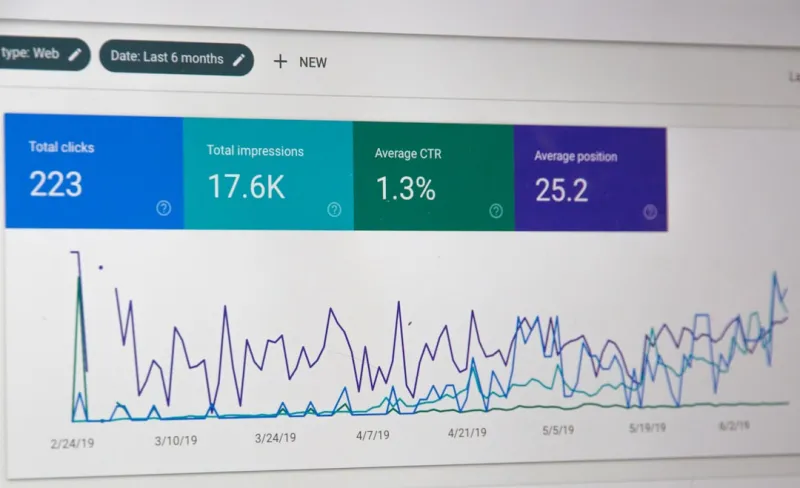
- Measure and iterate: Track impressions, clicks, and conversion rates in Google Search Console’s “Performance” report filtered by the location‑specific query. Adjust content depth based on the metrics.
Why Structured Data Is the Secret Sauce
Even though SaaS products are intangible, Google still expects location signals. By implementing schema.org/SoftwareApplication together with schema.org/Place, you tell the crawler that your cloud‑based solution serves a specific geographic market. Here’s a quick JSON‑LD snippet you can drop into the hub’s header:
{
  "@context": "https://schema.org",
  "@type": "SoftwareApplication",
  "name": "Acme Analytics",
  "operatingSystem": "All",
  "applicationCategory": "BusinessApplication",
  "offers": {
    "@type": "Offer",
    "price": "0",
    "priceCurrency": "USD"
  },
  "areaServed": {
    "@type": "Place",
    "address": {
      "@type": "PostalAddress",
      "addressLocality": "Mission District",
      "addressRegion": "CA",
      "postalCode": "94103"
    }
  }
}
This markup not only helps Google surface your service in local packs but also boosts eligibility for rich results such as “price range,” “availability,” and “review snippets.”
Content Types That Thrive in Hyperlocal Hubs
Not every blog post will earn a spot in the hyperlocal SERP. Focus on content that satisfies three criteria: relevance, authority, and freshness.
- Neighborhood case studies: Showcase a local client’s success story, complete with maps and before‑after metrics.
- Local regulatory guides: Explain how city ordinances affect SaaS adoption—for instance, “How San Francisco’s data‑privacy ordinance impacts cloud storage providers.”
- Event recaps: Summarize meet‑ups, hackathons, or panel discussions you hosted in the area. Embed photos and speaker quotes.
- Interactive tools: A simple ROI calculator that auto‑fills the user’s ZIP code and returns a hyperlocal estimate. (If you need inspiration, check out Interactive Link Magnets.)
Amplifying Reach Through Community Partnerships
One of the most underrated levers for hyperlocal SEO is community endorsement. When a local chamber of commerce lists your SaaS on its “Recommended Vendors” page, you instantly gain a high‑authority, location‑specific backlink. Even better, those directories often have their own Google My Business profiles, meaning your brand can appear in multiple local packs simultaneously.
Start small: Offer a free trial or a discounted rate to members of a local business group. In return, ask for a testimonial that you can embed on the hub. The testimonial not only provides social proof but also supplies Google with fresh, user‑generated content that can be pulled into rich snippets.
Measuring Success: The Hyperlocal KPI Dashboard
Traditional SEO metrics—organic traffic, domain authority, backlink count—still matter, but they don’t tell the full story of hyperlocal performance. Build a dashboard that includes:
| Metric | Why It Matters |
|---|---|
| Local Impressions (Google Search Console) | Shows how often your hub appears for location‑specific queries. |
| Click‑Through Rate (CTR) by Neighborhood | Identifies which hubs resonate most with users. |
| Conversion Rate from Hyperlocal Landing Pages | Tracks actual business impact, not just visibility. |
| Backlink Velocity from Local Domains | Measures the health of community outreach efforts. |
| Review Volume & Rating in Google Business Profile | Directly influences local pack ranking. |
Set quarterly targets for each metric. If a hub’s CTR drops below 2 %, revisit the content depth or add fresh user reviews.
Scaling the Model Without Losing the Personal Touch
Once you’ve proven the concept in three neighborhoods, the temptation is to mass‑produce hubs for every city you serve. Resist that urge. Instead, create a template that preserves the hyperlocal DNA:
- Dynamic insertion of the neighborhood name in title tags, headings, and schema.
- Automated retrieval of local event data via APIs (Eventbrite, Meetup).
- A modular “case study” block that pulls from a centralized repository of customer stories.
By automating the repetitive bits while curating the core narrative for each locale, you maintain relevance at scale.
Future‑Proofing: Voice Search and Hyperlocal Intent
Voice assistants are getting better at recognizing micro‑locations. A user might say, “Hey Siri, find a project management tool for my coworking space in Williamsburg.” If your hub includes conversational FAQ content—e.g., “What SaaS tools work best for small coworking spaces?”—you increase the chance of being the spoken answer.
To prepare, embed FAQPage schema with natural‑language questions. Keep the answers concise (< 50 words) because voice platforms often truncate long responses.
Common Pitfalls and How to Avoid Them
- Over‑optimizing the neighborhood name: Keyword stuffing will trigger a penalty. Use the location naturally in copy and metadata.
- Neglecting mobile experience: Hyperlocal searches are 70 % mobile. Ensure page speed < 2 seconds and responsive design.
- Ignoring user reviews: Fresh, authentic reviews are a ranking signal. Prompt satisfied customers to leave a Google review specific to their area.
- Forgetting to claim local listings: Even if you’re a SaaS, claim any “local business” listings that appear in your niche (e.g., “SaaS provider for Boston startups”).
- Duplicating content across hubs: Google penalizes thin or duplicate pages. Each hub must have at least 1,200 words of unique, locally relevant content.
Wrapping Up: The Hyperlocal Advantage Is Real
In a world where global SaaS giants dominate the broad keywords, the real growth engine for midsized companies lies in the “in‑the‑corner‑of‑your‑city” searches. By constructing hyperlocal content hubs, leveraging structured data, and cultivating genuine community relationships, you turn a modest neighborhood query into a high‑intent lead pipeline.
If you’ve been following my recent posts, you’ll notice a thread: moving from generic tactics to Local SEO Secrets that embed conversation, then extending that conversation into a semantic framework. Hyperlocal hubs are the natural next step—where conversation, data, and community converge into measurable growth.
Start small, iterate fast, and watch your SaaS brand become the go‑to solution for every local team looking to solve a specific problem. The neighborhood is no longer just a place on a map; it’s a digital stage where your SaaS can truly shine.

Lifan Chen is a freelancer based in Toronto specializing in marketing. With expertise in crafting effective marketing strategies and campaigns, Lifan helps businesses grow their brand presence and reach target audiences. As a Toronto-based freelancer, Lifan combines local market insights with creative marketing skills to deliver tailored solutions for clients.
Related Posts

Neighborhood Partnerships: A Fresh Playbook for Local SEO Success
Partnering with nearby shops, using geo‑fencing events, and sharing community data can reshape you... Read More

Turn Your Google Business Profile into a Local Lead Engine for SaaS
A step‑by‑step guide shows SaaS teams how to claim, optimize, and leverage Google Business Profi... Read More

Empathy‑First Tactics to Supercharge Your Local SEO
Learn why listening to your neighborhood, crafting hyperlocal content, and using empathetic link‑b... Read More
Top Posts

The Human‑Centric Playbook for Dominating Local Search
A mobile‑first, human‑centric guide reveals how to claim your Google profile, craft hyper‑local content, and earn community backlinks to dominate local se...Read More
Why 2024 Google SEO Is a Game‑Changer: Tom Ferguson’s Insider Take
Tom Ferguson breaks down the 2024 Google SEO landscape, from AI-driven relevance to mobile‑first speed, link building, and future‑proof strategies, offering...Read More

SEO Resilience: Building a Site That Thrives Through Algorithm Volatility
Discover a proven framework for SEO resilience—technical audits, evergreen pillars, diversified backlinks, semantic clusters, and UX signals—that safeguards...Read More

How Podcasts Can Supercharge Your SaaS Link Building Strategy
This post reveals why podcasts are an untapped gold mine for SaaS link building, offering a practical framework to identify, pitch, and maximize podcast backlin...Read More
0 Comments
Post Comment
You will need to Login or Register to comment on this post!