

Why “People Also Ask” Is the Underrated Goldmine for SaaS SEO
When most SEO teams think about Google, the focus instantly narrows to keywords, backlinks, and the ever‑looming Core Web Vitals. Yet there’s a SERP feature that quietly sits between the headline and the first organic result, waiting for a strategic mind to tap into its traffic‑generating power: the People Also Ask (PAA) box.
In my experience building SEO programs for fast‑growing SaaS businesses, I’ve watched the PAA widget evolve from a handful of static questions to a dynamic, algorithm‑driven engine that surfaces dozens of related queries for a single search term. When you treat it as a content roadmap rather than a curiosity, you unlock a cascade of long‑tail traffic, higher dwell time, and, ultimately, more qualified leads.
Understanding the Mechanics Behind PAA
Google’s PAA isn’t a random collection of FAQs. It’s an algorithmic response to two core signals:
- User Intent Clustering: Google groups similar search intents and surfaces the most representative questions.
- Content Authority Signals: Pages that already answer a question well—measured by relevance, dwell time, and backlink profile—are more likely to be featured.
Because the widget is powered by real‑time data, the questions can shift dramatically from day to day. This fluidity means you have a live feedback loop: the more you answer the right questions, the more Google rewards you with visibility.
Mapping PAA to Your SaaS Buyer’s Journey
One of the biggest mistakes SaaS marketers make is treating SEO as a single funnel. Instead, think of the buyer’s journey as a series of micro‑moments—each with its own set of questions. PAA provides a window into those moments.
Here’s a quick framework to align PAA insights with the stages of a typical SaaS purchase:
- Awareness: Users type broad, problem‑oriented queries (e.g., “how to reduce churn”). PAA often surfaces “What is churn?” or “Why is churn important for SaaS?”
- Consideration: The search narrows (e.g., “best churn reduction tools”). PAA may list “What features should a churn reduction tool have?” or “How does predictive analytics help reduce churn?”
- Decision: Prospects compare solutions (e.g., “XYZ vs. ABC churn tool”). PAA can show “Which churn reduction platform has the highest ROI?” or “Is XYZ suitable for B2B SaaS?”
By mapping each question to the appropriate stage, you can craft content that meets the prospect exactly where they are, increasing the odds of conversion.
Harvesting PAA Data at Scale
Manually scanning the SERP for PAA questions works for a handful of keywords, but SaaS SEO demands scale. Here’s a repeatable process you can implement:
- Keyword Seed List: Start with your core product and solution keywords (e.g., “customer success platform,” “subscription billing software”).
- Automated SERP Scraping: Use tools like SerpApi, Scrapy, or custom Python scripts to pull the PAA questions for each seed keyword.
- Cluster & Prioritize: Group similar questions using natural language processing (NLP) techniques—cosine similarity, sentence embeddings, or even simple Levenshtein distance.
- Gap Analysis: Cross‑reference the clusters against your existing content library. Identify high‑search‑volume questions you haven’t answered yet.
- Content Production Sprint: Assign each gap to a writer, using a structured template that includes a concise answer, supporting data, and a clear call‑to‑action.
This workflow not only fuels a continuous pipeline of PAA‑targeted content but also feeds directly into your topic cluster strategy, reinforcing internal linking and authority signals.
Crafting Content That Wins the PAA Box
Answering a PAA question isn’t just about stuffing the exact phrase into a paragraph. Google evaluates several quality signals before granting a position in the widget:
1. Direct, Concise Answers
Start with a single‑sentence answer that mirrors the user’s phrasing. This mirrors the “featured snippet” format and gives Google a clean snippet to pull.
2. Structured Markup
While the PAA box isn’t directly tied to schema, employing <FAQPage> or <Question> markup helps Google understand the Q&A relationship, improving the odds of selection.
3. Depth Below the Fold
After the concise answer, expand with a short paragraph, bullet list, or visual (chart, screenshot). This satisfies the “expertise” component of Google’s E‑E‑A‑T guidelines and keeps readers engaged.
4. Internal Linking for Authority
Link to a deeper resource—such as a case study, product page, or related blog post—using descriptive anchor text. This not only helps the user dive deeper but also signals to Google the hierarchical relevance of your content.
Measuring Success: From Impressions to Conversions
Because PAA sits above the organic results, traditional rankings don’t capture its impact. Instead, monitor the following metrics:
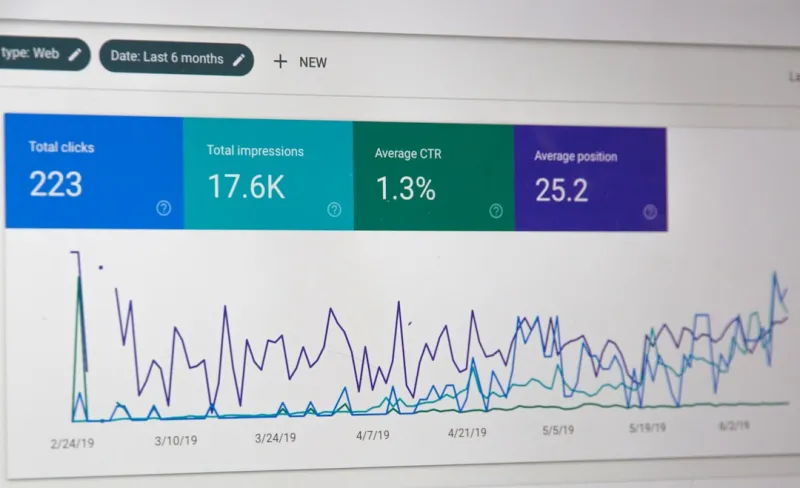
- Impression Share in SERP Features: Google Search Console now surfaces “Search Appearance” data for “People Also Ask.” Track upward trends over time.
- Click‑Through Rate (CTR) from PAA: While the widget itself doesn’t show clicks, you can infer uplift by comparing CTR before and after a PAA‑targeted page goes live.
- Engagement Metrics: Lower bounce rates and higher time‑on‑page indicate that users find the answer useful and are exploring further.
- Lead Flow: Tie on‑page forms or CTA clicks to a UTM that identifies the source as “PAA” for direct attribution.
When you see a spike in “PAA impressions” coupled with steady conversion numbers, you’ve turned a SERP curiosity into a qualified lead channel.
Case Study: Turning PAA Into a Funnel Booster for a Subscription Billing SaaS
One of our clients, a subscription‑billing platform, faced stagnant organic growth despite solid keyword rankings. We executed a PAA‑focused campaign:
- Identified 150 high‑volume “People Also Ask” questions around “subscription billing automation,” “revenue recognition,” and “dunning management.”
- Created 30‑minute “Answer‑First” articles, each starting with a crisp sentence, followed by a step‑by‑step guide and an embedded demo video.
- Implemented FAQ schema on each page and cross‑linked to relevant product feature pages.
- Monitored Search Console for PAA impressions and saw a 42% increase in impressions within two months.
- CTR rose from 2.1% to 5.4% on the newly ranked pages, and demo request volume grew by 18% directly attributable to the PAA traffic source.
The success reinforced a key lesson: answering the exact question users are asking is a faster path to visibility than trying to outrank for broad, competitive keywords.
Integrating PAA with Other SEO Pillars
PAA should not exist in a vacuum. Align it with the broader SEO ecosystem:
- Core Web Vitals: A fast, responsive page retains users who land from the PAA box. If you’ve already optimized for Core Web Vitals, you’re already a step ahead.
- AI‑First Content Generation: Use large language models to draft concise answers, but always fact‑check and add proprietary data to maintain authority.
- Structured Data Strategy: Pair PAA content with FAQ schema to reinforce question‑answer semantics across the SERP.
- Link Building: Outreach to industry publications and ask them to reference your definitive answer pages—these backlinks boost the authority signals that Google evaluates for PAA placement.
Future‑Proofing Your PAA Strategy
Google’s AI models, such as Gemini and the next generation of BERT, are increasingly adept at understanding nuanced user intent. This means the PAA widget will become more predictive, surfacing questions that users haven’t even typed yet.
To stay ahead:
- Monitor Emerging Queries: Set alerts for new PAA questions that appear for your seed keywords. Treat them as early‑stage signals for upcoming content trends.
- Leverage User‑Generated Content: Pull real questions from community forums, support tickets, and product reviews—these often align with the phrasing Google uses in PAA.
- Iterate Quickly: Publish “answer‑first” posts within days of spotting a high‑potential question. The faster you answer, the higher the chance of capturing the slot before competitors.
By treating PAA as a living content map rather than a static checklist, you embed agility into your SEO workflow—a decisive advantage in the ever‑shifting SaaS landscape.
Putting It All Together: A 90‑Day PAA Playbook
Ready to dive in? Here’s a concise 90‑day roadmap you can hand to your SEO team:
| Week | Focus | Key Actions |
|---|---|---|
| 1‑2 | Data Collection | Scrape PAA questions for top‑10 seed keywords; store in a spreadsheet. |
| 3‑4 | Clustering & Prioritization | Group similar questions; assign search volume and difficulty scores. |
| 5‑6 | Content Drafting | Write concise answer‑first drafts; embed FAQ schema. |
| 7‑8 | Production & Publishing | Publish articles, link to pillar pages, set up internal linking. |
| 9‑10 | Performance Monitoring | Track PAA impressions in Search Console; adjust based on CTR. |
| 11‑12 | Iteration & Scale | Refresh under‑performing answers; repeat the cycle with new keyword seeds. |
Following this cadence, you’ll systematically expand your presence in the PAA widget, diversify your traffic sources, and create a sustainable SEO moat for your SaaS brand.
Final Thoughts
Google’s “People Also Ask” is more than a sidebar curiosity—it’s an intelligent, intent‑driven distribution channel that can supercharge your SaaS SEO without the endless grind of traditional link‑building. By treating each question as a micro‑landing page, aligning it with the buyer’s journey, and feeding the insights back into your broader SEO strategy, you turn a hidden SERP feature into a core growth engine.
So the next time you sit down to plan your keyword calendar, ask yourself: What are the real questions my prospects are asking, and how can I answer them before anyone else? The answer, quite literally, might already be waiting in the “People Also Ask” box.

Tom Ferguson is a Canadian freelance writer with a passion for storytelling, current events, and thoughtful commentary. Drawing on years of writing experience, he shares engaging insights on a wide range of topics, bringing a uniquely Canadian perspective to his work.
Related Posts

How Structured Data Can Turn SaaS FAQs into SEO Gold
Learn why implementing FAQ and How‑To structured data is a game‑changing SEO tactic for SaaS com... Read More

Mastering Google’s E‑E‑A‑T: From Experience to Authority
Discover practical steps to embed real‑world experience, showcase expertise, and build trust, turn... Read More
The Evolution of Google SEO: Navigating the Ever-Changing Landscape
Discover the latest trends and best practices in Google SEO, from mobile-friendliness to technical S... Read More
Top Posts

The Future of Digital Marketing: How Social Media and SEO Are Revolutionizing Online Visibility
The future of digital marketing is all about integrating social media and SEO. Learn how these two powerful tools can catapult your online visibility to new hei...Read More

The Rise of AI‑Powered Shopping Experiences: What Every eCommerce Leader Needs to Know
AI is redefining online retail, from hyper‑personalized recommendations and AR try‑ons to sustainable, headless architectures and zero‑click shopping, emp...Read More

Mobile‑First Optimization: Turning Mobile Experience into SaaS Growth Engine
Mobile traffic now drives SaaS growth. This post shows how to embed mobile‑first principles into product development, leverage PWAs, Core Web Vitals, and stru...Read More

Why Empathy-Driven Technical SEO Is the Future of Rankings
Explore why empathy is reshaping technical SEO, from Core Web Vitals to link building, and how a human‑first approach can dramatically improve rankings and us...Read More
0 Comments
Post Comment
You will need to Login or Register to comment on this post!