

Why the Helpful Content Update Is the New SEO North Star
When Google rolled out the Helpful Content Update, it felt like a breath of fresh air for anyone who’s ever been frustrated watching thin‑content sites climb the rankings while my well‑researched articles languished in obscurity; the algorithm’s shift toward rewarding genuinely useful, human‑centric pages finally gave us a clear, ethical compass to follow, and I’ve spent the last months dissecting the signal to translate it into a repeatable workflow that aligns with both reader expectations and search engine priorities; the core lesson is simple yet profound—if your content doesn’t answer a real question with depth, authenticity, and expertise, Google will deem it “unhelpful” and demote it, regardless of how many backlinks or keyword hits you’ve amassed.
Understanding the Anatomy of “Helpful” Content
Google defines helpful content as material that demonstrates firsthand knowledge, addresses the user’s intent, and provides actionable insights rather than regurgitating generic facts, and this definition forces us to rethink the traditional SEO playbook that prioritized keyword density and link metrics above the actual value delivered to readers; the algorithm evaluates signals such as dwell time, bounce rate, and user satisfaction metrics to infer whether a page genuinely solves a problem, which means that even perfectly optimized meta tags won’t rescue a piece that leaves visitors frustrated or confused; in practice, the update rewards pages that feel like a conversation with a trusted expert, where the information flows logically, anticipates follow‑up questions, and respects the reader’s time.
Human‑First Research: Mapping Real Intent Before You Write
Before typing a single word, I now start every project with a deep dive into the audience’s mental models, using tools like Reddit threads, niche forums, and Google’s “People also ask” box to uncover the exact phrasing, concerns, and objections that real users express, because the moment you align your content outline with those authentic queries, you’re already scoring high on the helpfulness scale; this research phase also reveals the gaps that competitors overlook—those subtle nuances or secondary questions that, when answered, can turn a standard blog post into a definitive resource that Google’s algorithms love; the key is to document each intent cluster in a spreadsheet, tag it with a priority score, and let that hierarchy dictate the depth and breadth of each section you’ll write.
Depth Over Density: Crafting Substance Without Keyword Spam
While the old SEO mantra shouted “more keywords, more rankings,” the Helpful Content era demands a different approach: you must embed your primary terms naturally within a narrative that expands on the topic, weaving in related concepts, data points, and case studies that enrich the reader’s understanding; this method not only satisfies Google’s semantic analysis but also keeps the audience engaged, as they receive a layered experience that builds from basic definitions to advanced applications, each step anchored by clear headings and concise takeaways; remember, quality trumps quantity, so resist the urge to pad your article with filler sentences just to hit a word count—focus on delivering actionable insights that compel the reader to stay, share, and return.
Entity Clustering: Turning Topics Into SEO Powerhouses
One of the most effective ways to signal topical authority is to organize content around clusters of related entities—people, places, products, and concepts—that Google can recognize as a cohesive knowledge graph, and by interlinking these clusters with contextual anchor text, you create a web of relevance that amplifies each page’s ranking potential; for example, a piece about “sustainable home renovations” can naturally link to sub‑pages on “eco‑friendly flooring,” “energy‑efficient windows,” and “low‑VOC paints,” each of which dives deeper into its niche while reinforcing the central theme; this strategy also dovetails with the upcoming passage indexing capabilities, as Google can surface the most relevant passages from within your comprehensive cluster to answer specific user queries.
Step‑by‑Step Audit: Turning Theory Into Action
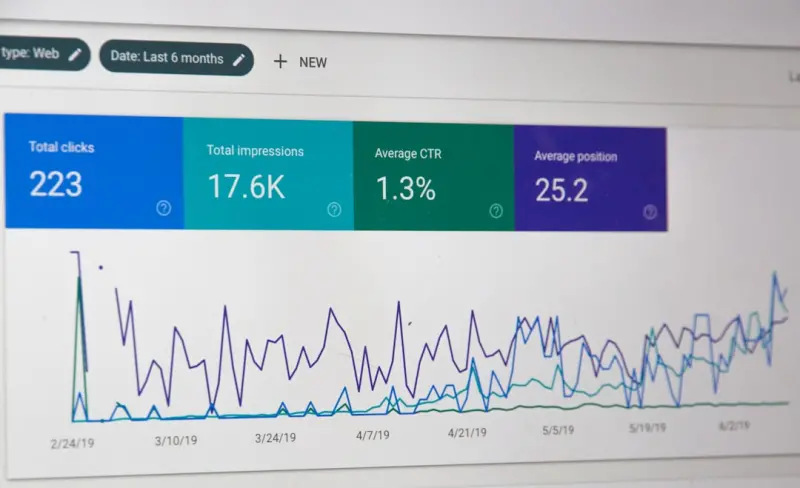
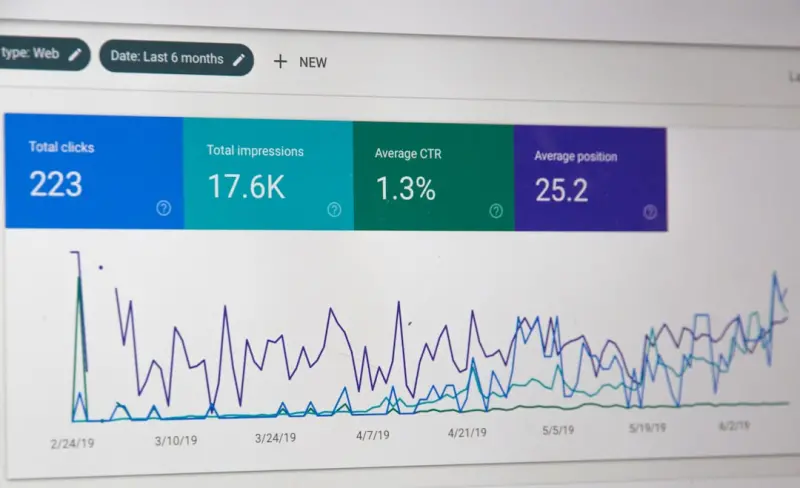
To ensure your existing library meets the Helpful Content standards, conduct a systematic audit that scores each page on intent alignment, depth, originality, and user engagement metrics, then prioritize revisions based on traffic potential and the severity of the “unhelpful” signal; start by pulling a list of your top‑performing URLs from Google Search Console, annotate them with the primary search intent they appear to satisfy, and cross‑reference that with on‑page elements like headings, FAQs, and internal links to verify consistency; next, enrich thin sections with data, quotes from industry experts, or step‑by‑step guides, and eliminate any duplicate or doorway content that could dilute your site’s overall authority, remembering that a well‑structured internal linking plan not only helps users navigate but also signals to Google the logical hierarchy of your information.
Relationship‑Driven Link Building as a Trust Signal
While content quality is the cornerstone, earning backlinks from reputable sources acts as a powerful endorsement of that quality, and the most sustainable way to achieve this is through genuine relationship‑driven outreach rather than cold‑email spam, a tactic I explore in depth in my earlier guide on relationship‑driven link building, where I outline how nurturing connections with industry peers, journalists, and influencers can lead to natural citations that reinforce your content’s credibility in the eyes of both users and Google; these earned links serve as a vote of confidence, amplifying the helpfulness signal and often resulting in higher click‑through rates from referral traffic, which further boosts your site’s overall performance.
Testing the Impact: From Data to Optimization
After revamping your content and securing quality backlinks, the next step is to measure the lift using controlled experiments, and this is where A/B experiments become indispensable; by creating two versions of a page—one with the original structure and another with the helpful‑content enhancements—and monitoring metrics such as organic impressions, average position, and conversion rates, you can isolate the exact elements that drive improvement, allowing you to iterate quickly and scale the tactics that prove most effective across your site; don’t forget to track user‑centric signals like dwell time and pogo‑sticking, as these are the hidden levers Google uses to assess whether your content truly satisfies search intent.
Future‑Proofing Your SEO: Staying Ahead of the Helpful Content Curve
Google’s algorithms will continue to evolve, but the principle that “helpful content wins” is likely to remain a permanent fixture, so building a culture of continuous audience research, content depth, and authentic outreach will keep you ahead of the curve, ensuring that every new piece you publish is not just optimized for a set of keywords but crafted to solve real problems for real people; as the search landscape becomes increasingly nuanced with AI‑generated snippets and multimodal results, the human touch—your expertise, voice, and genuine empathy—will be the differentiator that turns a good ranking into a lasting authority; embrace this mindset, treat every audit as an opportunity to deepen value, and watch your site rise organically, sustainably, and confidently in the ever‑changing world of Google SEO.

Nikki McDonald is a freelancer based in Waterloo. She brings her skills and expertise to various projects, balancing her professional work with a personal life that includes her husband, Stewart.
Related Posts
Mastering Google SEO in the Age of AI and User‑First Signals
Discover AI‑powered Google SEO strategies that prioritize user intent, multimedia, and structured ... Read More

The Empathy‑First Playbook: Why Human Insight is the Real SEO Superpower
Learn why putting human insight at the heart of your SEO strategy outperforms keyword stuffing, with... Read More

Cracking the Google Discover Algorithm: A Practical Playbook for Modern Marketers
Unlock the secrets of Google Discover with a step‑by‑step guide that shows how to craft feed‑f... Read More
Top Posts

Turning Social Listening into a Content Engine that Dominates Feeds
Learn the art of turning real‑time social listening into a relentless content engine—boosting engagement, nurturing communities, and staying ahead of platfo...Read More

Turning Your SaaS Knowledge Base into an SEO Powerhouse
Learn a step‑by‑step framework for optimizing your SaaS knowledge base for search, leveraging support data for keyword insights, and turning help articles i...Read More

The Future of E-commerce: How Social Media and SEO Are Revolutionizing Online Sales
The future of e-commerce is all about social media and SEO. Learn how to leverage these channels to drive online sales, build brand awareness, and stay ahead of...Read More
The Hidden Playbook Behind SERP Personalization: Winning the AI‑Driven Search Game
Explore the rise of personalized SERPs, zero‑click dominance, and AI intent clusters. Learn practical strategies—schema, internal linking, and community sig...Read More
0 Comments
Post Comment
You will need to Login or Register to comment on this post!