
Why Intent‑First Content Still Wins in Google’s Evolving Landscape
When Google announced its latest algorithm tweaks, the buzz was all about AI, but the core message was simple: understand user intent before anything else. I’ve spent the last decade watching the search engine mature, and the pattern is unmistakable—pages that answer the exact question a user types, in a natural, conversational tone, consistently climb the rankings. This isn’t a fleeting trend; it’s a fundamental shift that forces us to move beyond keyword stuffing and focus on delivering genuine value that aligns with what the searcher truly needs.
The Helpful Content Update Demystified
Google’s Helpful Content Update has been a game‑changer for creators who thought they could outrank better‑written pieces with sheer volume. The update rewards content that demonstrates expertise, authority, and a clear purpose, penalizing fluff and “keyword‑centric” pages that exist solely to capture clicks. My approach is to conduct a ruthless audit: strip out sections that don’t answer the core query, tighten the narrative, and embed real‑world examples that prove the content’s usefulness. When you align with Google’s “people‑first” mantra, the traffic spikes you see aren’t just numbers—they’re engaged visitors who stay longer and convert more.
Google Discover: The Untapped Traffic Engine
While most SEOs chase traditional organic clicks, Semantic SEO principles can be a secret weapon for unlocking Google Discover traffic. Discover surfaces content based on user interests rather than specific queries, meaning you can capture impressions from audiences you never even targeted. The trick is to produce evergreen, visually rich articles that Google’s machine learning models can easily categorize and surface. Pair that with compelling featured images and concise, punchy headlines, and you’ll watch your brand’s visibility explode across the feed without spending a dime on ads.
Passage Ranking: Optimizing Micro‑Content for Big Gains
Passage ranking allows Google to surface a single paragraph that perfectly answers a niche question, even if the rest of the page isn’t directly related. To leverage this, I break down long‑form pieces into clearly marked subsections, each with its own sub‑heading and concise answer. This not only improves readability for humans but signals to Google that each passage holds independent value. By sprinkling concise, keyword‑rich answers throughout, you give the algorithm multiple entry points to rank, dramatically increasing the chances of snagging those coveted featured snippets.
Multitask Unified Model (MUM): Embracing Multimedia Content
The Multitask Unified Model is Google’s next‑gen AI, capable of understanding text, images, and video in tandem. This means a well‑crafted article that includes relevant visuals, infographics, and short video clips can outperform a plain text piece, even if the latter is longer. My workflow now includes a quick “multimedia audit” where I identify opportunities to embed a supporting diagram or a 30‑second explainer video that reinforces the key point. The result is a richer user experience that signals to MUM that your content is comprehensive, authoritative, and worthy of a top spot.
E‑A‑T 2.0: Elevating Author Expertise in the Age of AI
Google’s expertise, authority, and trust (E‑A‑T) guidelines have evolved to include not just the website but also the author’s digital footprint. I now encourage every contributor to maintain a verified Google Knowledge Panel, link to reputable publications, and showcase real‑world credentials. When Google can trace a piece of content back to a recognized expert, the content inherits a credibility boost that can be the deciding factor in a crowded SERP. It’s a subtle shift, but one that pays dividends in both rankings and user trust.
Core Web Vitals 2.0: Real‑User Metrics That Matter
Core Web Vitals have always been a ranking factor, but the latest iteration emphasizes real‑user data over lab results. I focus on field metrics like First Input Delay and Cumulative Layout Shift gathered from the Chrome User Experience Report, tweaking site elements that truly impact visitors. Simple changes—such as lazy‑loading offscreen images or optimizing critical CSS—can shave milliseconds off load times, leading to lower bounce rates and higher engagement. In fact, sites that nail these metrics often see a measurable uplift in rankings, proving that speed still reigns supreme.
Structured Data for Rich Snippets: Turning Code into Clicks
Implementing structured data is no longer optional; it’s a baseline requirement for any serious SEO strategy. By marking up FAQs, how‑to steps, and product information with schema.org vocabulary, you give Google a clear roadmap to generate rich snippets that stand out in the SERP. I recommend starting with the most relevant types—FAQPage for common questions and HowTo for step‑by‑step guides—then expanding to Review and Product schemas as your site matures. The visual boost from these snippets not only improves click‑through rates but also signals to Google that your content is highly organized and trustworthy.
Google Search Console Insights: Closing the Data Loop
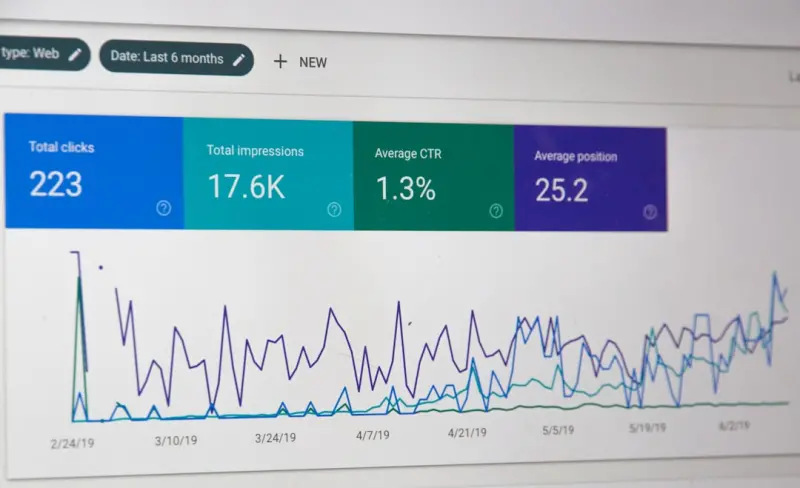
Many marketers overlook the goldmine hidden in Google Search Console’s new Insights report, which combines performance data with content analytics. By correlating top‑performing pages with the keywords that drove the most clicks, you can pinpoint which topics truly resonate with your audience. I use this data to double‑down on high‑value themes, refresh underperforming content, and inform my editorial calendar. The feedback loop ensures that every piece of content you produce is backed by real‑world performance metrics, reducing guesswork and sharpening your SEO focus.
Actionable Checklist for the Modern Google SEO Strategy
To wrap everything up, here’s a quick cheat‑sheet you can implement today:
- Audit for intent‑first content and prune fluff.
- Align each article with the Helpful Content guidelines.
- Optimize passages with clear sub‑headings for snippet potential.
- Integrate relevant images or videos to satisfy MUM.
- Boost author E‑A‑T with verified profiles and citations.
- Monitor real‑user Core Web Vitals and fix lagging elements.
- Apply schema markup for FAQs, How‑To, and product data.
- Leverage Search Console Insights to refine your topic strategy.
By weaving these tactics together, you’ll future‑proof your site against Google’s next algorithmic shift and keep the traffic flowing. For deeper dives into related strategies, check out the Edge SEO guide and the Zero‑Click Search Domination post for complementary insights.

Miranda Murphy is a Staff Writer at Domain Authority and an experienced freelance writer with a decade of storytelling expertise helping brands convert complex ideas into high-impact content.
Related Posts
The Evolution of Google SEO: Staying Ahead in a Rapidly Changing Landscape
Google SEO is a rapidly changing landscape that requires constant attention and adaptation. Learn th... Read More

Beyond Borders: A SaaS Guide to International SEO Mastery
Discover a data‑driven framework for SaaS international SEO, from market prioritization and authen... Read More

The Impact of Google's Algorithm Updates on SEO Strategies
Google's algorithm updates have a significant impact on SEO strategies. Learn how to adapt and refin... Read More
Top Posts

Link Building for SaaS: Turning Partnerships into Authority Hubs
A fresh approach to SaaS link building that goes beyond guest posts, using strategic integrations, data‑backed studies, and community‑driven content to earn...Read More
Local SEO in 2026: Authentic Strategies to Dominate Your Neighborhood
A fresh look at local SEO in 2026, combining AI tools, genuine community ties, and technical excellence to boost neighborhood visibility....Read More

The Impact of Social Media on Modern Marketing
Social media has revolutionized the way businesses market themselves. Learn how to leverage social media marketing to connect with your target audience and driv...Read More
The Evolution of SEO: How to Stay Ahead in 2024 and Beyond
Stay ahead in SEO 2024 with the latest trends and strategies. Learn how to adapt to the evolving landscape, improve your website's visibility, and drive more tr...Read More
0 Comments
Post Comment
You will need to Login or Register to comment on this post!