

For years I’ve watched marketers chase the same stale tactics—blind outreach, mass‑submitted directories, and quick‑fix guest posts—only to end up with low‑quality backlinks that evaporate faster than a summer trend. The constant churn creates what I call link building fatigue, a weary feeling that every new attempt will just add noise to the SERP instead of genuine authority. I’ve learned that the most sustainable links arise not from aggressive pitching, but from relationships built on mutual value, expertise, and shared audiences, turning each connection into a lasting SEO asset.
Enter the era of strategic co‑creation, where the goal shifts from “getting a link” to “building a partnership that naturally earns a link.” This mindset leverages data, audience insights, and genuine collaboration, allowing you to replace cold email templates with conversations that feel like joint ventures. By aligning content goals with a partner’s editorial calendar, you create assets that both parties are proud to promote, ensuring the backlink is not only high‑quality but also contextually relevant. It’s a departure from the old guest post playbook, embracing instead a model where the link is a by‑product of real, audience‑centric value.
Why Niche Podcasts Are Goldmines for Links
Podcasting has exploded into a mainstream medium, yet many SEO professionals still overlook its potential as a link‑building engine, especially within hyper‑focused niches where audiences are deeply engaged and trust is already established. When you appear as a guest on a niche‑specific show, you receive a natural citation in the episode show notes, often accompanied by a backlink from the host’s website—links that carry high topical relevance and tend to attract organic traffic from listeners seeking deeper insights. Moreover, the conversational format allows you to showcase expertise without the rigidity of a written article, turning the backlink into a credibility badge that resonates with both search engines and real people.
To maximize this channel, follow a three‑step outreach framework that turns a single pitch into a repeatable pipeline:
- Research deep‑dive: Identify podcasts with a listener base matching your buyer persona and note their link placement policies.
- Value‑first proposal: Offer a unique story angle or data point that aligns with the show’s theme, making it easy for the host to say yes.
- Post‑episode amplification: Share the episode across your channels and tag the host, encouraging them to link back to your site for additional resources.
Executing this process consistently not only builds a portfolio of high‑authority backlinks but also expands your brand’s reach into engaged communities that are otherwise hard to penetrate.
Co‑Authoring Research Reports to Earn Authority Links
Data‑driven content remains a magnet for backlinks, yet the barrier to producing original research can be intimidating for solo marketers; the solution lies in collaborative research reports where multiple brands contribute data, analysis, or case studies, culminating in a comprehensive whitepaper that each partner proudly links back to. By pooling resources, you not only reduce the workload but also amplify the report’s credibility, as the combined expertise signals trustworthiness to both readers and search engines. These co‑authored assets often become reference points for industry journalists, bloggers, and analysts, generating a cascade of natural backlinks from high‑authority domains that would be difficult to secure through traditional outreach.
When planning a joint research initiative, leverage predictive SEO insights to identify emerging trends worth investigating, then approach complementary brands with a clear data‑sharing agreement and a timeline that aligns with each partner’s content calendar. The resulting report should include a dedicated “Partners” section with anchor‑text links to each contributor’s site, and a press‑ready summary that encourages media coverage, further extending the backlink footprint. This collaborative model transforms a single link‑building effort into a multi‑brand ecosystem of authority signals.
Interactive Tools as Self‑Generating Link Magnets
One of the most underutilized link‑building assets is the interactive calculator, quiz, or assessment that solves a specific problem for your audience while subtly embedding your expertise; because these tools provide immediate, personalized value, users naturally reference them in blog posts, forums, and social media discussions, creating organic backlinks without any outreach. The key is to design an experience that is both unique and shareable—think of a ROI estimator for SaaS pricing, a sustainability scorecard for e‑commerce, or a compliance checklist for fintech—ensuring that the tool addresses a genuine pain point that isn’t already covered by existing solutions.
Developing an interactive asset involves three core steps:
- Identify a quantifiable need: Use keyword research and user feedback to pinpoint a calculation or assessment that users search for but can’t find easily.
- Build with shareability in mind: Embed social sharing buttons, embed codes, and a clean URL structure that encourages others to link back when referencing the tool.
- Promote through targeted outreach: Reach out to industry blogs, newsletters, and forums with a brief demo, highlighting how the tool can enhance their content and provide added value to their readers.
When executed well, the tool becomes a self‑sustaining link magnet, continually earning citations as long as the underlying data remains relevant.
Scaling the Model with Data and AI
As your collaborative link‑building initiatives mature, the next challenge is scaling without sacrificing relevance; this is where data analytics and AI‑driven prospecting become indispensable, allowing you to surface high‑potential partners, predict outreach success rates, and automate routine tasks while keeping the human element intact. By feeding your CRM with metrics such as domain authority, audience overlap, and historical link acquisition performance, you can prioritize outreach to partners that promise the highest ROI, and use AI‑generated content briefs to personalize each pitch at scale, preserving the authenticity that fuels genuine collaboration.
Finally, institute a feedback loop that measures the traffic, referral domains, and engagement metrics each new link generates, feeding those insights back into your prospecting algorithm to continuously refine target selection. Over time, this data‑centric approach not only expands your backlink portfolio but also builds a resilient network of allies who view your brand as a strategic partner rather than a link‑seeking opportunist, ensuring that the authority you earn is both sustainable and future‑proof.

Paula Wright writes from her home in Toronto Ontario, where she lives with her husband, Steve, and their two children. Driven by curiosity and a passion for storytelling, Paula loves to uncover the "why" and "how" behind every topic she covers. Her writing is fueled by her adventures; when she’s not at her desk, you’ll find her out on the road, camping under the stars, or wandering a new trail. Paula brings a sense of discovery and a fresh, real-world perspective to everything she writes for us.
Related Posts

The Human‑First Playbook: Modern Link Building That Actually Works
Link building is evolving from cold outreach to human‑first relationships. Learn the tactics that ... Read More

The Human‑Centric Link Building Playbook: Turning Empathy Into Authority
Learn why traditional link tactics are outdated and how a human‑centric approach—rooted in empat... Read More

The Art of Human‑Centric Link Building in a Data‑Driven World
Explore why authentic outreach, valuable linkable assets, and local citations are the cornerstone of... Read More
Top Posts
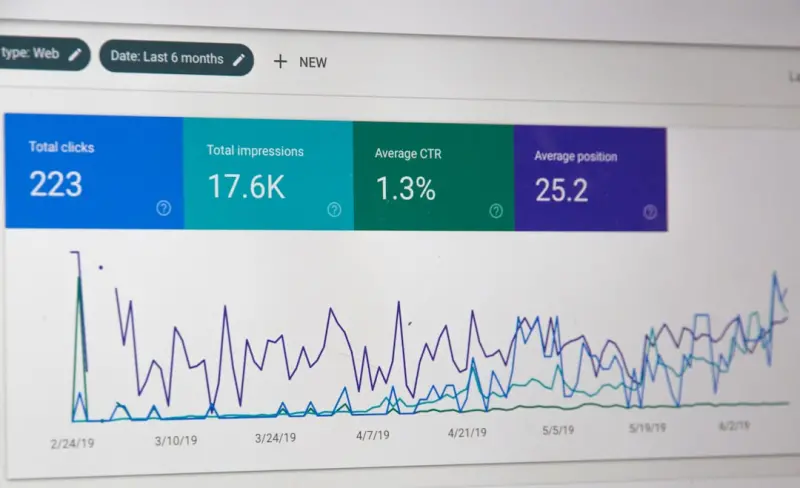
Navigating SERP Volatility: A Playbook for Modern SEO
Learn how to adapt to SERP volatility, leverage emerging features, and keep your brand visible despite constant search engine changes....Read More

Listening Louder: How Audio‑First Social Platforms Are Changing Community Engagement
Audio‑first social platforms are turning conversation into a powerful community tool, offering intimacy, trust, and new monetization paths for brands and crea...Read More

Optimizing for Mobile: The Key to Unlocking Online Success
With more users accessing the internet on their mobile devices, businesses must prioritize mobile SEO to stay ahead. Learn how to optimize your website for mobi...Read More
How SaaS Release Cadence Can Keep Your Site Fresh and Rank Higher
Discover how syncing your SaaS release schedule with search‑engine signals—through structured sitemaps, incremental rollouts, and timing—can turn fresh co...Read More
0 Comments
Post Comment
You will need to Login or Register to comment on this post!