

When I first started consulting for hyper‑local SaaS providers, the biggest surprise wasn’t the algorithms or the map pack – it was the sheer untapped power sitting in a handful of five‑star comments left by real customers. Those snippets of praise aren’t just social proof; they’re raw, intent‑rich data that Google and other search engines love to surface when folks type “best your‑service near me.” If you can coax those reviews into a structured, strategic asset, you’ll create a self‑reinforcing loop where happy users drive visibility, visibility brings more users, and the cycle keeps spinning.
Why Reviews Matter More Than Rankings (In the Local Game)
Most marketers chase the top spot on the SERP, but in local search the real prize is relevance at the moment of intent. A potential client in your town types “affordable CRM for small businesses” and the engine decides: show me the business that has proof of excellence right here, right now. That proof is almost always a review score or a quoted snippet. Studies show that 73% of consumers say reviews influence their buying decision as much as a personal recommendation. In a local context, the decision window is even tighter – a user is often within walking distance or a short drive, and they want confidence fast.
Google’s local algorithm weighs three things heavily: proximity, relevance, and prominence. Reviews feed directly into relevance (keywords people use) and prominence (social proof). Even if your website is technically perfect, a thin review profile can keep you buried under a competitor with a richer comment history.
Collecting Authentic Feedback Without Spamming
Authenticity is the linchpin. Fake or overly solicited reviews can trigger penalties, and they erode trust. Here’s a simple, ethical workflow I recommend:
- Trigger moments of delight. Identify natural high‑point interactions – a successful onboarding, a resolved support ticket, or a milestone achievement. Send a gentle nudge within 24‑48 hours asking for a quick review.
- Make it easy. Provide a one‑click link to your Google Business profile, a QR code on printed receipts, or an in‑app prompt that pre‑populates the review fields where possible.
- Ask for specifics. Instead of “Leave a review,” say “What feature helped you close your first deal?” Specific answers contain natural long‑tail keywords that are gold for local SEO.
- Close the loop. When a customer leaves a review, thank them publicly and address any concerns privately. This shows you value feedback and encourages future reviews.
Automation can help without feeling intrusive. Use a CRM automation to schedule review requests after a defined usage milestone, but always give the user a clear opt‑out option.
Optimizing Review Content for Search Engines
Every review is a miniature content piece. By guiding reviewers to include certain terms, you can align their language with the keywords your target audience uses. Here are three tactics:
- Keyword prompts. In your review request email, include a short line like “Feel free to mention “customer support” or “integration with X” if it helped you.”
- Highlight benefits, not just features. Phrases like “saved me hours each week” or “cut our churn by 15%” convey outcome‑based value that resonates with searchers.
- Encourage local identifiers. If you serve multiple neighborhoods, ask customers to mention the area, e.g., “great service for downtown businesses.” This adds geo‑signals that boost local relevance.
Remember, you can’t edit the review itself, but you can influence its composition through smart prompts. The result is a set of user‑generated snippets that naturally contain the exact phrases your prospects are typing into Google.
Structuring Reviews with Schema Markup
Even the best reviews stay invisible to search engines if they’re buried in plain HTML. Implementing Schema.org’s Review markup tells crawlers exactly what you’re showing. Here’s a quick checklist:
- Use
AggregateRatingandReviewtypes. Wrap the overall star rating and individual review excerpts in the appropriate JSON‑LD blocks. - Populate
author,datePublished, andreviewBody. The more fields you fill, the richer the snippet Google can display. - Include
itemReviewedwith your Business Name and Local Business type. This ties the rating directly to your Google Business Profile. - Validate. Use Google’s Rich Results Test to ensure your markup is error‑free.
When done correctly, your review stars can appear right in the search results, increasing click‑through rates dramatically. In competitive local markets, that extra visual cue can be the difference between a phone call and a scroll past.
Amplifying Reviews Across Local Citations
Google isn’t the only place where reviews matter. Directories like Yelp, TripAdvisor, industry‑specific sites, and even local chamber of commerce pages all contribute to your overall local prominence. Here’s how to keep them in sync:
- Centralize review monitoring. Use a tool that pulls reviews from all platforms into a single dashboard. This makes it easier to spot gaps and respond quickly.
- Cross‑post strategic excerpts. Take a particularly glowing line from a Google review and repurpose it on your Yelp profile (with permission, if needed). Consistency across platforms reinforces credibility.
- Leverage local partnership pages. If you’ve collaborated with a local nonprofit or co‑hosted an event, ask them to feature a quote from a satisfied customer on their site – you gain a high‑quality backlink plus an extra local signal.
Think of each citation as a mini‑landing page for a specific neighborhood keyword. The more consistent and plentiful your review signals, the stronger your “local authority” becomes in the eyes of search engines.
Turning Reviews into Content Pillars
Reviews aren’t just for SEO; they’re a treasure trove for content marketing. Here’s a systematic approach I’ve used with SaaS firms targeting regional markets:
- Review‑Driven Blog Series. Pull out recurring themes (“fast onboarding,” “excellent local support”) and spin them into short blog posts that address those pain points directly.
- Case Study Snapshots. Convert a five‑star review into a visual graphic highlighting key metrics. Share it on LinkedIn, Instagram Stories, and in your email newsletters.
- FAQ Generation. Scan review comments for common questions (“How does the free trial work?”) and add those Q&A pairs to your site’s FAQ schema, boosting both user experience and SEO.
Each piece of review‑derived content is another entry point for local search traffic, creating a virtuous cycle: more traffic → more reviews → more content → higher rankings.
Measuring Impact and Iterating
All the tactics in the world are useless without a feedback loop. Here’s a simple KPI framework to track the ROI of your review‑centric local SEO strategy:
| Metric | What to Watch | How to Improve |
|---|---|---|
| Review Volume (per month) | Trend of new reviews across platforms | Adjust timing of review requests; test new prompts |
| Average Rating | Overall star score; watch for dips after new releases | Address negative feedback quickly; enhance support processes |
| Local Pack Impressions | Google Search Console “Performance” → “Queries with local intent” | Boost schema markup; increase geo‑specific language in reviews |
| Click‑Through Rate from Rich Snippets | CTR for listings showing star ratings | Improve headline relevance; add compelling call‑to‑action in meta |
| Referral Traffic from Citations | Google Analytics → “Referral” source breakdown | Update citation profiles; request backlinks from partner sites |
Set quarterly targets, review the data, and double‑down on the tactics that move the needle. Over time you’ll see a measurable lift in both organic visibility and conversion rates.
Future‑Proofing Your Review Strategy
Search isn’t static, and neither are the ways users share feedback. A few emerging trends to keep on your radar:
- AI‑Generated Summaries. Google’s Search Generative Experience (the latest AI‑driven SERP layer) can surface concise answer boxes drawn from your reviews. Ensure your content is clean, well‑structured, and free of jargon so the AI can extract meaningful insights.
- Voice Search & Local Queries. More people ask “Where can I find a good CRM near me?” Make sure review snippets are conversational; they’ll be more likely to be read aloud by voice assistants.
- Video Testimonials. Short, authentic video reviews can be embedded on your site and linked from Google Business posts, adding a multimedia dimension to your local signal.
By treating reviews as a living, adaptable asset, you’ll stay ahead of algorithm updates and keep your brand top‑of‑mind for every local prospect who walks (or clicks) by.
In short, reviews are the secret sauce that can turn a modest local presence into a dominant, trust‑driven magnet. Harness them wisely, and watch your local SEO performance climb faster than any backlink‑building sprint.

Tammy French is a Montessori Teaching Assistant and freelance writer passionate about education, creativity, and inspiring lifelong learning through engaging content.
Related Posts

Micro‑Local Content Hubs: Turning Your Neighborhood Into a Ranking Engine
Learn how to map, create, and promote micro‑local content hubs that turn neighborhood stories into... Read More
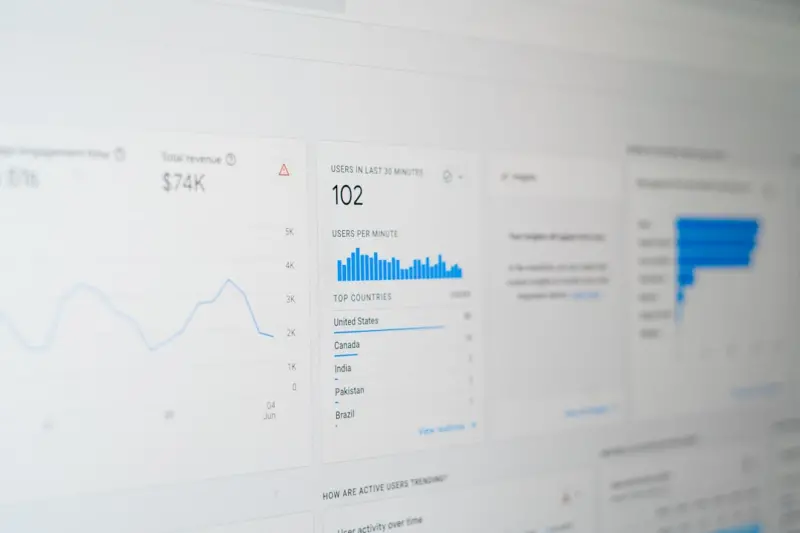
Hyperlocal SERP Mastery: Winning the 5‑Mile Radius Game
A fresh playbook reveals how hyperlocal SERP features, real‑time inventory feeds, and community‑... Read More

The Evolution of Local SEO: Strategies to Stay Ahead
Local SEO is rapidly evolving. Stay ahead with expert strategies on optimizing online presence, leve... Read More
Top Posts
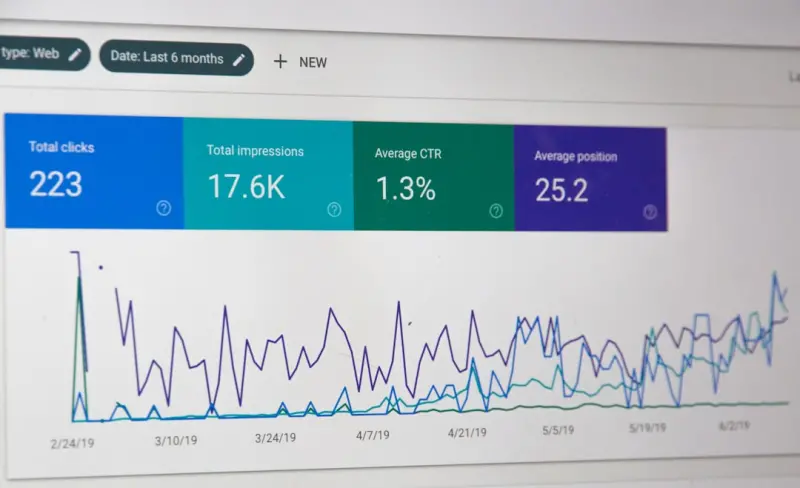
Zero‑Click SERP Features: A SaaS Playbook for Dominating Search Answers
Zero‑click SERP features such as featured snippets, knowledge panels, and People Also Ask are reshaping how SaaS brands get discovered. This guide explains wh...Read More

The Human‑Centric Shift Shaping Social Media Today
A deep dive into the human‑first reset of social media, revealing practical steps to foster authentic connections, measure real engagement, and turn followers...Read More

Beyond Likes: Mining Niche Social Platforms for SaaS Insight
Social media is more than a broadcast channel; it’s a hidden laboratory of real‑time customer feedback. By tapping into niche platforms like Discord, sub‑...Read More

The Untapped Power of Micro‑Influencers in SaaS Digital Marketing
Micro‑influencers offer SaaS companies a high‑engagement, trust‑based channel for acquisition and growth. This post explores why they matter, how to find ...Read More
0 Comments
Post Comment
You will need to Login or Register to comment on this post!