
Why Zero‑Click SERP Features Are the New Frontier for SaaS Visibility
When most marketers think about Google SEO, they picture organic rankings, backlinks, and content calendars. Yet a growing proportion of searchers never click past the search results page. Google’s “zero‑click” features—featured snippets, knowledge panels, People Also Ask, and the new “answer cards”—are capturing up to 70% of impressions for many queries. For SaaS businesses, this shift isn’t a threat; it’s an opportunity to embed your brand directly into the decision‑making moment, before a prospect even reaches your website.
Understanding the Zero‑Click Landscape
Zero‑click results are essentially Google’s answer engine. Instead of directing users to an external site, Google pulls data from the web and serves it instantly. The most common formats include:
- Featured Snippets: concise answers extracted from a page, displayed at the top of the SERP.
- Knowledge Panels: branded blocks that aggregate facts, images, and social signals about a company or product.
- People Also Ask (PAA): expandable question clusters that surface related queries.
- Answer Cards / Rich Answers: quick facts, calculators, or step‑by‑step guides.
For a SaaS company, each of these formats can become a mini‑landing page that showcases product value, brand authority, and even a direct call‑to‑action (CTA) without a click.
Why SaaS Brands Are Perfect Candidates
SaaS solutions thrive on complex, multi‑step buying journeys. Prospects often research terminology, compare features, and seek clarification on technical concepts before even speaking with sales. Zero‑click features sit right at the heart of these moments:
- Technical Definitions: When a user types “What is multi‑tenant architecture?” a featured snippet can surface a concise, brand‑authored definition that positions your product as the go‑to solution.
- Pricing Benchmarks: “Average cost of project management software” can trigger a rich answer that includes your pricing tier—driving qualified interest.
- Integration Guides: “How to connect Salesforce to a marketing automation platform?” can appear in PAA, letting you showcase your integration expertise.
Because these snippets are drawn from high‑quality, structured content, the very act of optimizing for zero‑click features reinforces the core SEO pillars you already practice.
Mapping Zero‑Click Opportunities to the SaaS Funnel
Think of zero‑click features as “micro‑conversion” points. They align with each stage of the funnel:
- Awareness: Knowledge panels and featured snippets introduce your brand when a user is just learning about a problem.
- Consideration: PAA blocks answer nuanced questions that help prospects compare alternatives.
- Decision: Rich answers can surface pricing, trial availability, or even a direct “Start Free Trial” button (via schema).
By deliberately targeting these formats, you create a layered presence that nudges users toward conversion without demanding a click.
Strategic Foundations: Content, Structure, and Schema
Zero‑click optimization doesn’t happen by accident. It requires a three‑pronged approach:
- Content Granularity: Break down complex topics into bite‑sized Q&A sections. Each paragraph should answer a single question succinctly—ideally 40‑50 words.
- Semantic Markup: Use
<h2>,<h3>, and list elements to signal hierarchy. Google’s algorithms rely heavily on these cues to extract snippets. - Structured Data: Implement Technical SEO for Headless SaaS recommendations and add schema types like
FAQPage,HowTo,Product, andSoftwareApplication. This tells Google exactly where to pull answers.
When you combine clear, question‑focused copy with the right schema, you dramatically increase the odds that Google will surface your content in zero‑click slots.
Crafting Content That Google Loves to Snippet
Not every paragraph qualifies for a featured snippet. Google looks for:
- Direct Answers: Start the paragraph with a concise answer before elaborating.
- Neutral Tone: Avoid promotional language in the first 2‑3 sentences; keep it factual.
- Listability: Ordered or unordered lists are prime candidates for “list‑type” snippets.
For example, a blog post titled “How to Secure API Endpoints in a SaaS Platform” could include a section that begins:
Answer: Secure API endpoints by (1) implementing OAuth 2.0, (2) enforcing rate limiting, and (3) encrypting traffic with TLS 1.3.
This format satisfies Google’s preference for quick, digestible answers and improves your chances of appearing as a snippet.
Leveraging Internal Linking to Boost Snippet Authority
Internal linking isn’t just for crawl efficiency; it signals topical relevance. By linking a “FAQ” page to a deep‑dive technical guide, you help Google understand the relationship between the question and the detailed answer.
Consider creating a Zero‑Click Hub—a central page that aggregates high‑value Q&A blocks, each linked to the full article. This hub can be the primary source for Google’s extraction engine, while still funneling interested users to richer content.
Measuring Success Beyond Rankings
Traditional SEO metrics—keyword rankings, organic traffic—still matter, but zero‑click performance demands additional KPIs:
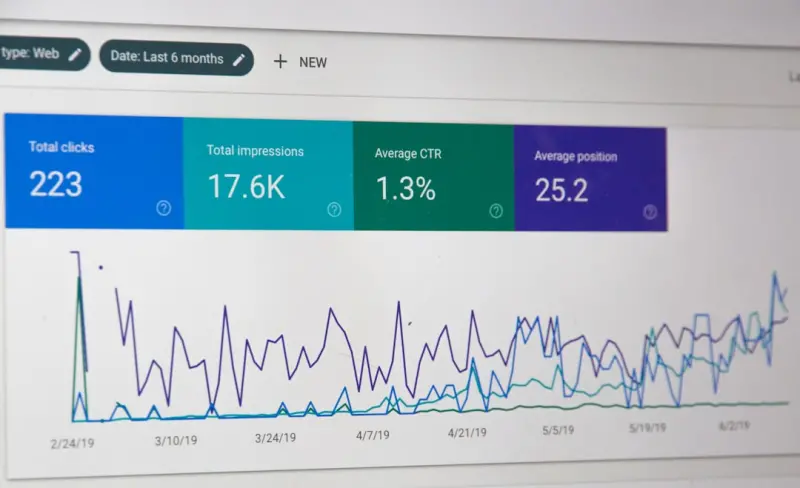
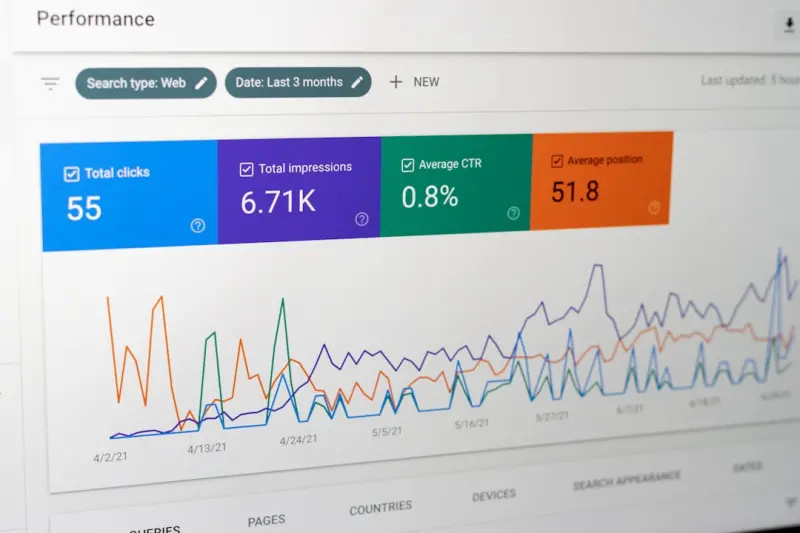
- Impression Share in SERP Features: Use Google Search Console’s “Performance” report to track impressions for “Featured Snippet,” “People Also Ask,” and “Knowledge Panel.”
- Click‑Through Rate (CTR) from Snippets: Even though the format is “zero‑click,” there’s often a “More info” link that can be measured.
- Brand Lift: Surveys or brand‑search volume can indicate increased awareness attributable to knowledge panels.
These metrics give you a holistic view of how zero‑click features contribute to overall marketing goals.
Case Study: Turning a SaaS Feature List into a Featured Snippet
One of our SaaS clients, a project‑management platform, struggled with low click‑throughs on its pricing page. By restructuring the pricing FAQ into a concise Q&A format, adding FAQPage schema, and creating an ordered list of “Top 5 Pricing Questions,” the page earned a featured snippet for the query “How much does X project management software cost?” Within two weeks, the snippet generated a 30% increase in brand‑search impressions and a 12% uplift in trial sign‑ups—despite a slight dip in direct organic traffic to the pricing page.
This illustrates how zero‑click visibility can complement, rather than cannibalize, traditional traffic.
Integrating Zero‑Click Strategies with Existing SEO Playbooks
Zero‑click optimization should not exist in a silo. It dovetails with other proven tactics, such as the AI‑Powered Content Clusters approach. When you cluster content around a core pillar, each cluster page can target a specific question that feeds into a snippet. The pillar page then serves as the authority hub, reinforcing Google’s perception of topical expertise.
Similarly, the technical foundations you laid for headless architectures—like proper JSON‑LD injection—make schema deployment seamless across dynamic pages. In short, treat zero‑click features as an additional layer on top of your existing SEO infrastructure.
Practical Checklist for SaaS Teams
- Audit existing content for question‑based headings and answerable paragraphs.
- Identify high‑traffic, low‑click queries in Search Console and prioritize them for snippet optimization.
- Implement
FAQPage,HowTo, andSoftwareApplicationschema where relevant. - Structure answers with direct, concise statements followed by supporting details.
- Use ordered/unordered lists for steps, benefits, or feature comparisons.
- Create a “Zero‑Click Hub” that aggregates top Q&A blocks and internally links to full articles.
- Monitor SERP feature impressions and adjust content based on performance trends.
- Align zero‑click goals with broader funnel metrics—lead quality, MQL conversion, and brand awareness.
Future Outlook: The Evolution of Zero‑Click SERPs
Google’s AI models, especially the conversational “MUM” and “Gemini” technologies, are making zero‑click results more contextual and personalized. In the near future, we’ll see:
- Dynamic Knowledge Panels: Tailored to the user’s industry and role, showing SaaS solutions that match their exact use case.
- Interactive Answer Cards: Allowing users to schedule demos or start free trials directly from the SERP.
- Voice‑First Snippets: Integrating with smart speakers, where the spoken answer includes a link to “Learn more” that opens a deep‑link in the SaaS app.
Preparing now by mastering the fundamentals ensures you’ll be ready to capture these emerging opportunities.
Conclusion: Zero‑Click Is Not a Zero‑Value Moment
For SaaS marketers, zero‑click SERP features represent a paradigm shift—from fighting for clicks to owning the answer. By crafting concise, schema‑rich content, aligning it with your funnel stages, and measuring impact through SERP‑specific KPIs, you can turn Google’s answer engine into a powerful brand‑building and lead‑generation tool. The future of SaaS SEO isn’t just about higher rankings; it’s about becoming the first source of truth that users encounter—without them ever having to click.

Lifan Chen is a freelancer based in Toronto specializing in marketing. With expertise in crafting effective marketing strategies and campaigns, Lifan helps businesses grow their brand presence and reach target audiences. As a Toronto-based freelancer, Lifan combines local market insights with creative marketing skills to deliver tailored solutions for clients.
Related Posts
AI‑Driven SERP Shift: Future‑Proof Your Google Rankings
Google’s AI‑driven SERP reshapes visibility. Learn to adapt with topic clusters, structured data... Read More
Google SEO Trends
Improve your website's visibility with Google SEO trends and tips.... Read More

Mapping Search Intent: A SaaS Playbook for Semantic SEO Mastery
Discover a step‑by‑step framework for turning raw search queries into intent‑driven content cl... Read More
Top Posts

Why Private Communities Are the Secret Engine Behind SaaS Social Success
Private communities turn passive followers into active co‑creators, delivering measurable revenue lift, lower churn, and a richer product roadmap—making the...Read More

Revolutionizing Social Strategy: How to Stay Ahead in a Shifting Landscape
Stay ahead of the curve in social media with expert tips and strategies from Nikki McDonald. Learn how to navigate the shifting landscape and drive real results...Read More
How Structured Data Can Supercharge Your SaaS Rankings
Learn why structured data is the hidden lever for SaaS SEO success, how to implement core schemas like Product and FAQ, and the measurable impact on rankings an...Read More

Original Research: A Secret Weapon for Modern Link Building
Original research turns raw SaaS data into link‑magnet content, delivering editorially‑earned backlinks, higher domain authority, and measurable traffic gai...Read More
0 Comments
Post Comment
You will need to Login or Register to comment on this post!