
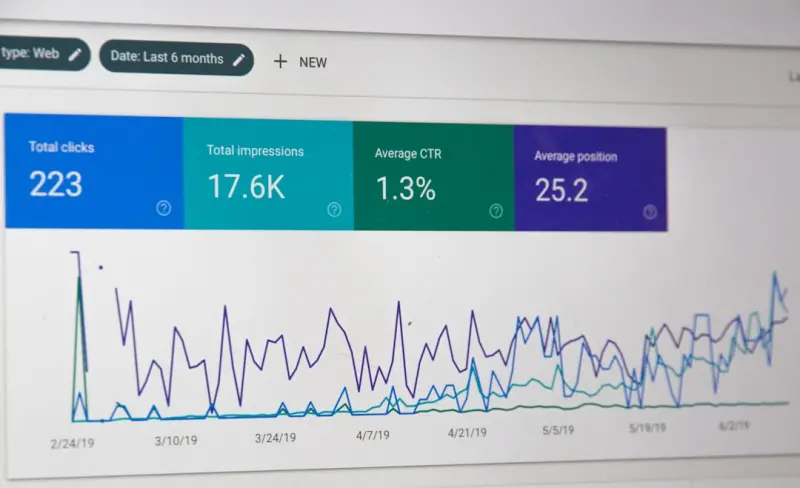
The Rise of AI‑Powered Content Clusters in SaaS SEO
When I first started tinkering with search engine optimization for SaaS products, the mantra was simple: produce more content, get more backlinks, rank higher. That approach still works, but the cost—both in time and resources—has become a bottleneck for many growing companies. Today, a new paradigm is taking hold: AI‑driven content clusters that let you scale authority, capture intent, and keep the editorial calendar humming without the usual burnout.
What Exactly Is a Content Cluster?
In the classic sense, a content cluster consists of a pillar page that covers a broad topic and a series of supporting articles that dive into sub‑topics, each linking back to the pillar. The structure signals to search engines that you have depth on a subject, helping the whole cluster rank higher.
What changes when you throw AI into the mix?
- Topic discovery at scale: AI can scan thousands of queries, forum threads, and competitor content to surface high‑volume, low‑competition sub‑topics you might never have thought of.
- Rapid draft generation: Large language models can produce first‑draft outlines or full articles in minutes, giving your writers a solid foundation to refine.
- Semantic optimization: Advanced AI tools understand the semantic relationships between entities, ensuring each piece of the cluster speaks the same language—exactly what Google’s NLP loves.
Why SaaS Companies Are Perfect Candidates
SaaS products naturally revolve around solving specific problems—think project management for remote teams or customer analytics for e‑commerce. Those problem statements translate directly into searchable queries. Moreover, SaaS firms often have a wealth of internal knowledge—product documentation, case studies, and support tickets—that can be repurposed into SEO‑friendly content.
But unlike a traditional blog, you can’t just throw endless articles at the wall and hope something sticks. Your audience expects depth, precision, and trust. AI‑powered clusters give you both breadth (lots of pages) and depth (highly relevant, expertly vetted content).
Step‑by‑Step Blueprint for Building AI Content Clusters
Below is a practical workflow that you can start implementing tomorrow.
1. Identify Core Business Themes
Begin with the high‑level problems your SaaS solves. For example, a CRM platform might focus on “lead nurturing,” “pipeline analytics,” and “sales automation.” These become your pillar topics.
2. Use AI to Mine Search Intent
Feed your pillar topics into an AI‑powered keyword research tool (or a custom LLM prompt). Ask it to return:
- Long‑tail queries (e.g., “how to set up automated lead scoring in SaaS CRM”).
- Related questions from forums like Reddit or Quora.
- Emerging trends (e.g., “AI‑driven lead enrichment”).
Prioritize the queries that have decent search volume but limited competition. These will become your supporting articles.
3. Draft Outlines with AI Assistance
For each supporting query, prompt an LLM to generate a detailed outline that includes:
- Header hierarchy (H2, H3, etc.).
- Suggested word count.
- Key data points or case studies you should include.
This outline becomes a living document that your content team can flesh out, add brand voice, and embed proprietary data.
4. Leverage Internal Knowledge Bases
One goldmine you might be overlooking is your customer success knowledge base. Many SaaS companies already have articles that solve user problems. Feed those into the AI as source material. The model can rewrite them for SEO while preserving accuracy. This step also ties into the concept of turning your API docs into SEO gold mines—another effective strategy we’ve discussed here.
5. Optimize for Semantic Relevance
When the first draft is ready, run it through a semantic analysis tool (or an AI model that can score semantic similarity). Ensure the supporting article naturally references the pillar topic, uses synonyms, and includes entity mentions (e.g., “customer acquisition cost,” “SaaS churn rate”). This reinforces the cluster’s internal relevance.
6. Interlink Strategically
Every supporting article should link back to its pillar with anchor text that reflects the broader query, and the pillar should link out to each supporting piece. Use descriptive, keyword‑rich anchor text, but keep it natural. Over‑optimizing can trigger Google’s spam filters.
7. Enrich with Structured Data
Adding schema markup helps search engines understand the hierarchy. For SaaS content, Article, FAQPage, and Product schemas are especially useful. Our guide on structured data for SaaS walks you through the implementation details.
8. Publish, Monitor, Iterate
After publishing, keep an eye on:
- Organic traffic spikes for the pillar and supporting pages.
- Engagement metrics (time on page, bounce rate).
- Backlink acquisition—high‑quality links often gravitate to well‑structured clusters.
Use the data to refine future AI prompts and identify gaps for new clusters.
Case Study: From Zero to Authority in 90 Days
One of our SaaS clients, a mid‑market project‑management platform, struggled to rank for “remote team collaboration tools.” They had a modest blog, but the traffic was flat.
- Define Pillar: “Remote Team Collaboration” became the pillar page.
- AI‑Generated Sub‑Topics: The model suggested 12 supporting queries, including “how to manage asynchronous communication in remote teams” and “best file‑sharing practices for distributed workforces.”
- Rapid Production: Using AI‑generated outlines, the editorial team produced the first drafts in under a week.
- Semantic Boost: Each article referenced the pillar with natural language and incorporated structured data for FAQs.
- Results: Within three months, the pillar page moved from page 12 to page 3 on Google for the target keyword, and the supporting articles collectively drove a 45% increase in organic sessions.
The key takeaway? The combination of AI speed and the cluster framework accelerated authority building without a massive increase in headcount.
Balancing AI Efficiency with Human Expertise
It’s tempting to let the AI run the whole show, but the most successful clusters blend machine speed with human nuance. Here’s how to strike the right balance:
- Fact‑Check Rigorously: AI can hallucinate. Verify data points against your product’s analytics or reputable sources.
- Inject Brand Voice: Adjust tone, style, and terminology to match your brand guidelines.
- Leverage Subject‑Matter Experts: Have product managers or customer success leads review drafts for technical accuracy.
This hybrid approach not only safeguards quality but also makes the content more engaging for your target audience.
Integrating Link‑Building into the Cluster Strategy
While AI creates the foundation, link building for SaaS remains essential for scaling authority. Here’s a concise plan:
- Identify High‑Value Assets: Your pillar page and top‑performing supporting articles serve as link‑bait.
- Outreach with Data: Offer industry benchmarks or original research extracted from your product usage data. This makes your outreach compelling.
- Guest Post Opportunities: Repurpose supporting articles as guest posts on niche publications, linking back to the pillar.
- Leverage Partnerships: Co‑author content with complementary SaaS providers, creating cross‑link opportunities that benefit both parties.
When you combine a robust internal cluster with a focused external link‑building campaign, the SEO lift can be exponential.
Future‑Proofing Your SEO with AI
Search engine algorithms continue to evolve toward understanding user intent and context rather than keyword matching alone. AI‑driven content clusters align perfectly with this shift because they:
- Capture the full breadth of a user’s question journey.
- Deliver semantically rich, topic‑focused content.
- Adapt quickly to emerging trends via real‑time AI query analysis.
As voice search and AI assistants become mainstream, the queries users speak will be longer and more conversational. Your clusters will already be primed to answer those multi‑part questions, giving you an edge in the upcoming search landscape.
Key Takeaways
- AI can accelerate every stage of content cluster creation, from topic discovery to drafting.
- Leverage existing SaaS assets—knowledge bases, case studies, API docs—to enrich clusters.
- Maintain human oversight to ensure factual accuracy and brand consistency.
- Integrate strategic link‑building to amplify the authority of your clusters.
- Continuously monitor performance and iterate based on data.
Getting Started Today
Pick a single pillar—maybe the most common pain point your customers voice. Run an AI prompt to generate 8–10 supporting queries. Draft outlines, assign them to writers, and set up the internal linking structure. Publish, watch the metrics, and refine. In a matter of weeks, you’ll have a scalable SEO engine that grows alongside your product roadmap.
Ready to turn your SaaS expertise into a searchable authority hub? The AI‑powered content cluster approach is the shortcut you’ve been waiting for—no more endless content churn, just focused, high‑impact pages that deliver traffic, leads, and long‑term brand trust.

Tom Ferguson is a Canadian freelance writer with a passion for storytelling, current events, and thoughtful commentary. Drawing on years of writing experience, he shares engaging insights on a wide range of topics, bringing a uniquely Canadian perspective to his work.
Related Posts

Why Structured Data Is the Secret Sauce Behind SaaS Search Success
Structured data lets SaaS firms speak directly to search engines, unlocking rich snippets, higher cl... Read More

Semantic Hubs: The Secret Sauce Behind SaaS SEO Dominance
Learn why building semantic content hubs—structured clusters of pillar and sub‑topic pages—off... Read More

Unlocking SaaS Growth with Structured Data: A Practical Schema Playbook
A step‑by‑step guide shows SaaS teams how to implement Product, Offer, FAQ, and HowTo schema, tu... Read More
Top Posts

The Evolution of Link Building: A Comprehensive Guide
Link building has undergone significant changes over the years. Learn about the evolution of link building, current trends, and what the future holds for this e...Read More
Micro‑Targeted Local SEO: Winning SaaS Customers One Zip Code at a Time
Discover a fresh approach to local SEO that focuses on zip‑code level targeting, creating hyper‑localized landing pages, leveraging geo‑reviews, and using...Read More

Zero‑Party Data: The Secret Sauce for Next‑Gen eCommerce Growth
Learn why zero‑party data is the new growth engine for eCommerce, how to collect it seamlessly, and turn insights into higher conversions and lasting customer...Read More

How Interactive Demos Can Supercharge Your SaaS SEO
Interactive tools like demos, calculators, and quizzes not only boost user engagement but also enhance SEO performance. Learn how to design, implement, and scal...Read More
0 Comments
Post Comment
You will need to Login or Register to comment on this post!