

Why Real User Monitoring Is the Missing Piece in Technical SEO
When I first dug into page‑speed metrics, I quickly realized that lab data only tells part of the story; it’s the real‑world experience that truly drives rankings. Real User Monitoring (RUM) captures that lived experience by collecting performance signals directly from visitors’ browsers, giving us a ground‑truth view of latency, interaction delays, and visual stability. As Google leans more heavily on Core Web Vitals, aligning RUM insights with SEO strategy becomes not just optional, but essential for staying competitive.
From Lab Scores to Live Signals: Bridging the Gap
Traditional tools like Lighthouse or PageSpeed Insights simulate ideal network conditions, but they can’t predict how a user on a 3G connection in a rural area perceives your site. By leveraging RUM, you obtain metrics such as First Input Delay (FID), Largest Contentful Paint (LCP), and Cumulative Layout Shift (CLS) as they happen in the wild, allowing you to prioritize fixes that matter to actual visitors. This shift from synthetic to empirical data transforms technical audits from guesswork into precise, data‑driven roadmaps.
Collecting RUM Data Without Overwhelming Your Stack
Implementing RUM starts with a lightweight JavaScript snippet that reports key performance events back to your analytics platform or a dedicated endpoint. Modern browsers already support the PerformanceObserver API, which streams metrics like paintTiming and eventTiming without adding perceptible overhead. To keep data manageable, filter out bot traffic, aggregate by device type, and sample a representative percentage of sessions—this balances insight depth with performance hygiene.
Turning Raw Numbers Into SEO Action Items
The true power of RUM lies in translating raw numbers into concrete technical SEO improvements. For instance, if you notice a consistent spike in LCP on pages served from a particular CDN edge node, you can investigate cache‑miss patterns or image optimization gaps. Similarly, elevated CLS on mobile devices often signals unstable ad placements or dynamic content injections that need re‑engineering. By mapping RUM anomalies to specific URLs, you create a prioritized backlog that aligns directly with ranking potential.
Integrating RUM with Existing Technical Audits
RUM should complement, not replace, other diagnostic tools. When you combine log file analysis with real‑user data, you gain a 360° view of crawl efficiency and user experience. Log files reveal how Googlebot navigates your site, while RUM shows how humans perceive those same pages; discrepancies can highlight crawl budget misallocations or content delivery bottlenecks that need immediate attention.
Prioritizing Fixes Using a Weighted Scoring Model
To avoid endless cycles of tweaking, I employ a weighted scoring model that factors in RUM severity, traffic volume, and conversion impact. Each page receives a composite score that surfaces the highest‑value opportunities—pages with high traffic, poor LCP, and strong conversion rates rise to the top of the queue. This method ensures that your engineering resources target the changes most likely to boost both rankings and revenue.
Measuring SEO Lift After RUM‑Driven Changes
Post‑implementation, it’s crucial to monitor both performance metrics and SERP movements. Set up a baseline of Core Web Vitals before changes, then track improvements over a 30‑day window to account for data stabilization. Correlate those gains with organic traffic trends, keyword position shifts, and click‑through rates to validate the SEO impact. A clear before‑and‑after narrative not only justifies the effort but also builds momentum for further technical investments.
Future‑Proofing Your Site with RUM‑First Architecture
Looking ahead, the next wave of SEO will reward sites that bake RUM into their development lifecycle. By integrating performance budgets into CI/CD pipelines and automating alerts when RUM thresholds slip, teams can proactively defend against regressions. This proactive stance aligns with Google’s evolving emphasis on user‑centric signals, turning RUM from a diagnostic afterthought into a strategic pillar of technical SEO excellence.
Getting Started: A Practical First‑Step Checklist
Ready to harness RUM for SEO gains? Begin by deploying a vetted RUM script on a high‑traffic segment of your site, configure sampling to 10‑15% to balance load, and set up dashboards that surface LCP, FID, and CLS by device and geography. Next, cross‑reference those insights with your hidden ranking signals audit to spot mismatches. Finally, prioritize the top three pages with the worst combined scores, implement targeted fixes, and schedule a follow‑up review after two weeks. This focused approach delivers quick wins while laying the groundwork for a robust, RUM‑driven SEO program.

Brandy Miller is a dynamic freelance writer based in the vibrant city of Cambridge, Ontario. With a passion for storytelling that knows no bounds, she crafts compelling narratives that captivate and inspire. Brandy’s love for writing shines through in her versatile work, whether she’s penning thought-provoking articles or engaging content that resonates with readers. Her unique perspective and friendly tone make her a sought-after voice in the writing community. When she’s not weaving words together, you can find her exploring the beautiful landscapes of Ontario, always seeking new adventures and inspiration for her next piece. Brandy is not just a writer; she’s a creative force, making her mark one word at a time.
Related Posts

Crawl Budget Mastery: How SaaS Companies Can Make Search Engines Work Smarter
A deep dive into crawl budget for SaaS sites, covering audits, URL cleanup, sitemap strategy, perfor... Read More

The Importance of Technical SEO in 2024: A Comprehensive Guide
Learn why technical SEO is crucial for businesses and how to optimize your website's technical aspec... Read More

Edge CDN Strategies: A Technical SEO Playbook for SaaS
A deep dive into edge CDN strategies, cache‑control headers, and log‑file analysis that SaaS tea... Read More
Top Posts
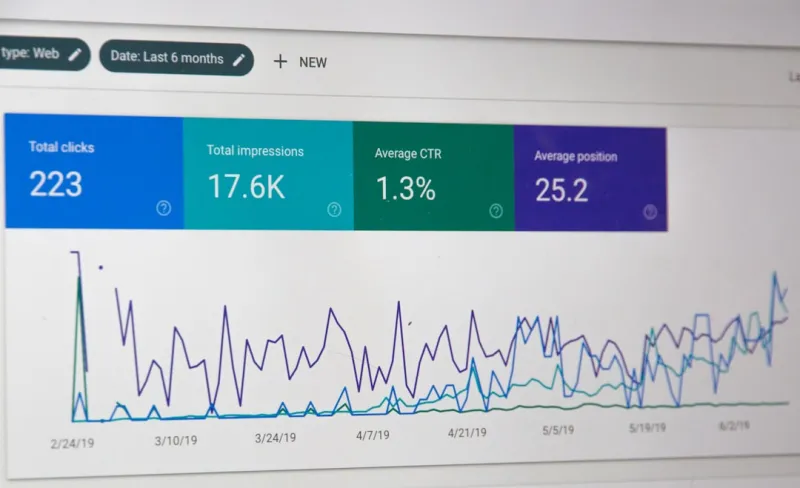
SERPs Optimization: A Guide to Improving Your Online Visibility
Improve your online visibility with our guide to SERPs optimization. Learn how to optimize your content for better visibility and drive more traffic to your pla...Read More

Why Empathy Is the Secret Sauce in Modern Social Strategy
Learn why listening with empathy, building authentic communities, and integrating SEO are the keys to a thriving, future‑proof social strategy....Read More
Server Log Secrets: Decoding Crawl Data for Technical SEO Mastery
Discover how server log analysis can reveal hidden crawl issues, prioritize fixes, and future‑proof your site’s technical SEO, turning raw data into ranking...Read More

User‑Generated Content: The Secret Growth Lever B2B SaaS Marketers Overlook
User‑generated content isn’t just for consumer brands. This post shows why B2B SaaS marketers should harness authentic customer videos, screenshots, and com...Read More
0 Comments
Post Comment
You will need to Login or Register to comment on this post!